The Battle of Thermopylae was an important battle during the Greco-Persian Wars. It took place in 480 BCE at Thermopylae, a narrow mountain pass in central Greece. A pass is a tight route between mountains. Greek forces tried to stop the Persian army from moving south into Greece. The Persian Empire was ruled by King Xerxes I. The battle is known because a small Greek force held the pass for several days against a much larger army.
The Greek force was led by Leonidas I, the king of Sparta. The army included about 300 Spartan soldiers and several thousand allies from other Greek city-states, such as Thespiae and Thebes. Sparta was known for its strong military system. Spartan soldiers were trained from a young age. They fought as hoplites, which were heavily armed foot soldiers with shields and spears.
The Persian army was much larger and included soldiers from many parts of the empire. The Persians used different weapons and styles of fighting. At Thermopylae, the narrow land helped the Greeks. It limited how many Persian soldiers could attack at once. For two days, the Greeks held their position and pushed back repeated Persian attacks.
The battle changed when a Greek man named Ephialtes showed the Persians a hidden mountain path. This path allowed Persian soldiers to move behind the Greek forces. When Leonidas learned this, he sent most of the Greek allies away. He stayed with his Spartans and a small number of other soldiers to delay the Persians.
On the final day, the remaining Greek soldiers fought until they were surrounded. Leonidas was killed in the fighting. The Persians eventually won the battle and continued their march into Greece. Although the Greeks lost the battle, their defense slowed the Persian advance and gave other Greek cities time to prepare.
The Battle of Thermopylae became a famous example of how geography and planning affect battles. It is remembered as part of the wider war that included later battles such as the Battle of Salamis and the Battle of Plataea. These events together shaped the course of the Greco-Persian Wars.
Battle of Thermopylae
Level
readlittle.com
Greek defense at a narrow mountain pass
What We Can Learn
- The battle was fought in 480 BCE at a narrow pass.
- King Leonidas I led the Greek defense.
- The Persians won after finding a hidden path.
- The battle delayed the Persian invasion of Greece.
Related Reads
Pytheas
Greek explorer of the far north
Herodotus
Ancient Greek writer of early history
Homer
Ancient Greek epic poet
Alexander the Great
King and conqueror of the ancient world
Battle of the Somme
Major World War I battle
Battle of Verdun
Longest battle of World War I
Battle of Marathon
Ancient battle between Greece and Persia

Greek mythology
Stories of gods and heroes
Zeus
King of the Greek gods
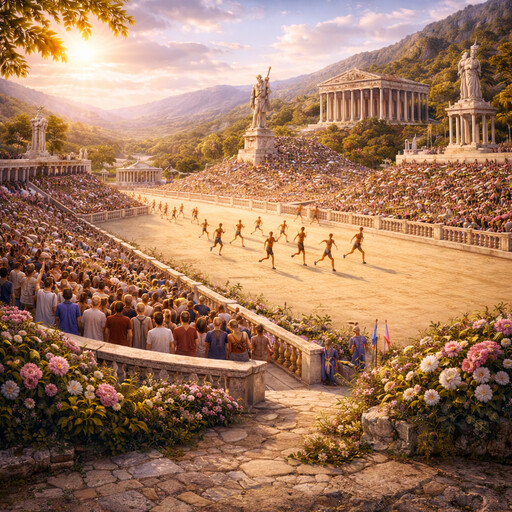
Ancient Olympic Games
Athletic contests of ancient Greece
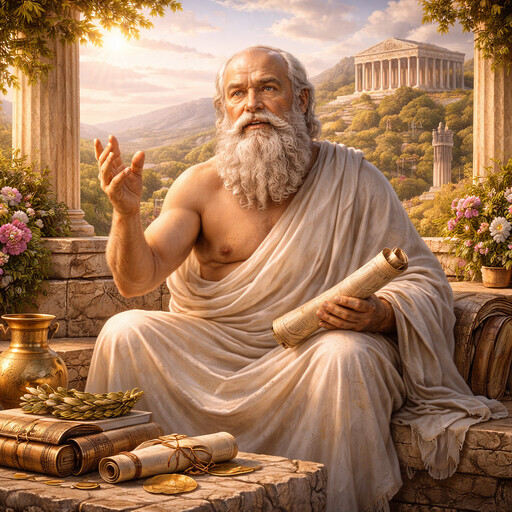
Socrates
A thinker of ancient Athens
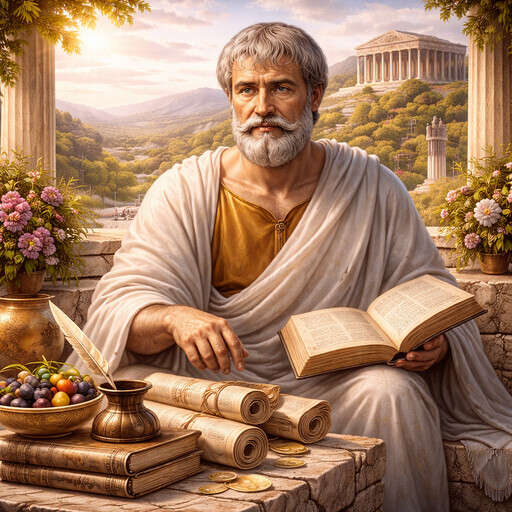
Aristotle
A thinker of ancient Greece