The Battle of the Somme was one of the largest and longest battles of World War I. It was fought between July 1 and November 18, 1916, in northern France, near the Somme River. The main fighting was between the armies of the British Empire and France on one side, and Germany on the other. The battle took place on the Western Front, which was the main line of fighting in Western Europe.
The battle was planned by the British and French leaders. One main goal was to reduce pressure on the French army at the Battle of Verdun, where German forces were attacking. Another goal was to break through German defenses. These defenses included deep trenches, barbed wire, and machine gun positions. A trench is a long ditch dug in the ground for soldiers to hide and fight from.
The battle began on July 1, 1916, after a long artillery bombardment. Artillery refers to large guns that fire shells over long distances. British commanders believed the bombardment had destroyed German defenses. When soldiers went over the top of their trenches and advanced, many German positions were still active. On the first day alone, the British army suffered very heavy losses.
As the battle continued through the summer and autumn, fighting followed a repeated pattern. Armies attacked, gained small areas of land, and then faced strong counterattacks. Conditions were very difficult. Soldiers lived in muddy trenches, faced bad weather, and had limited food and supplies. New weapons were also used. In September 1916, tanks were used in battle for the first time. Tanks are armored vehicles designed to cross rough ground and resist gunfire.
The French army also took part in the battle, mainly in the southern area. French forces achieved more success than British forces at first, due in part to different tactics and equipment. However, progress was slow for all sides. The front line moved only a short distance after months of fighting.
When the battle ended in November 1916, neither side had achieved a clear victory. The battle caused very large numbers of casualties, meaning soldiers who were killed, wounded, or missing. The Battle of the Somme became known as one of the bloodiest battles in history. It showed the difficulty of attacking well-defended positions during World War I.
Battle of the Somme
Level
readlittle.com
Major World War I battle
What We Can Learn
- The battle was fought in 1916 during World War I.
- It took place near the Somme River in France.
- Trench warfare played a major role.
- The battle caused very heavy casualties.
Related Reads

Fritz Haber
German chemist of the early 1900s
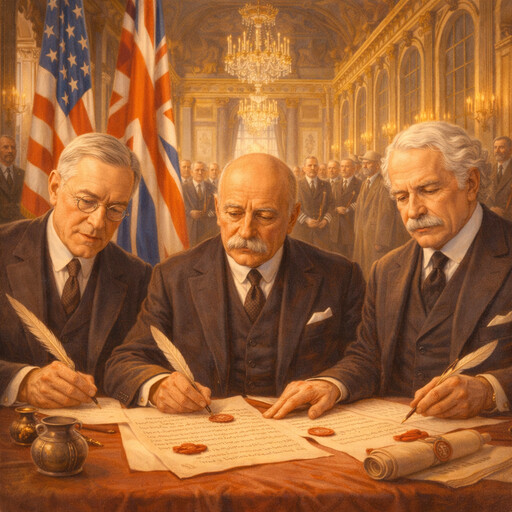
Treaty of Versailles
Peace agreement ending World War I
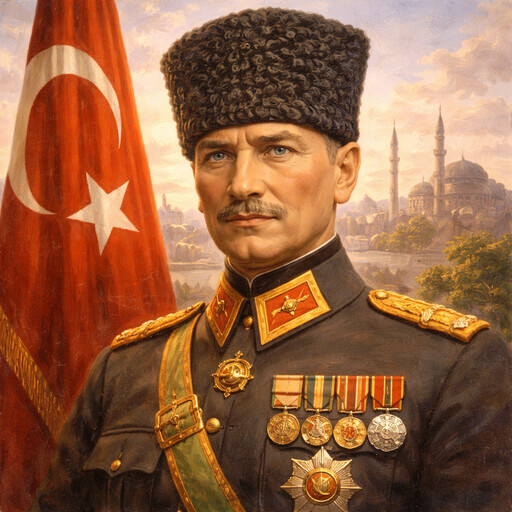
Mustafa Kemal Atatürk
Founder of modern Turkey
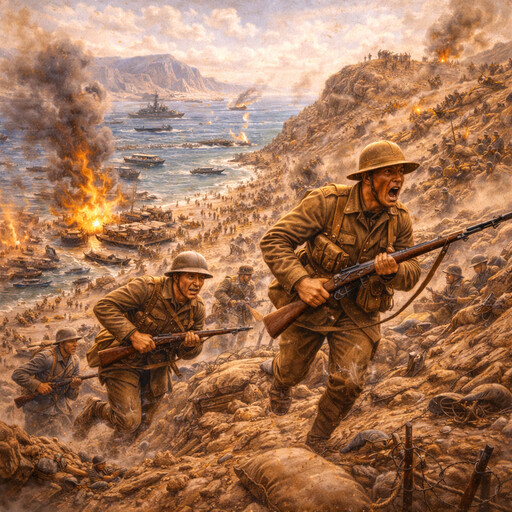
Gallipoli campaign
World War I campaign in Turkey

Zeppelin
Large rigid airship for flight

David Lloyd George
British prime minister during World War I
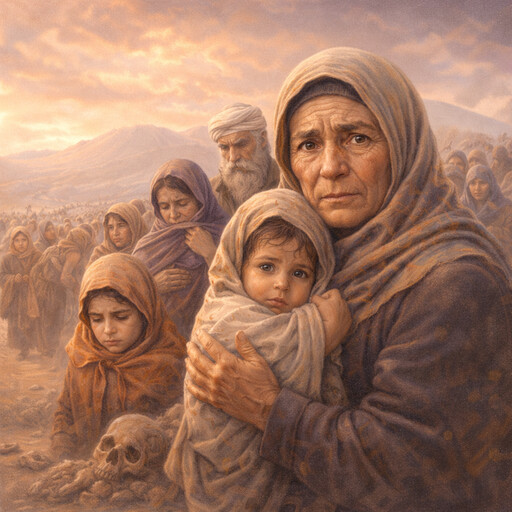
Armenian genocide
Mass killing of Armenians during World War I
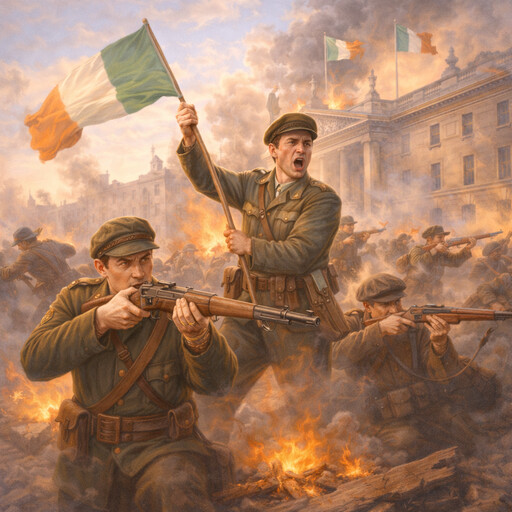
Easter Rising
Irish uprising in Dublin, 1916

Georges Clemenceau
French leader during World War I
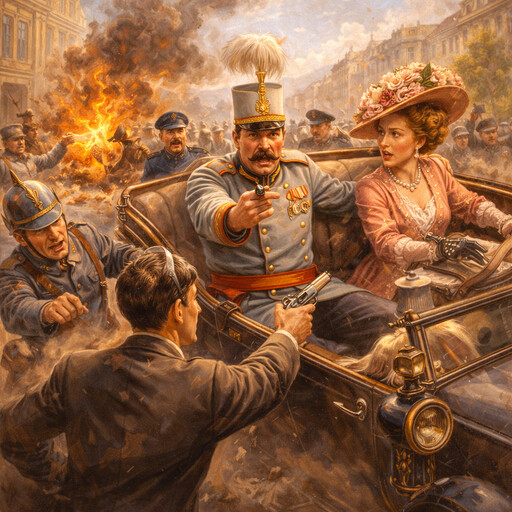
July Crisis
Diplomatic crisis before World War I
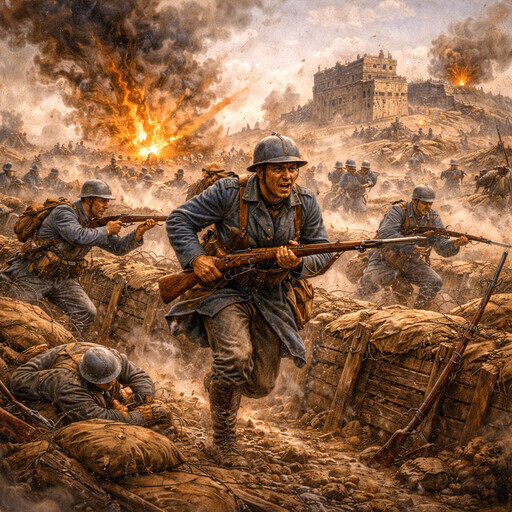
Battle of Verdun
Longest battle of World War I

Weimar Republic
Germany’s republic after World War I