The Battle of Verdun was one of the longest and most intense battles of World War I. It was fought from February 21 to December 18, 1916, near the city of Verdun in northeastern France. The main fighting was between the German army and the French army. Verdun was an important defensive area for France, with many forts built to protect the region.
The German plan was to attack Verdun and force the French army into a long and exhausting fight. German leaders believed that France would defend Verdun at any cost. Their goal was not only to capture land, but to wear down the French army by constant attacks. This type of strategy is sometimes called a war of attrition, which means trying to weaken the enemy by causing steady losses over time.
The battle began with a massive artillery attack by German forces. Artillery refers to large guns that fire shells over long distances. German shells damaged forts, trenches, and villages. French soldiers defended their positions under heavy fire. One important road, later called the Sacred Way, was used to bring food, weapons, and new soldiers to the front. This road helped France continue fighting.
Fighting at Verdun was very close and violent. Soldiers fought for control of forts, hills, and trenches. Conditions were extremely difficult. Trenches filled with mud and water. Smoke and dust from explosions filled the air. Many soldiers spent long periods under fire. Fort Douaumont and Fort Vaux were two key forts that changed control during the battle.
The French army was led by General Philippe Pétain during the early stages. He organized the defense and helped keep French forces supplied. The German army continued attacks for months, but made only limited progress. Both sides suffered heavy casualties. Casualties include soldiers who were killed, wounded, or missing.
When the battle ended in December 1916, the front line was close to where it had started. Neither side achieved a clear victory. The Battle of Verdun became a symbol of the extreme cost of trench warfare in World War I. It showed how modern weapons could cause long battles with little movement and very high losses.
Battle of Verdun
Level
readlittle.com
Longest battle of World War I
What We Can Learn
- The battle was fought in 1916 during World War I.
- It took place near Verdun in northeastern France.
- Artillery and trench warfare were central features.
- The battle caused very high casualties with little change in territory.
Related Reads

Fritz Haber
German chemist of the early 1900s
Treaty of Versailles
Peace agreement ending World War I
Mustafa Kemal Atatürk
Founder of modern Turkey
Gallipoli campaign
World War I campaign in Turkey

Zeppelin
Large rigid airship for flight

David Lloyd George
British prime minister during World War I
Armenian genocide
Mass killing of Armenians during World War I
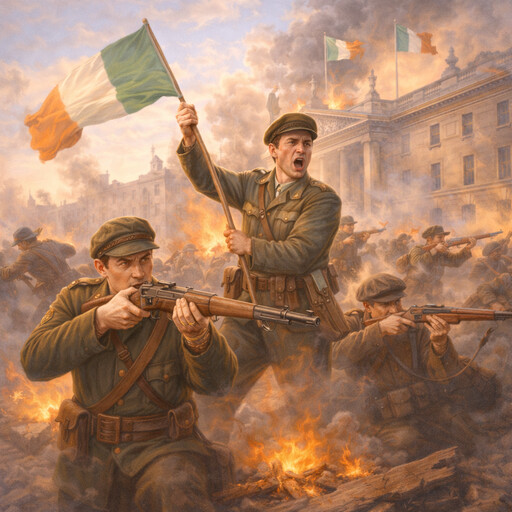
Easter Rising
Irish uprising in Dublin, 1916
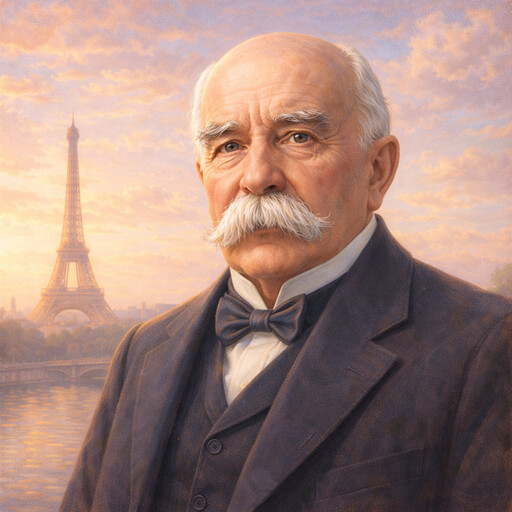
Georges Clemenceau
French leader during World War I
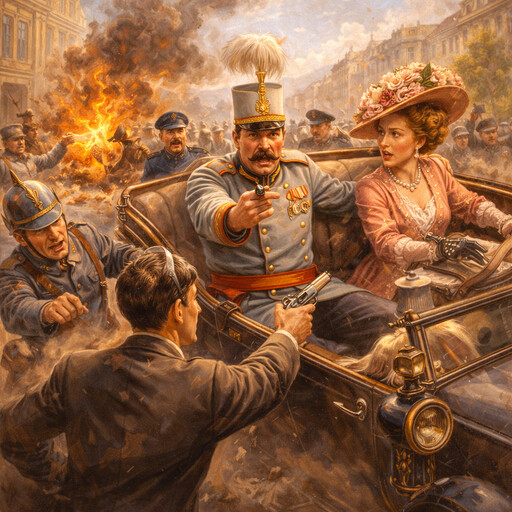
July Crisis
Diplomatic crisis before World War I
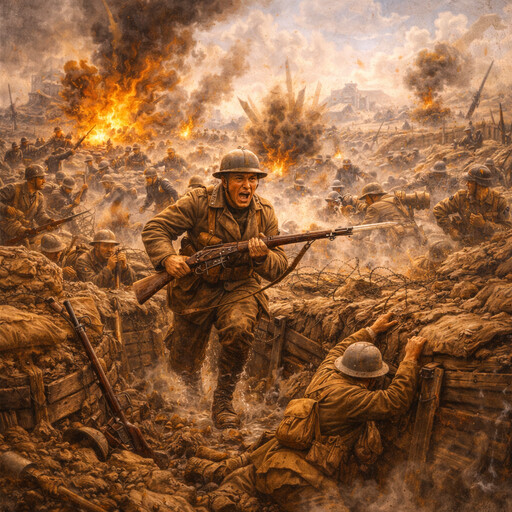
Battle of the Somme
Major World War I battle

Weimar Republic
Germany’s republic after World War I