A syllable is a part of a word that contains a single vowel sound and may include surrounding consonants. It acts like a small 'beat' or sound unit that helps us say words smoothly. For example, the word water has two syllables: wa and ter. You can often feel each syllable when you clap your hands as you say the word aloud.
Every syllable has one main vowel sound. Sometimes a word can have just one syllable, like dog or sky, while others can have many, like elephant (three) or beautiful (three). When people learn to read, breaking words into syllables helps them read and spell more easily.
Syllables can be stressed or unstressed. A stressed syllable is said more strongly than others in a word. In the word banana, the second syllable na is stressed, so we say ba-NA-na. Stress patterns can change how a word sounds and are important in poetry, songs, and speech rhythm.
The number and type of syllables in words also help people who study languages, called linguists, understand how words are formed and spoken in different languages. Some languages, like Japanese, have very regular syllable patterns, while others, like English, are more flexible.
Learning about syllables is also useful in writing and speaking. It helps with pronunciation, spelling, and rhythm. Poets often count syllables to create lines that sound balanced or musical, such as in a haiku, which has 17 syllables arranged in three lines (5–7–5).
Syllable
Level
readlittle.com
The beats that make up words
What We Can Learn
- A syllable is a single unit of sound in a word.
- Each syllable usually contains one vowel sound.
- Some syllables are stressed more than others when we speak.
- Knowing syllables helps with reading, spelling, and rhythm in language.
Related Reads

Johann Gottfried Herder
German thinker of culture and language
Tongue
Muscle organ for taste and speech

Arabic
Language of the Arab world
Celts
Ancient peoples of Europe
Ireland
Island nation with rich landscape
Roman Britain
Britain under Roman rule
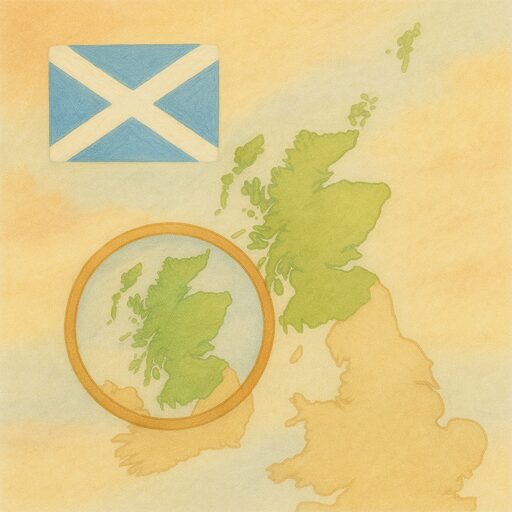
Scotland
Northern nation of hills and history

Wales
Western nation with mountains and culture
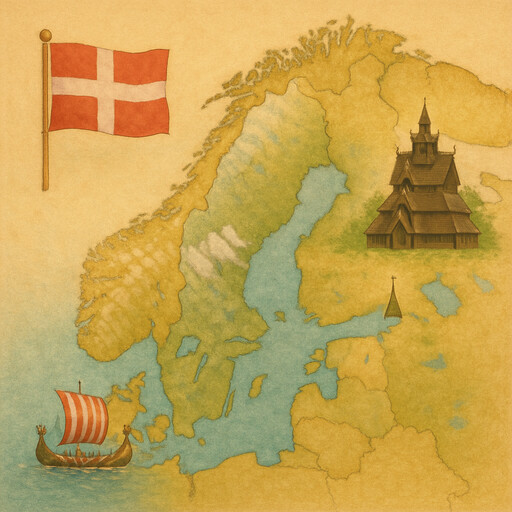
Scandinavia
Northern region of Europe
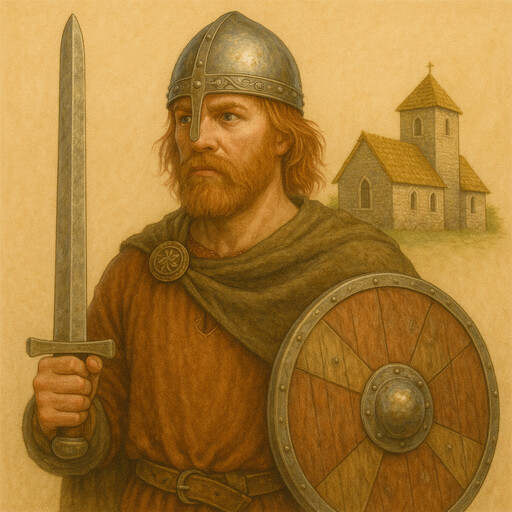
Anglo-Saxons
Early peoples of England
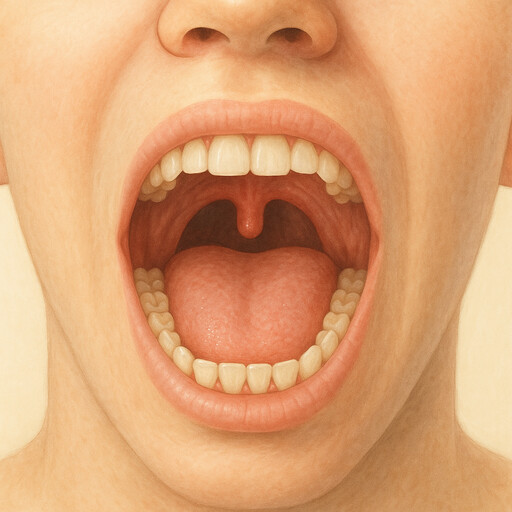
Mouth
Entry chamber of digestion and speech
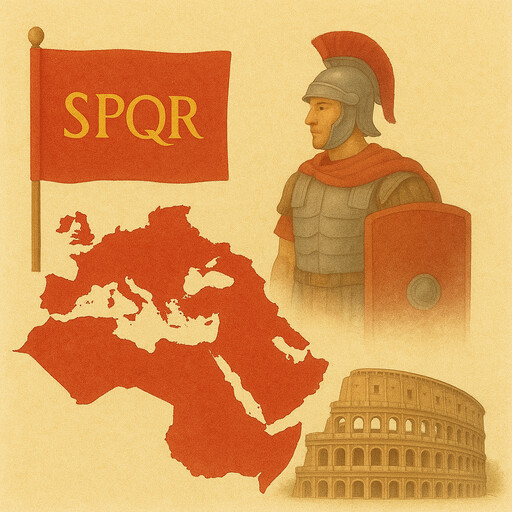
Roman Empire
An ancient empire that shaped Europe and beyond