Roman Britain was the period when the Roman Empire controlled large parts of the island of Britain. An empire is a group of lands ruled by one leader or government. Rome first came to Britain in 43 CE, when Roman soldiers crossed the sea from Europe. Over time, they built forts, roads, and towns to help control the land.
Before the Romans arrived, many groups of people lived in Britain. These groups are often called Celtic tribes. A tribe is a group of families connected by shared culture and leadership. Tribes lived in villages, traded goods, and sometimes fought each other. When the Romans came, some tribes resisted, while others made agreements with Roman leaders. Roman soldiers built strong forts to defend their positions.
The Romans built new towns in Britain. A town is a place with many homes, markets, and public buildings. Roman towns often had stone houses, meeting spaces, baths, and straight roads. A bath was a place where people washed and relaxed in warm water. Roman roads helped soldiers move quickly across Britain and made trade easier. Trade is the buying and selling of goods, such as metal, pottery, or food. Romans also introduced new farming tools and building methods.
One famous part of Roman Britain is Hadrian's Wall. A wall is a long structure built to mark a border or provide defense. Hadrian's Wall stretched across the northern part of Britain. It helped protect Roman lands from northern tribes. Soldiers lived in forts along the wall and watched for danger. Today, parts of the wall still remain and show how Romans protected their frontier.
Life in Roman Britain mixed Roman and local traditions. Many people learned Latin, the Roman language. Latin later became the base for many modern European languages. Some local gods were combined with Roman gods, and new religious sites appeared. A religious site is a place used for prayer or ceremony. People also used Roman coins and pottery in daily life. At the same time, many villages continued older ways of living.
Roman rule in Britain lasted for almost 400 years. In the early 400s, Roman leaders withdrew their armies because problems were growing in other parts of the empire. Withdraw means to pull back or leave. After the Romans left, Britain changed again as new groups arrived from northern Europe. Even so, Roman Britain left lasting marks on the land, including roads, towns, and ideas about government and building that shaped later history.
Roman Britain
Level
readlittle.com
Britain under Roman rule
What We Can Learn
- Roman Britain began when Rome took control of parts of Britain in 43 CE.
- Romans built towns, roads, forts, and farms that changed daily life.
- Hadrian’s Wall marked the northern border of Roman control.
- Roman rule ended in the early 400s but left long-lasting influences.
Related Reads

Johann Gottfried Herder
German thinker of culture and language

Peter the Great
Russian ruler who reshaped his country
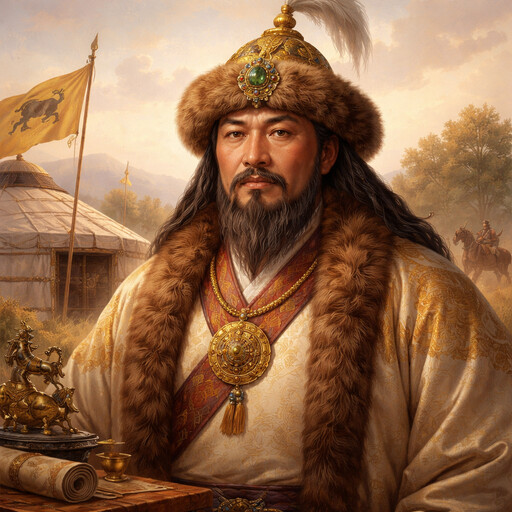
Ögedei Khan
Second ruler of the Mongol Empire
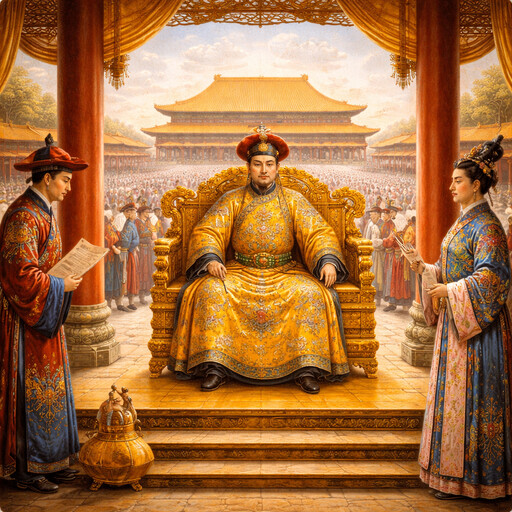
Qing dynasty
Last imperial dynasty of China
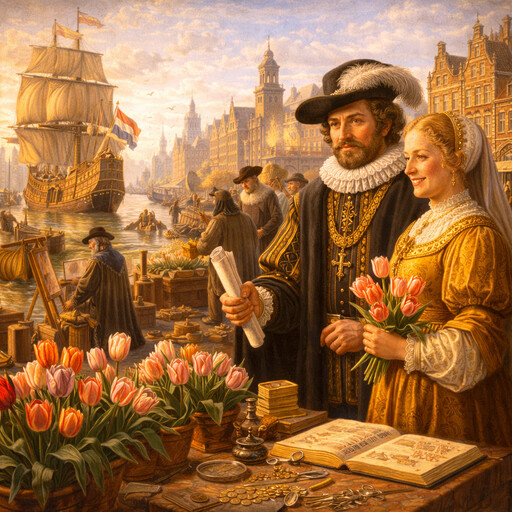
Dutch Golden Age
Period of Dutch global growth
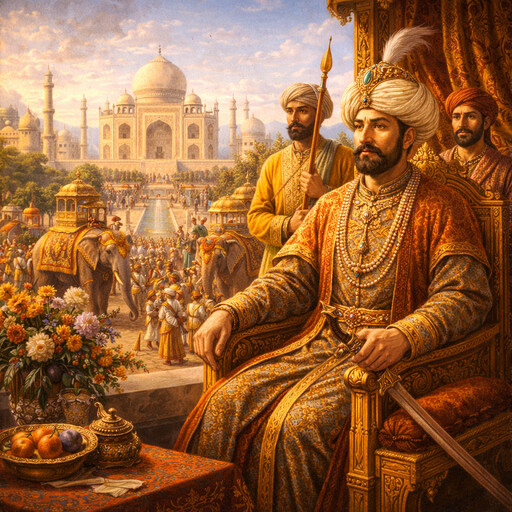
Mughal Empire
Powerful empire in South Asia
East India Company
British trading company that ruled India
Dutch East India Company
Powerful trading company of the Netherlands
Aztecs
A powerful civilization of ancient Mexico
Alexander the Great
King and conqueror of the ancient world
Russian Empire
Large empire ruled by Russian monarchs

Capitalism
Economic system based on private ownership