Scandinavia is a region in northern Europe. A region is a large area that is grouped together because of shared features, such as land, language, or history. Scandinavia usually includes the countries of Norway, Sweden, and Denmark. These countries share similar cultures and languages and have been connected for thousands of years. People often think of Scandinavia as a place with forests, mountains, and long coastlines.
The landscape of Scandinavia is shaped by natural forces. Norway has steep mountains and deep sea inlets called fjords. A fjord is a long, narrow body of water between high cliffs. Sweden has many lakes and forests, while Denmark is made up of flat lands and many islands. The climate in Scandinavia can be cold in winter, especially in the northern parts, but summers are usually mild. These natural features have influenced how people live, farm, and travel in the region.
People have lived in Scandinavia since ancient times. Long ago, small groups of farmers, fishers, and hunters lived across the land. Around the early Middle Ages, the Vikings became well known for their travel and exploration. Vikings from Norway, Sweden, and Denmark sailed across seas to trade, explore, and sometimes settle in new areas. Viking culture, stories, and craftwork are still studied today as an important part of Scandinavian history.
Modern Scandinavia is made up of three separate countries, each with its own government. However, the countries share many traditions. For example, their languages are closely related and belong to the same language family. This means someone from Norway can often understand someone from Denmark or Sweden. The countries also work together on issues like trade, education, and the environment, helping maintain strong connections between them.
Daily life in Scandinavia includes a mix of old traditions and modern ways of living. Many people enjoy outdoor activities such as hiking, skiing, and boating, because nature is so close to towns and cities. Scandinavian design is known for simple shapes, natural materials, and practical use. Music, stories, and celebrations also play an important part in culture, and many holidays are connected to the seasons of the year.
Today, Scandinavia is known for safe cities, high levels of education, and strong social systems. People in the region value fairness and cooperation, and these ideas influence their work, schools, and government. Although each country is different, the shared history and culture of Scandinavia continue to shape the identity of the region and the people who live there.
Scandinavia
Level
readlittle.com
Northern region of Europe
What We Can Learn
- Scandinavia includes the countries of Norway, Sweden, and Denmark.
- The region has mountains, forests, lakes, and long coastlines.
- Vikings from Scandinavia traveled widely to trade and explore.
- The countries share languages, history, and cultural traditions.
Related Reads

Johann Gottfried Herder
German thinker of culture and language
No image
Monarchy
Government ruled by a royal family
Ming dynasty
Chinese dynasty from 1368 to 1644
Conquistador
Spanish explorers and soldiers of empire
Herodotus
Ancient Greek writer of early history
Balkans
Southeastern European region

La Marseillaise
National anthem of France

Maximilien Robespierre
Leader during the French Revolution
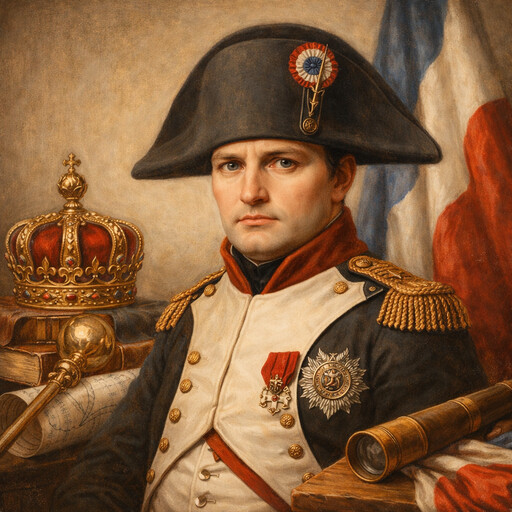
Napoleon
French general and emperor

Voltaire
French writer of the Enlightenment
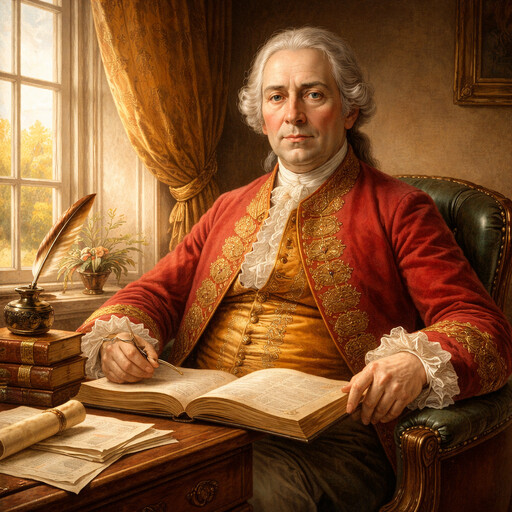
David Hume
Scottish philosopher and historian
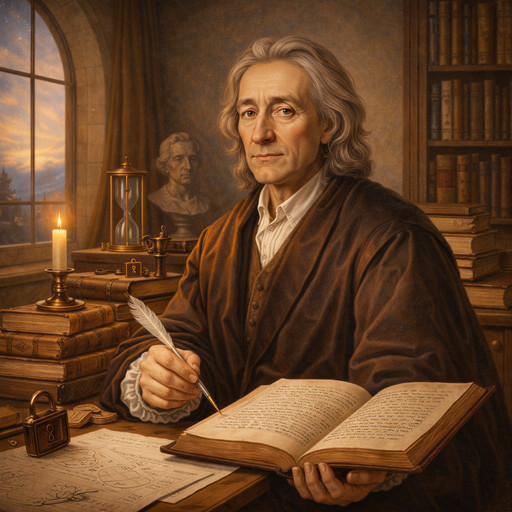
John Locke
Thinker who wrote about mind and government