Thyroid gland wraps around the trachea just below the larynx, with two lobes connected by a thin isthmus. Follicular cells inside the gland absorb iodine from the bloodstream and build the hormones thyroxine (T4) and triiodothyronine (T3), which influence how quickly cells burn fuel, produce proteins, and generate heat.
The pituitary gland releases thyroid-stimulating hormone (TSH) to regulate production. When circulating T3 and T4 levels drop, TSH rises, prompting the thyroid to work harder; when levels rise, TSH falls, creating a feedback loop that maintains stability. Iodine from seafood, dairy, and iodized salt is essential for this process.
Thyroid hormones shape growth and brain development in infancy, support heart rate, digestion, and muscle function in adulthood, and help the body adapt to cold by boosting metabolism. Thyroid cells also make calcitonin, a hormone that helps regulate calcium levels by signaling bones to store more mineral when blood calcium rises.
Disorders occur when the gland produces too little or too much hormone. Hypothyroidism can cause fatigue, weight gain, and cold intolerance, often due to autoimmune Hashimoto's disease or iodine deficiency. Hyperthyroidism, frequently caused by Graves' disease, speeds metabolism, leading to weight loss, nervousness, and rapid heart rate. Goiters, nodules, or cancer may also develop within the thyroid tissue.
Doctors evaluate thyroid health with blood tests for TSH and hormone levels, ultrasound imaging, and sometimes radioactive iodine uptake scans. Treatments include medication to replace hormones, antithyroid drugs, radioactive iodine to shrink overactive tissue, or surgery. Maintaining adequate iodine intake and monitoring for family history of thyroid disorders help keep this metabolic conductor in tune.
Thyroid gland
Level
readlittle.com
Butterfly-shaped regulator of metabolism
What We Can Learn
- The thyroid uses iodine to produce hormones T3 and T4 that control metabolism
- Pituitary TSH creates a feedback loop that keeps hormone levels balanced
- Thyroid hormones influence growth, temperature, and organ function
- Blood tests, imaging, and medication manage hypo- or hyperthyroid conditions
Related Reads
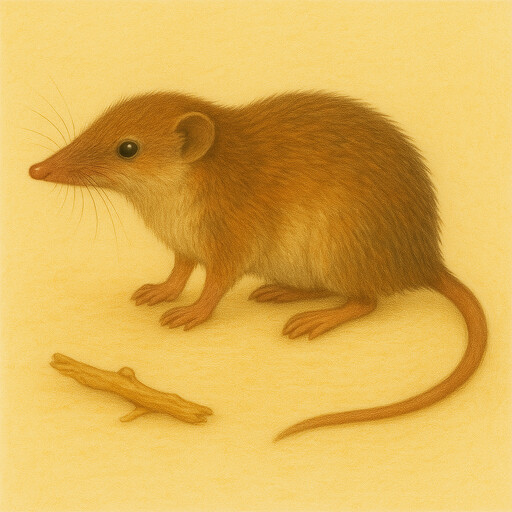
Shrew
Tiny insectivores with turbo metabolisms
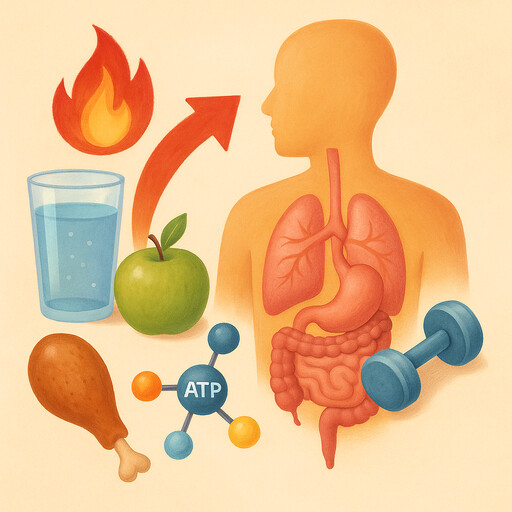
Metabolism
How living things use energy

Pet
Animal companions in human homes
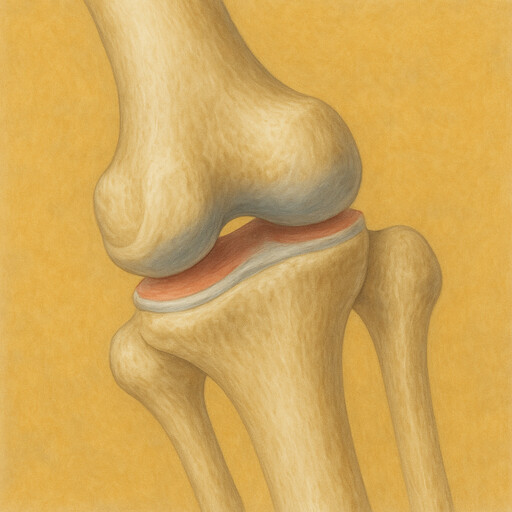
Joint
Meeting place of two or more bones
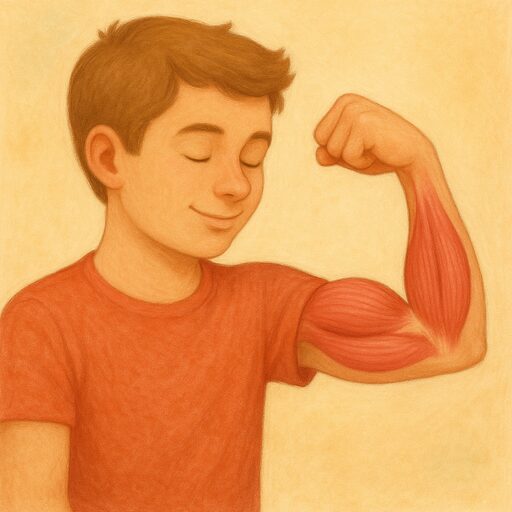
Muscle
Tissue that helps bodies move
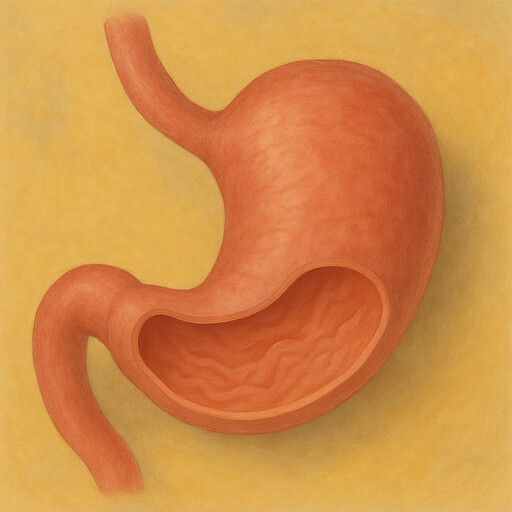
Stomach
Mixing tank of digestion
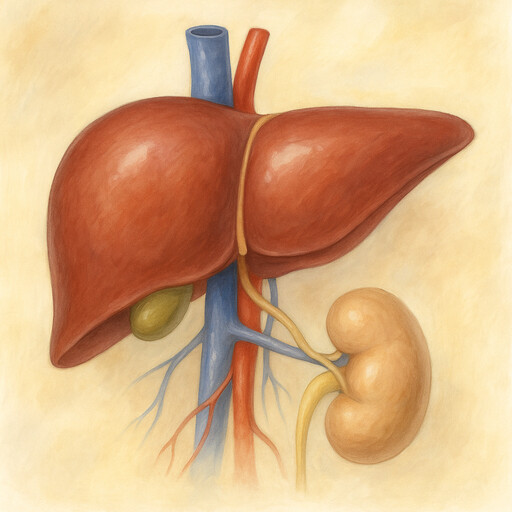
Liver
Chemical factory and guardian
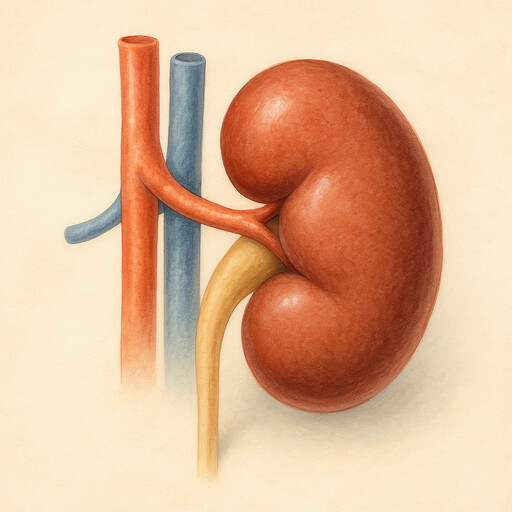
Kidney
Filters that balance fluids
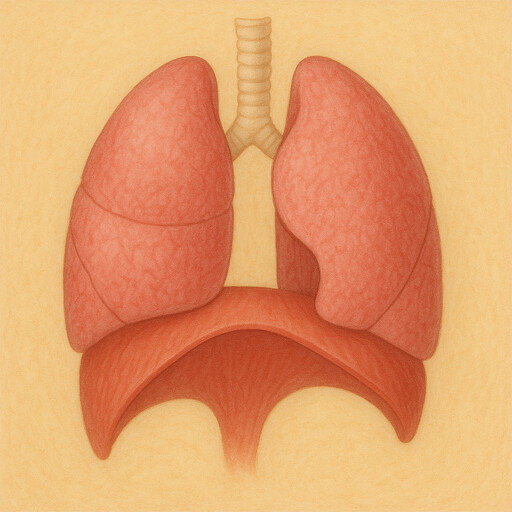
Diaphragm
Breathing muscle beneath the lungs
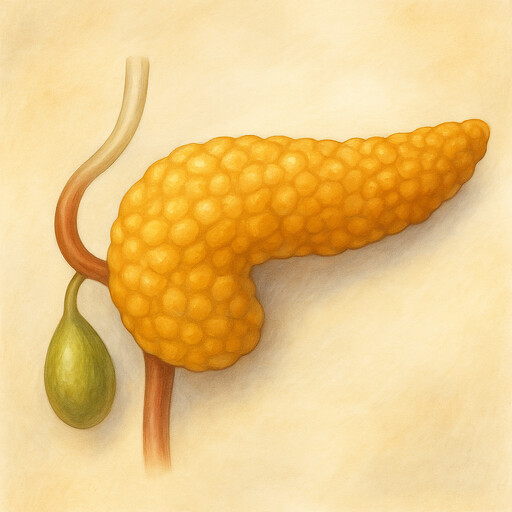
Pancreas
Dual-role gland for digestion and hormones
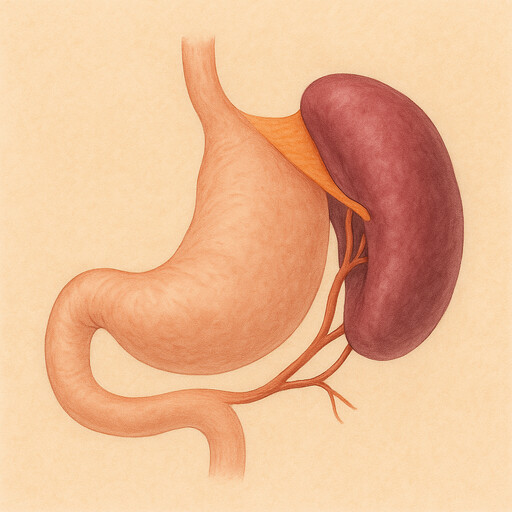
Spleen
Blood filter and immune warehouse
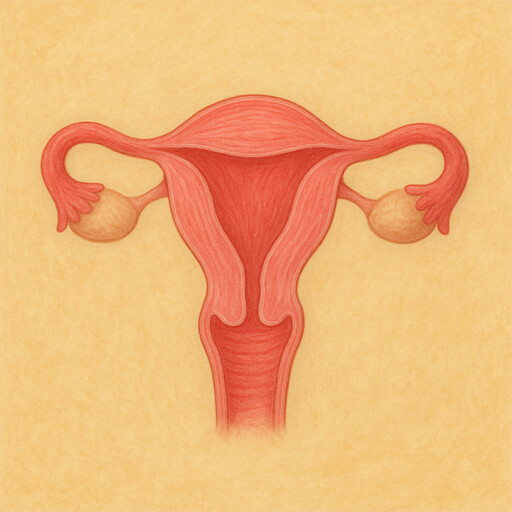
Ovary
Egg-producing gland in the pelvis