Shrew species weigh just a few grams yet burn calories faster than any other mammal. Their pointed snouts, beady eyes, and whiskers probe through leaf litter for beetles, worms, and spiders. Because shrews lose heat quickly, they eat almost constantly—some consume their body weight every day. Many have venomous saliva delivered through grooved teeth, stunning prey much larger than themselves.
Shrews live in tunnels borrowed from rodents, beneath logs, or under snow in winter. They maintain networks of runways through vegetation, using high-pitched squeaks and scent marks to navigate. During cold seasons, some shrews shrink their skull and organs in a phenomenon called Dehnel’s effect, reducing energy needs until spring.
Females produce multiple litters each year, building mossy nests in concealed burrows. Gestation lasts only a few weeks, and young mature quickly, dispersing to avoid cannibalism. Lifespans rarely exceed 18 months, meaning populations rebound quickly after disturbances if habitat remains intact.
Shrews benefit ecosystems by aerating soil as they tunnel and by keeping pest populations in check. They also serve as prey for owls, foxes, and snakes. Threats stem from pesticide use, habitat fragmentation, and house cats that hunt indiscriminately.
Gardeners can support shrews by leaving leaf litter, limiting chemical use, and creating brush piles that provide cover. Students investigate shrew diets by dissecting owl pellets or setting harmless track tunnels that record footprints with ink pads. Appreciating these miniature hunters helps people value the unseen workforce beneath their feet.
Shrew
Level
readlittle.com
Tiny insectivores with turbo metabolisms
What We Can Learn
- Shrews eat constantly to fuel extremely high metabolisms.\n* Grooved teeth deliver venom in some species, aiding in subduing prey.\n* They provide pest control and soil aeration but live short, intense lives.\n* Leaf litter, brush piles, and reduced pesticides support shrew populations.
Related Reads
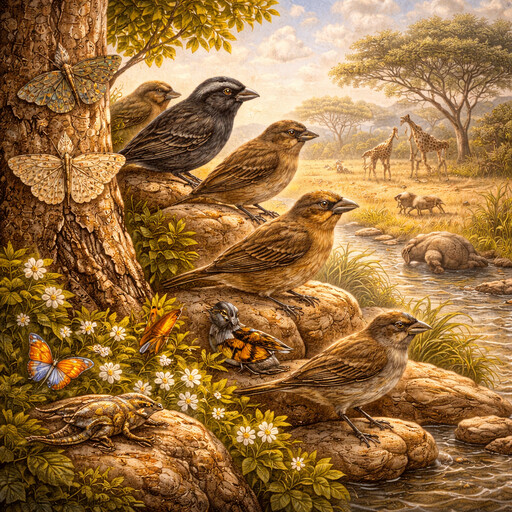
Natural selection
How living things change over time
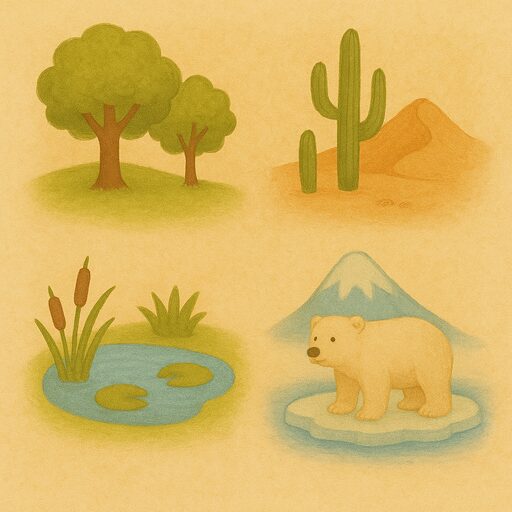
Habitat
Natural home of living things
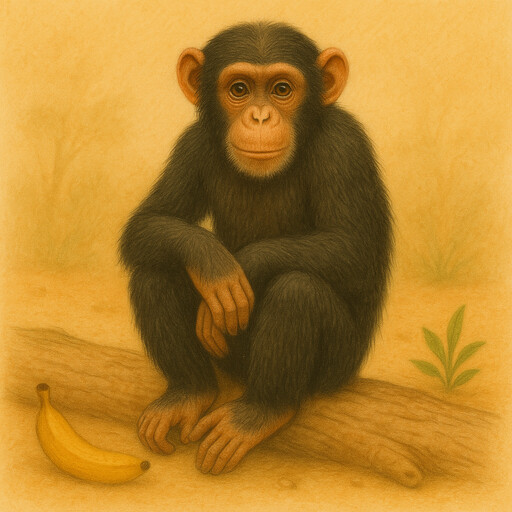
Chimpanzee
Inventive problem-solvers of African forests
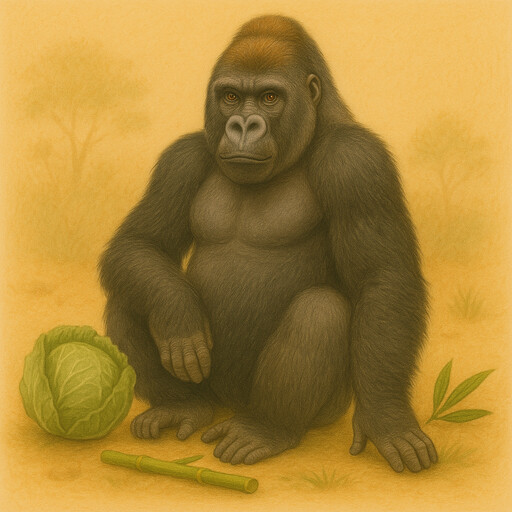
Gorilla
Forest gardeners with gentle strength
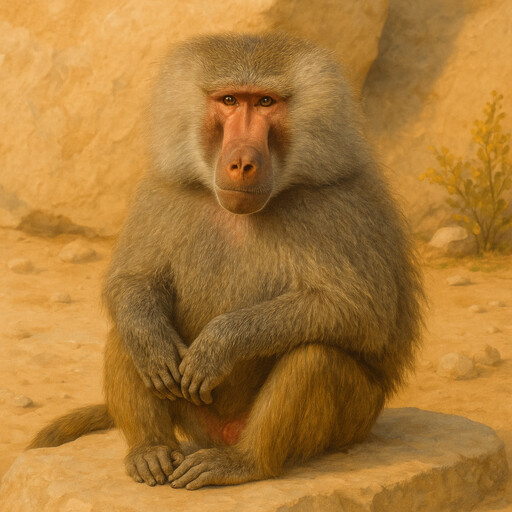
Baboon
Savanna troubleshooters
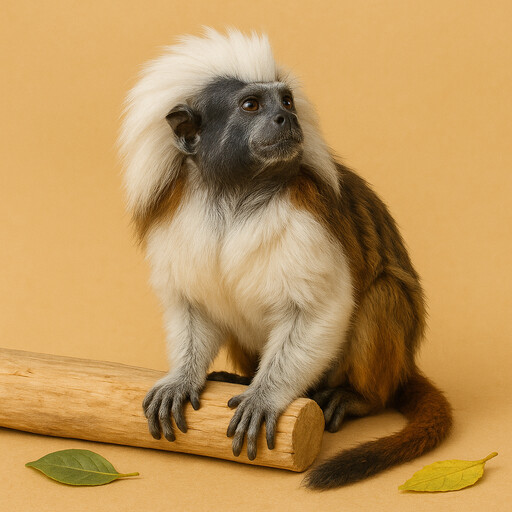
Tamarin
Tiny monkeys with bold mustaches

Pygmy marmoset
Thumb-sized sap specialist
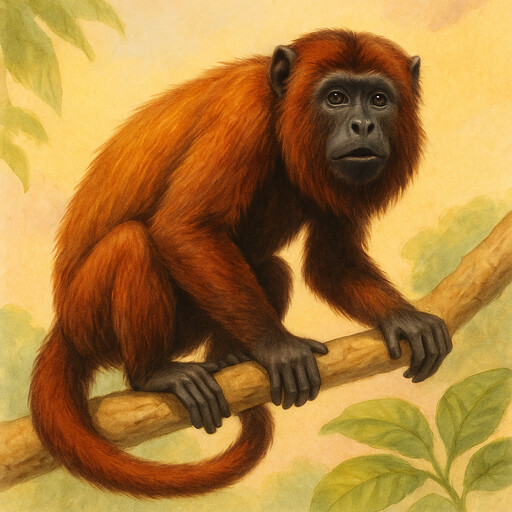
Howler monkey
Rainforest alarm bells
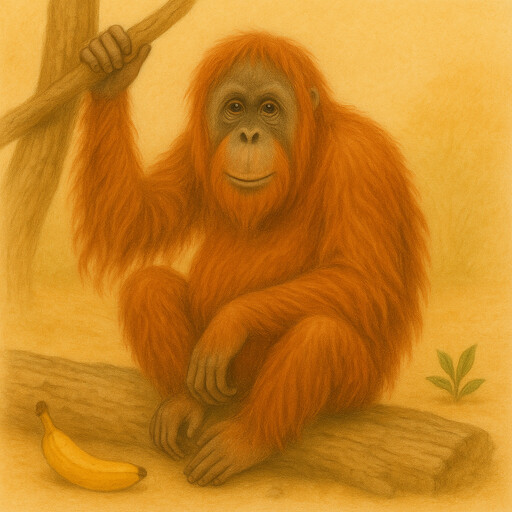
Orangutan
Solitary engineers of the canopy
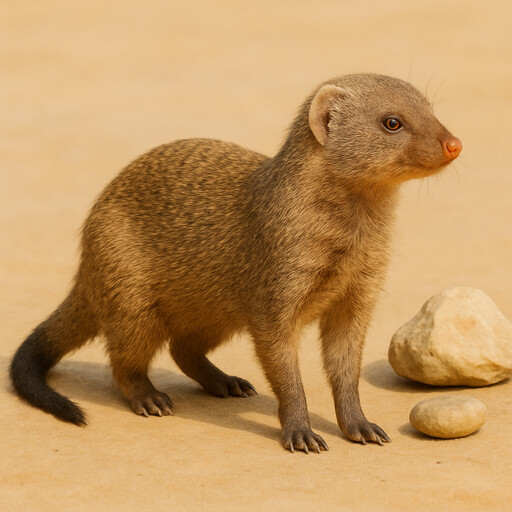
Mongoose
Quick hunters with shared dens
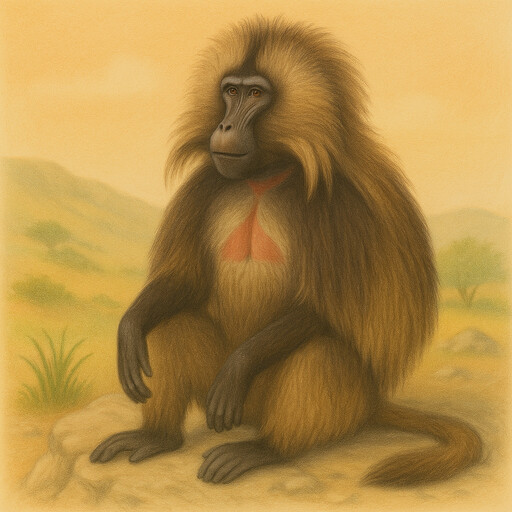
Gelada
Grass-eating monkeys of the highlands
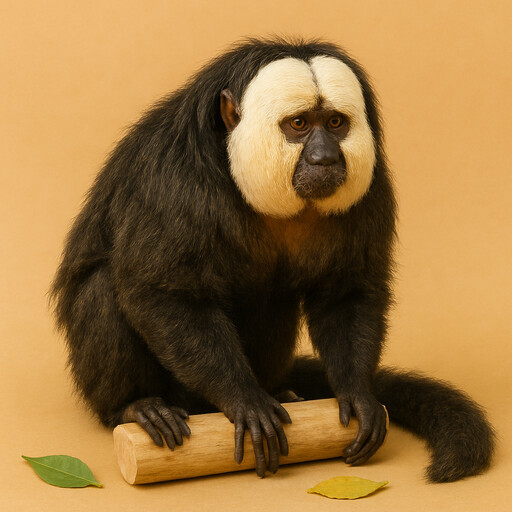
Saki
Shaggy-tailed seed eaters