Antibiotics are powerful medicines that help the body fight infections caused by bacteria. They can stop bacteria from growing or destroy them completely. People take antibiotics when they have bacterial illnesses such as strep throat, ear infections, or some kinds of pneumonia. These medicines are very important for keeping people healthy and saving lives.
The first antibiotic was penicillin, discovered by Alexander Fleming in 1928. He noticed that a kind of mold stopped bacteria from growing around it. This led scientists to develop penicillin as a medicine, and it quickly became one of the most important medical discoveries in history. Since then, many different kinds of antibiotics have been made to treat a wide range of infections.
Antibiotics can be taken in different ways. Some come as pills or liquid medicine that people swallow. Others are given as injections or through an IV in a hospital. When someone takes an antibiotic, it travels through the body and targets bacteria that cause illness. It is very important to take all the medicine exactly as the doctor says, even if a person starts feeling better. Stopping too early can let the bacteria survive and become stronger.
While antibiotics are helpful, they can also cause problems if used the wrong way. Taking antibiotics when they are not needed, or not finishing the full treatment, can lead to antibiotic resistance. This means that some bacteria change so the medicine no longer works against them. When bacteria become resistant, infections are harder to treat and can spread more easily. Doctors and scientists are working to find new medicines and ways to prevent resistance.
Antibiotics only work against bacteria, not viruses. That means they do not help with illnesses like the common cold, the flu, or COVID-19. When people have viral infections, other types of medicine or rest and fluids are usually needed instead. Learning when and how to use antibiotics helps everyone stay healthier and keeps these important medicines working well for the future.
In hospitals and clinics, antibiotics are often used in combination with other treatments. They help protect patients after surgery, during cancer therapy, or when the immune system is weak. Around the world, antibiotics have saved millions of lives, but careful use is necessary so that they continue to work for many generations to come.
Antibiotic
Level
readlittle.com
Medicines that fight harmful bacteria
What We Can Learn
- Antibiotics are medicines that fight bacteria, not viruses.
- The first antibiotic discovered was penicillin by Alexander Fleming in 1928.
- Misusing antibiotics can cause bacteria to become resistant.
- Taking antibiotics correctly helps keep them effective for the future.
Related Reads
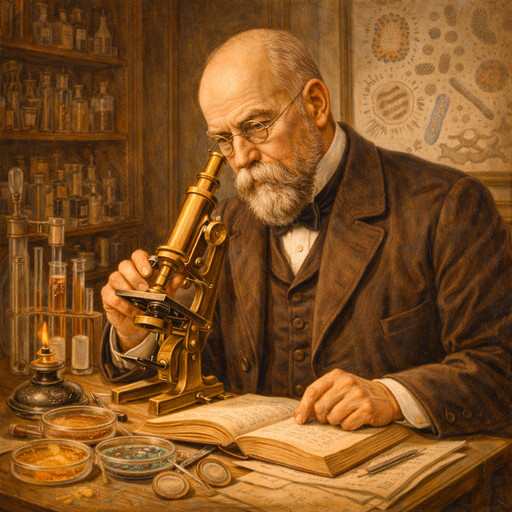
Robert Koch
German doctor who studied disease-causing bacteria
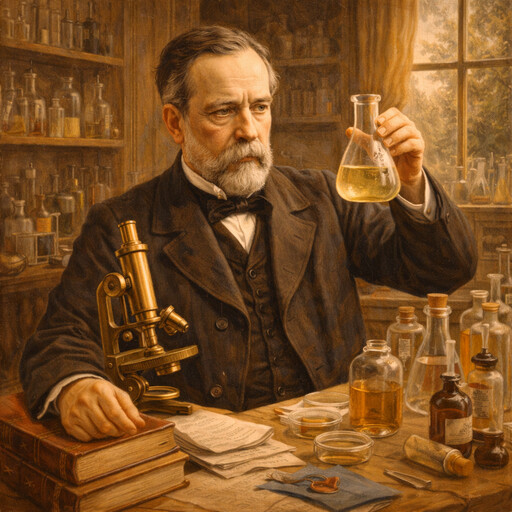
Louis Pasteur
French scientist who studied germs

Edward Longshanks
A tall medieval English king

Pet
Animal companions in human homes
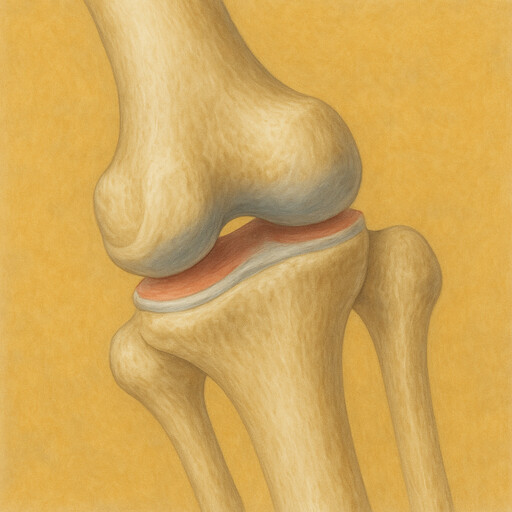
Joint
Meeting place of two or more bones
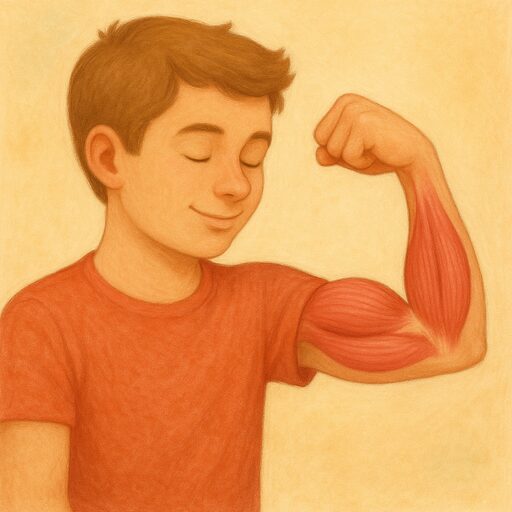
Muscle
Tissue that helps bodies move
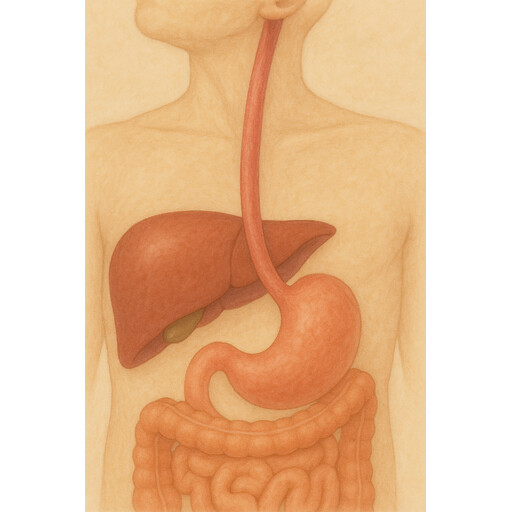
Esophagus
Muscular tube guiding food to the stomach
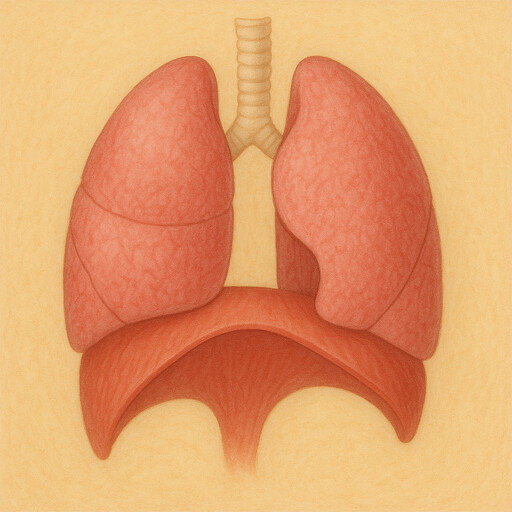
Diaphragm
Breathing muscle beneath the lungs
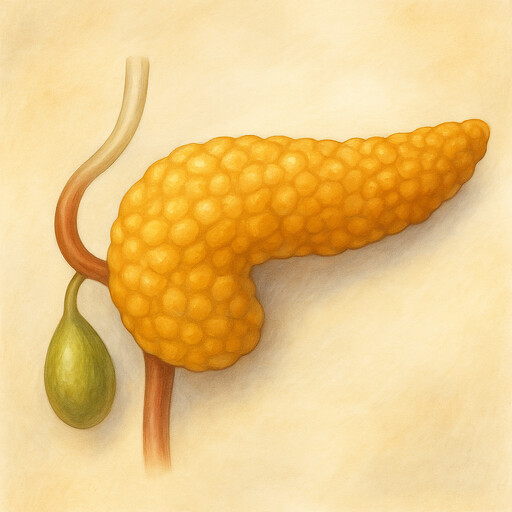
Pancreas
Dual-role gland for digestion and hormones
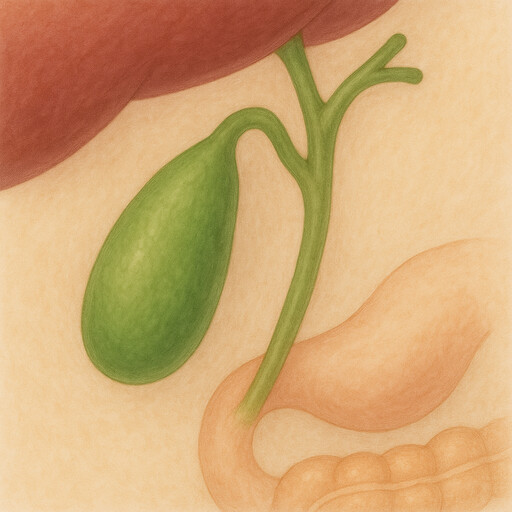
Gallbladder
Bile reservoir aiding fat digestion
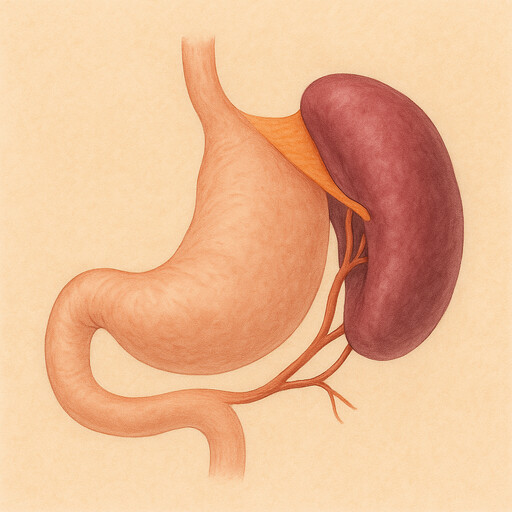
Spleen
Blood filter and immune warehouse
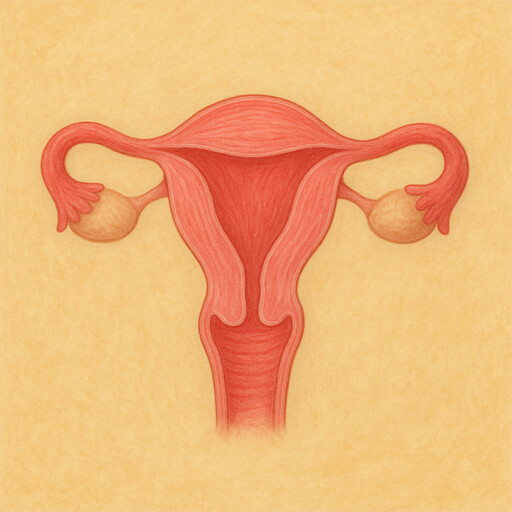
Ovary
Egg-producing gland in the pelvis