Esophagus begins at the pharynx and travels behind the trachea through the chest before piercing the diaphragm to meet the stomach. It is about 25 centimeters long in adults and lined with stratified squamous epithelium that resists abrasion from food. Mucous glands along the wall keep the passage lubricated so bites glide smoothly.
Swallowing is a reflex choreographed in stages. After the tongue pushes a bolus into the throat, the upper esophageal sphincter relaxes and lets it enter the esophagus. Muscles arranged in circular and longitudinal layers then generate peristalsis—wave-like contractions that squeeze the bolus downward regardless of body position.
The lower esophageal sphincter (LES) guards the entrance to the stomach. It opens briefly to let food pass and then tightens to prevent acidic gastric contents from splashing back into the esophagus. When the LES weakens, gastroesophageal reflux disease (GERD) can develop, causing heartburn and potential irritation of the lining.
The esophagus shares space with the airway, so precise timing keeps swallowing safe. The epiglottis folds over the larynx, and breathing pauses momentarily to avoid aspiration. Nerves from the brainstem monitor stretch and coordinate muscle patterns, while sensory feedback triggers cough if food goes astray.
People can care for their esophagus by eating slowly, chewing thoroughly, and maintaining healthy weight that reduces pressure on the LES. Avoiding tobacco and limiting acidic, fatty, or spicy foods may ease reflux symptoms. Doctors evaluate esophageal health with endoscopy, barium swallow imaging, and manometry tests that measure muscle strength, and they treat issues with medication, diet, or surgery.
Esophagus
Level
readlittle.com
Muscular tube guiding food to the stomach
What We Can Learn
- The esophagus connects the throat to the stomach using peristaltic waves
- Upper and lower sphincters control entry and prevent backflow
- Coordinated reflexes protect the airway during swallowing
- Lifestyle habits and medical care can reduce reflux and keep the lining healthy
Related Reads
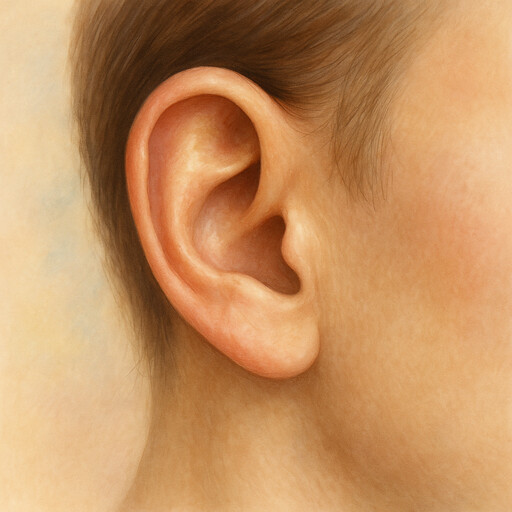
Ear
Organ used for hearing and balance
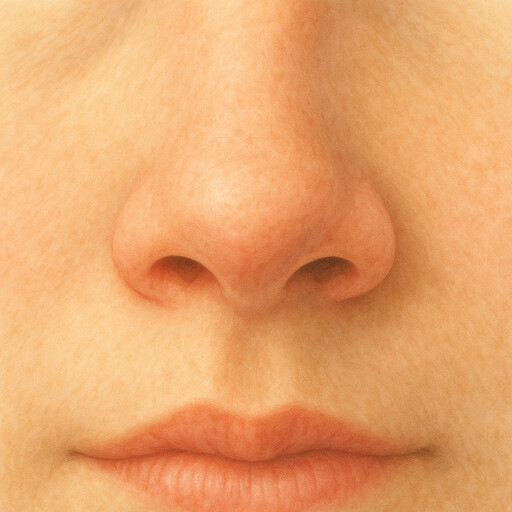
Nose
Organ used for smell and breathing
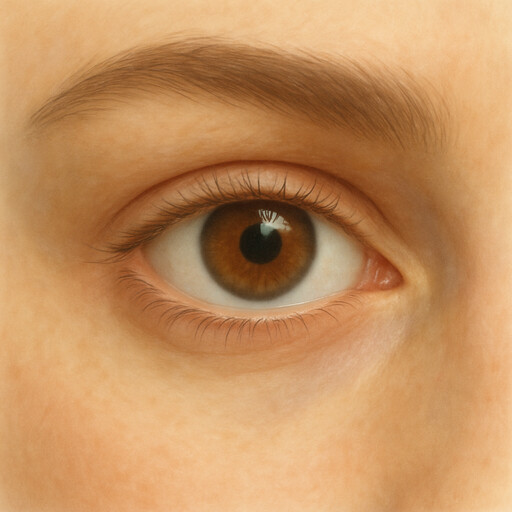
Eye
Organ used for seeing light
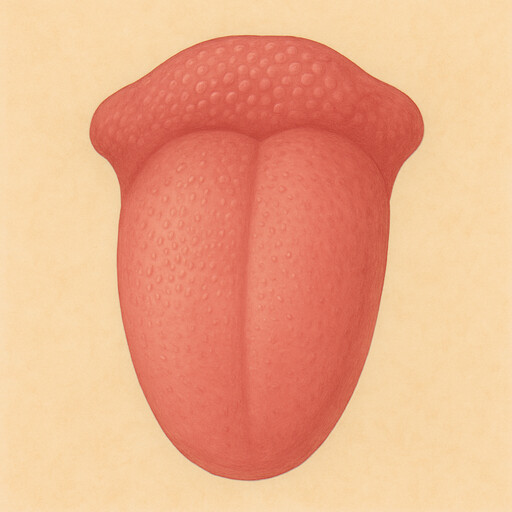
Tongue
Muscle organ for taste and speech
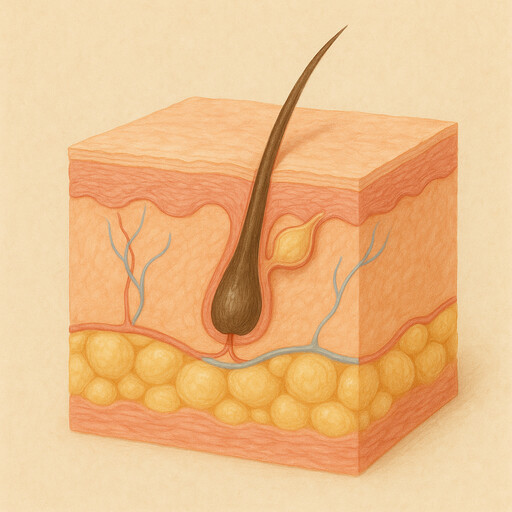
Skin
Outer covering of the human body
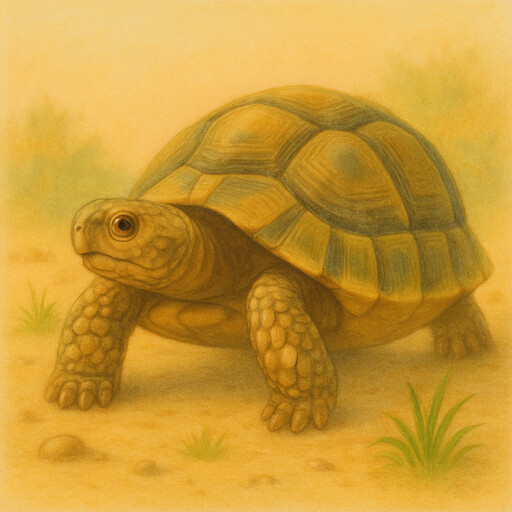
Turtle
Shell-covered travelers of land and sea

Horse
Powerful partners with steady hooves
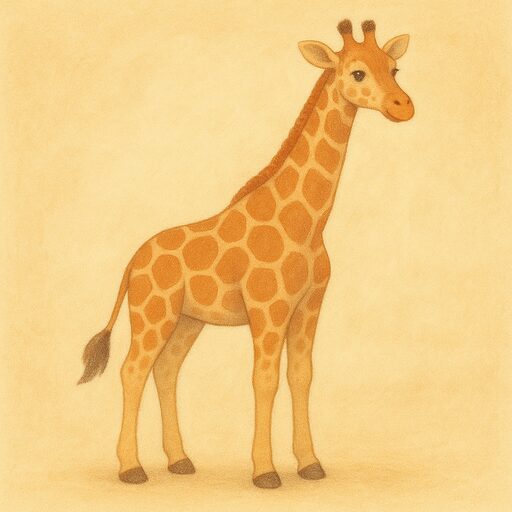
Giraffe
Tall guardians of the savanna
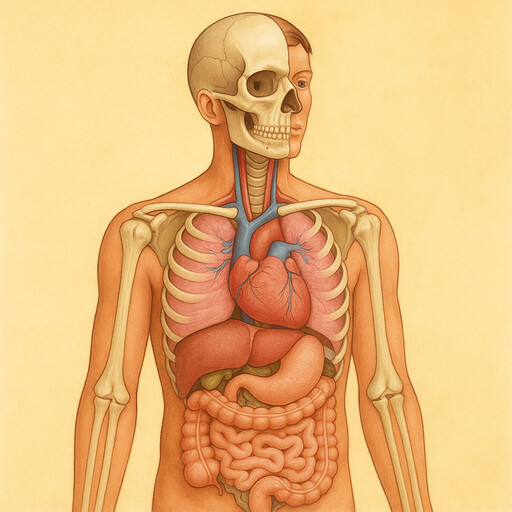
Anatomy
Study of body structure in living things
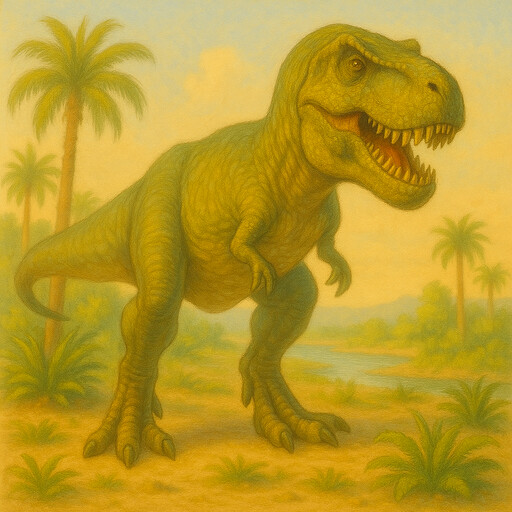
Tyrannosaurus
Large carnivorous dinosaur of late Cretaceous

Jellyfish
Drifting cnidarians with stinging tentacles

Pet
Animal companions in human homes