Denis Diderot was a French writer, editor, and thinker who lived during the 1700s. He was born in 1713 and died in 1784. He is closely linked to the Enlightenment, a period in European history when many people focused on reason, science, and learning. Diderot worked on many types of writing, including essays, plays, and novels. He is most famous for leading the Encyclopédie, a very large book project that aimed to gather and explain knowledge from many fields.
Denis Diderot was born in the town of Langres in eastern France. His father was a skilled craftsman who made metal tools. At first, Diderot was trained for a religious career. He studied at schools run by the church and learned Latin, philosophy, and logic. Philosophy is the study of ideas about knowledge, truth, and life. Over time, Diderot chose a different path. He moved to Paris and began working as a writer and translator. A translator is a person who changes text from one language into another.
Life as a writer was difficult for Diderot. He often struggled with money and depended on small jobs. He wrote on many subjects, including science, art, politics, and daily life. Some of his ideas were controversial at the time. Controversial means causing strong disagreement. Because of this, Diderot was sometimes watched by the authorities. In 1749, he was briefly imprisoned for writings that questioned accepted beliefs. After his release, he continued his work carefully but did not stop writing.
Diderot’s most important work was the Encyclopédie. This project began in the 1740s and lasted more than twenty years. The Encyclopédie was a large set of books that explained knowledge in areas such as science, medicine, crafts, and philosophy. Diderot served as the main editor. An editor is a person who organizes and prepares written work for publication. He worked with many other writers, including Jean le Rond d’Alembert. The Encyclopédie described how things were made and how ideas worked. It included articles written in clear language so educated readers could understand them.
The Encyclopédie faced many problems. Church leaders and government officials feared that its ideas might weaken traditional authority. Several times, the project was banned or stopped. Despite this, Diderot and his team continued working, sometimes in secret. The final volumes were completed in the 1770s. The Encyclopédie became widely read and influenced how people thought about knowledge and learning. It showed practical skills, such as tool making, alongside academic subjects.
In his later years, Denis Diderot continued to write but published less during his lifetime. Some of his works were printed only after his death. He spent time advising Catherine the Great, the ruler of Russia, who supported writers and scholars. Diderot died in Paris in 1784. Today, he is remembered as a central figure of the Enlightenment and as the driving force behind one of the largest knowledge projects of his time. His life reflects the challenges faced by writers working in a period of strict control and changing ideas.
Denis Diderot
Level
readlittle.com
Editor of a major Enlightenment work
What We Can Learn
- Lived from 1713 to 1784 in France
- Main editor of the Encyclopédie
- Worked during the Enlightenment period
- Wrote on science, art, and philosophy
Related Reads

Johann Gottfried Herder
German thinker of culture and language
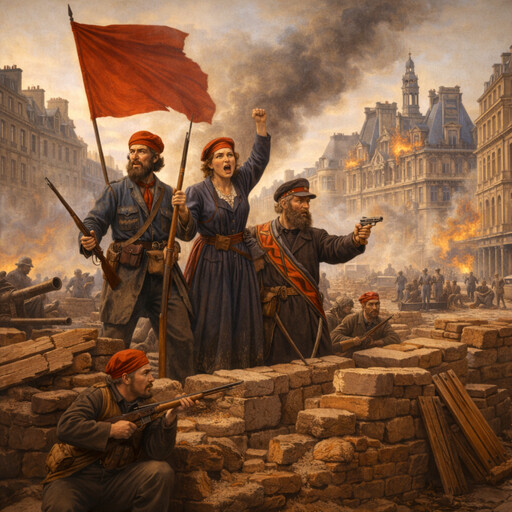
Paris Commune
Short-lived government in Paris, 1871
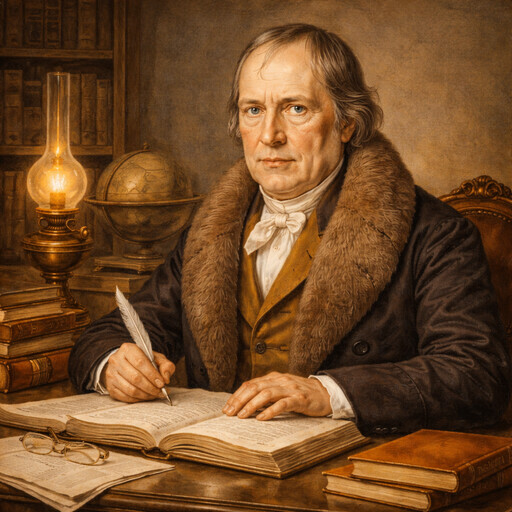
Georg Wilhelm Friedrich Hegel
German philosopher of history and ideas
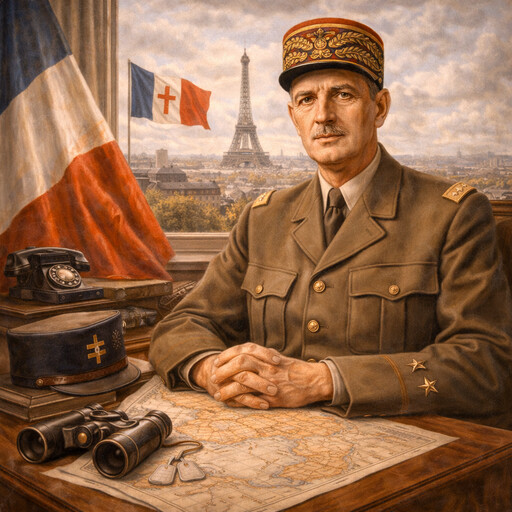
Charles de Gaulle
French general and president

Napoleon III
Emperor of France in the 1800s
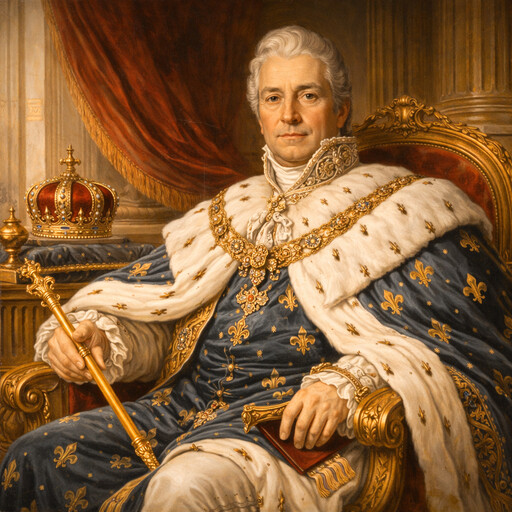
Charles X
Last Bourbon king of France
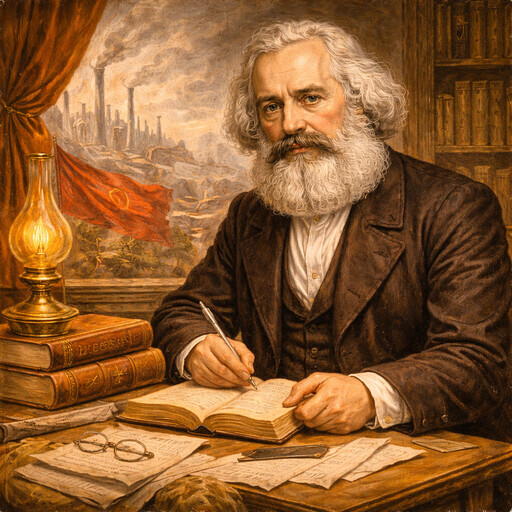
Karl Marx
Thinker of society and economy
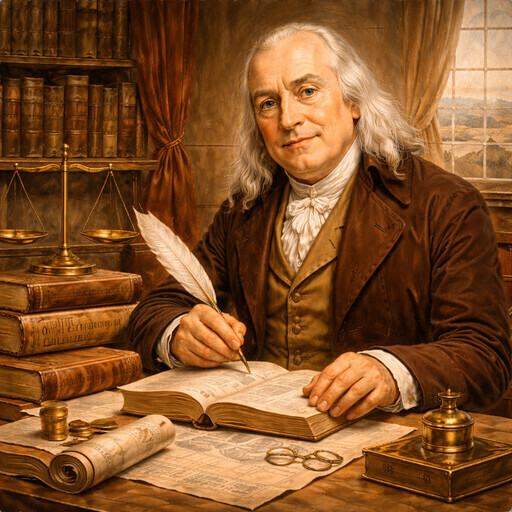
Jeremy Bentham
British thinker on law and society
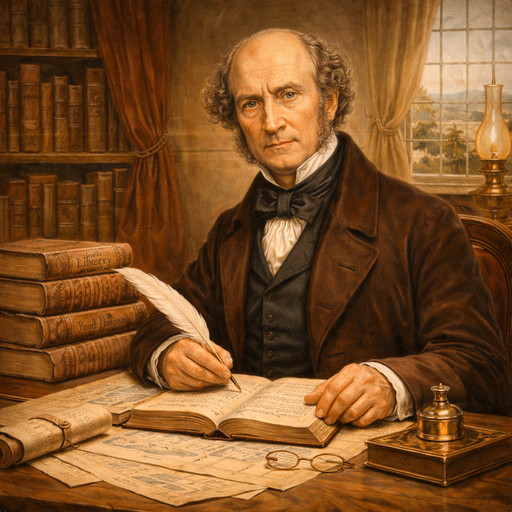
John Stuart Mill
British thinker on society and freedom
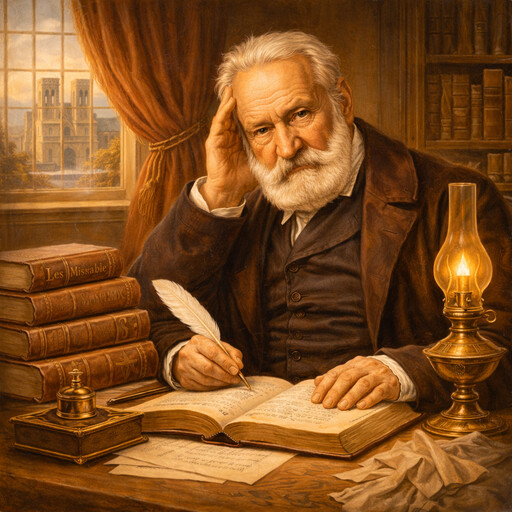
Victor Hugo
French writer and poet
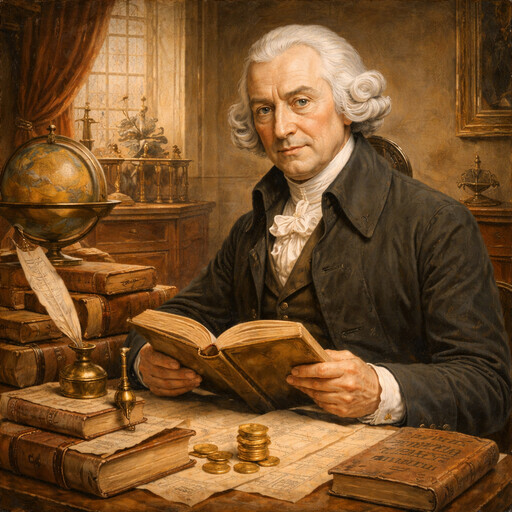
Adam Smith
Scottish thinker of trade and economy
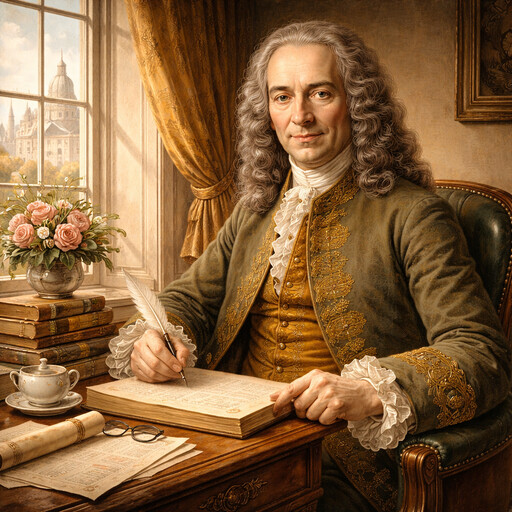
Voltaire
French writer of the Enlightenment