Skin is the outer covering of the human body. It covers muscles, bones, and organs. Skin is the largest organ of the body. It forms a protective layer between the inside of the body and the outside world. Skin helps keep the body safe from injury, germs, and strong sunlight. It also helps the body keep the right amount of heat and water.
Human skin has several layers. The outer layer is called the epidermis. It is thin and strong. The epidermis contains cells that make melanin. Melanin is a substance that gives skin its color. It also helps protect the skin from sunlight. Under the epidermis is the dermis. The dermis is thicker. It contains blood vessels, nerves, sweat glands, and hair roots. Below the dermis is a deeper layer called the fat layer, which helps keep the body warm and stores energy.
Skin has an important role in sensing the world. It contains many nerve endings. Nerve endings are small parts of nerves that send signals to the brain. These signals help a person feel touch, pressure, pain, heat, and cold. When someone touches something hot or sharp, the skin quickly sends a warning signal to the brain. This helps the body react fast.
Skin also helps control body temperature. When the body becomes too warm, sweat glands in the skin make sweat. Sweat is a salty liquid that comes out through tiny openings called pores. As sweat dries, it cools the skin. When the body is cold, blood vessels in the skin become narrower. This helps keep heat inside the body.
Another role of skin is protection from germs. Germs are tiny living things, such as bacteria, that can cause illness. Healthy skin acts as a barrier that blocks many germs. The skin also produces oils and substances that slow the growth of harmful organisms. When skin is cut, it begins to heal by forming a scab and growing new cells.
Skin changes over time. As people grow older, skin may become thinner and less elastic. Elastic means able to stretch and return to shape. Skin can also show marks such as scars or wrinkles. Despite these changes, skin continues to perform its main roles throughout life. Through protection, sensing, and temperature control, skin supports many basic body functions.
Skin
Level
readlittle.com
Outer covering of the human body
What We Can Learn
- Skin is the largest organ of the body
- It protects the body from harm and germs
- Skin helps sense touch, pain, and temperature
- It helps control body heat and water loss
Related Reads
Ear
Organ used for hearing and balance
Nose
Organ used for smell and breathing
Eye
Organ used for seeing light
Tongue
Muscle organ for taste and speech

Sense
Ways humans receive information

Turtle
Shell-covered travelers of land and sea

Horse
Powerful partners with steady hooves

Giraffe
Tall guardians of the savanna
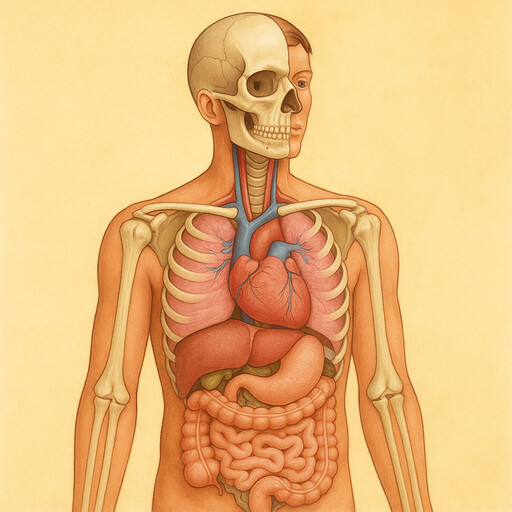
Anatomy
Study of body structure in living things
Tyrannosaurus
Large carnivorous dinosaur of late Cretaceous

Jellyfish
Drifting cnidarians with stinging tentacles
Joint
Meeting place of two or more bones