Giraffe is the tallest land animal, reaching over five meters thanks to legs and necks that stretch like telescopes. Seven elongated neck vertebrae—just like humans have—hold up a head that surveys the savanna for predators. A giraffe’s purple tongue can wrap around thorny acacia branches, stripping leaves without injury. Ossicones, the horn-like knobs on its head, help regulate heat and protect the skull during gentle sparring between males.
Giraffes live in loose herds where individuals come and go, gathering near watering holes and favorite trees. Calves can stand within an hour of birth and rely on their mother’s milk for several months. Adult females communicate with low-frequency humming, while males sometimes "neck" by swinging their heads to establish dominance. Despite their size, giraffes move gracefully, stepping both legs on one side together in a pacing gait.
Their circulatory system is a marvel: a strong heart and elastic blood vessels prevent dizziness when giraffes raise and lower their heads. Special valves keep blood from rushing to the brain when they drink. Dark patches on their coats act like solar panels, with networks of blood vessels underneath acting as radiators to release heat. These adaptations help giraffes survive extreme temperatures and long periods without water.
Giraffes face threats from habitat fragmentation, illegal hunting, and conflicts with expanding farms. Conservationists protect migration corridors, install overpasses that let giraffes cross fences, and work with communities to plant tree species giraffes prefer. Ecotourism lodges support anti-poaching patrols and teach visitors how giraffes shape ecosystems by pruning tree canopy levels, allowing sunlight to reach grasses below.
Artists and storytellers admire giraffes for their gentle natures, painting them on cave walls and modern murals alike. Engineers study giraffe hearts and skin to design better pressure suits for pilots and astronauts. When people safeguard savanna habitats and reduce bushmeat hunting, giraffes continue to stride across grasslands, sharing the horizon with zebras, elephants, and antelope.
Giraffe
Level
readlittle.com
Tall guardians of the savanna
What We Can Learn
- Giraffes evolved long necks, tongues, and circulation systems to browse tall trees.
- Herds are flexible, and calves stand quickly to evade predators.
- Coat patterns and blood vessels help manage heat.
- Protecting habitat corridors and stopping poaching keeps giraffes roaming the savanna.
Related Reads
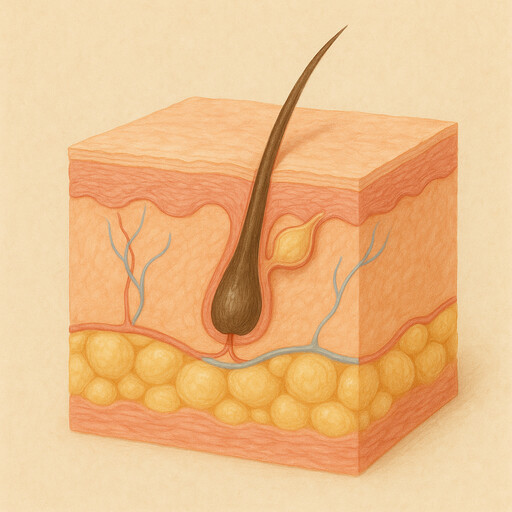
Skin
Outer covering of the human body
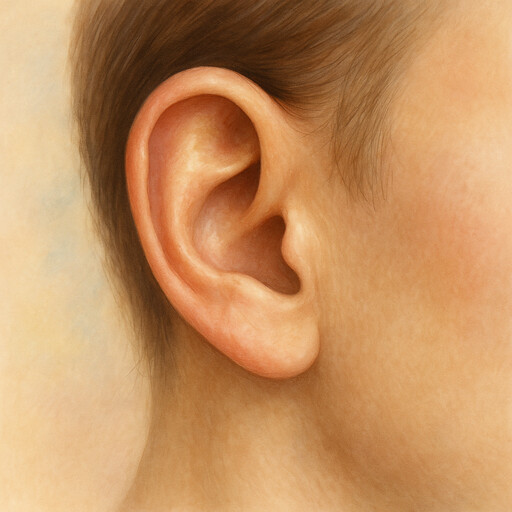
Ear
Organ used for hearing and balance
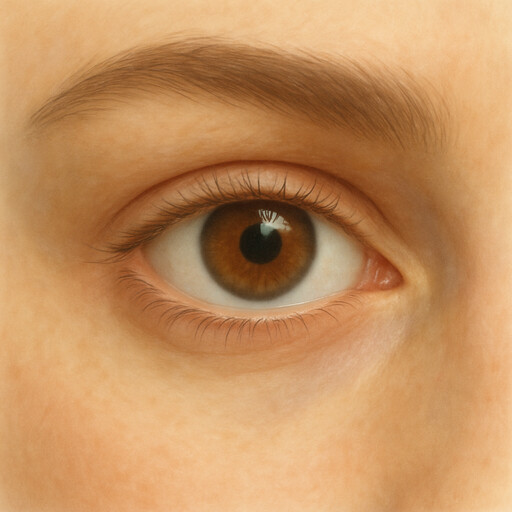
Eye
Organ used for seeing light
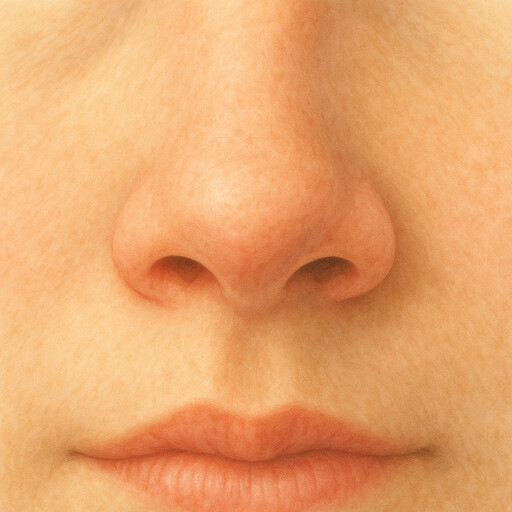
Nose
Organ used for smell and breathing
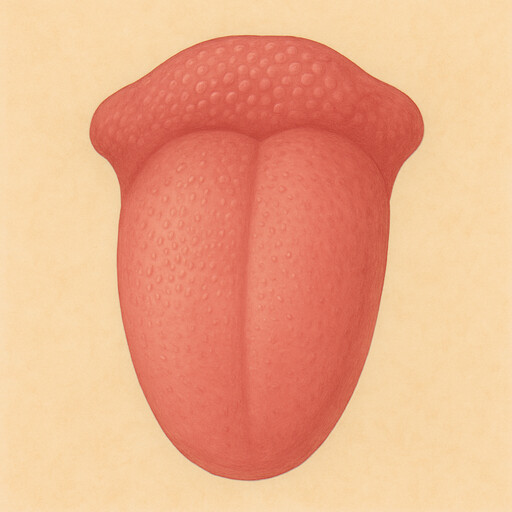
Tongue
Muscle organ for taste and speech
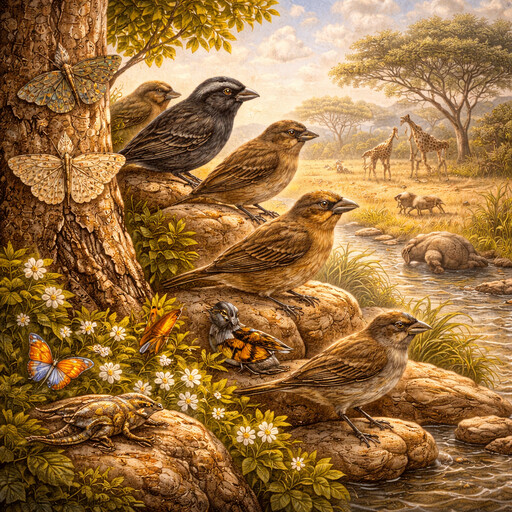
Natural selection
How living things change over time
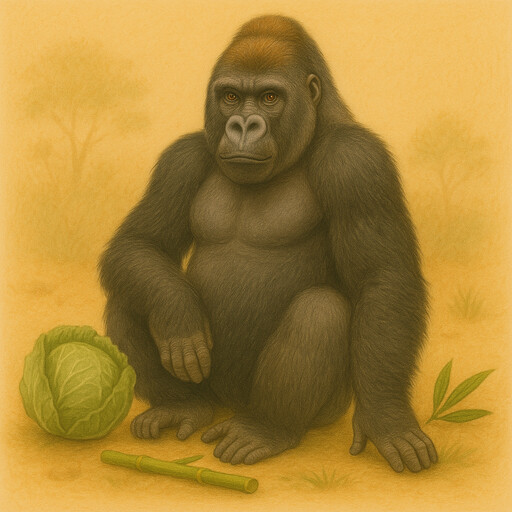
Gorilla
Forest gardeners with gentle strength
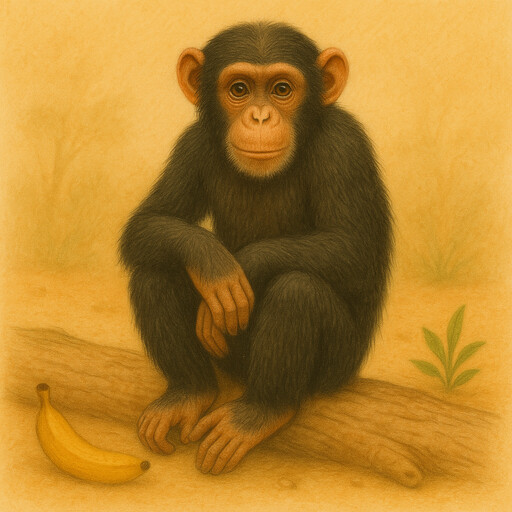
Chimpanzee
Inventive problem-solvers of African forests
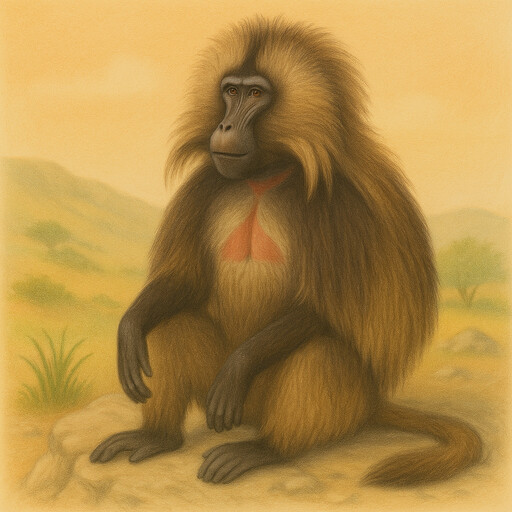
Gelada
Grass-eating monkeys of the highlands
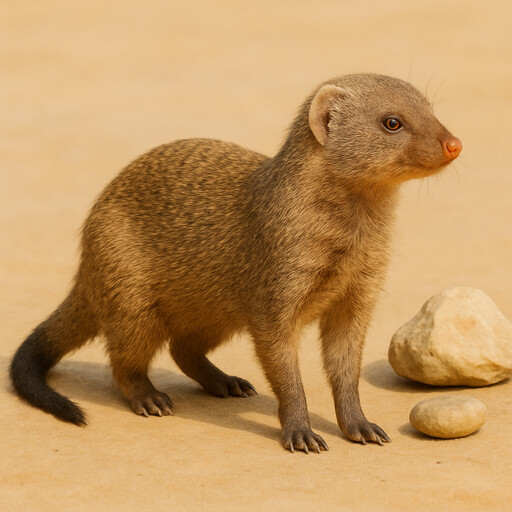
Mongoose
Quick hunters with shared dens
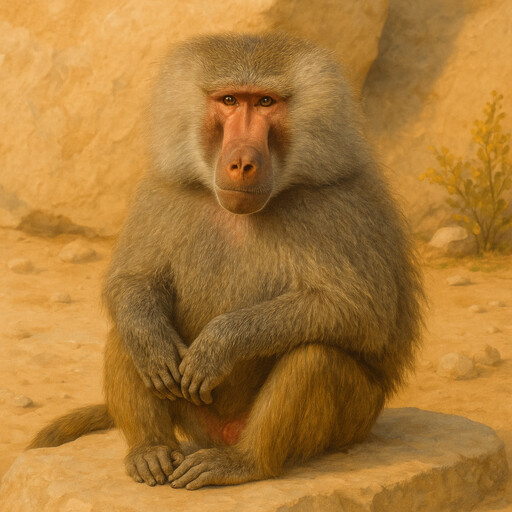
Baboon
Savanna troubleshooters
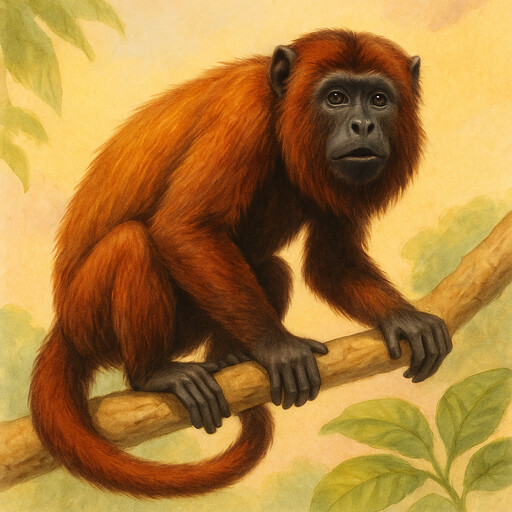
Howler monkey
Rainforest alarm bells