The nose is an organ found on the face of humans and many animals. It has two main jobs. One job is to help with breathing. The other job is to allow the sense of smell. The nose sits above the mouth and below the eyes. Air enters the body through the nose before moving to the lungs. At the same time, the nose can detect smells from the air.
The outside part of the nose is made of skin, bone, and cartilage. Cartilage is a strong but flexible tissue. It helps the nose keep its shape. Inside the nose are two open spaces called nostrils. The nostrils lead to passages inside the head called nasal passages. These passages are lined with small hairs and a wet layer called mucus. Mucus is a thick liquid that traps dust and germs.
When a person breathes in, air moves through the nostrils and into the nasal passages. The nose warms the air and adds moisture to it. This helps protect the lungs. Small hairs and mucus catch dirt, pollen, and tiny living things called bacteria. This cleaning process helps keep harmful particles out of the body.
The nose is also the main organ for smell. Inside the upper part of the nasal passages is a special area called the olfactory region. It contains tiny cells called olfactory receptors. These cells can sense chemicals in the air. When a person smells food, smoke, or flowers, these chemicals enter the nose. The receptors send signals through nerves to the brain. The brain then recognizes the smell.
Smell and taste work closely together. The tongue can sense tastes like sweet or salty. The nose adds more detail by detecting smells. This is why food may seem to have less flavor when the nose is blocked. The nose does not create taste, but it supports it by providing smell information.
The nose also helps with speech. Air passing through the nose changes how the voice sounds. When the nasal passages are blocked, speech can sound different. Even though the nose looks simple from the outside, it plays many important roles in breathing, smelling, and speaking.
Nose
Level
readlittle.com
Organ used for smell and breathing
What We Can Learn
- The nose is used for breathing and smelling
- It cleans and warms the air before it reaches the lungs
- Smell signals travel from the nose to the brain
- The nose works closely with taste and speech
Related Reads
Ear
Organ used for hearing and balance
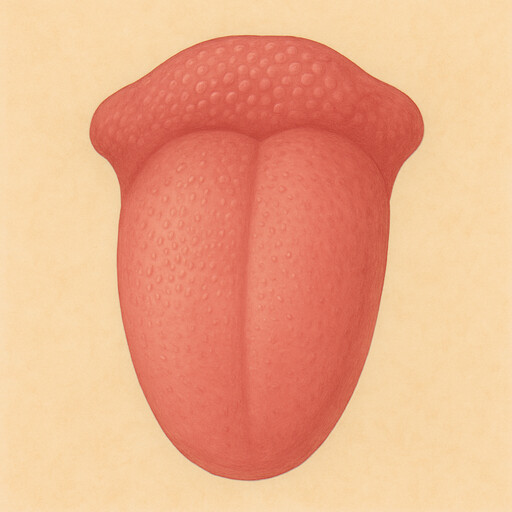
Tongue
Muscle organ for taste and speech
Eye
Organ used for seeing light
Skin
Outer covering of the human body

Turtle
Shell-covered travelers of land and sea

Horse
Powerful partners with steady hooves

Giraffe
Tall guardians of the savanna
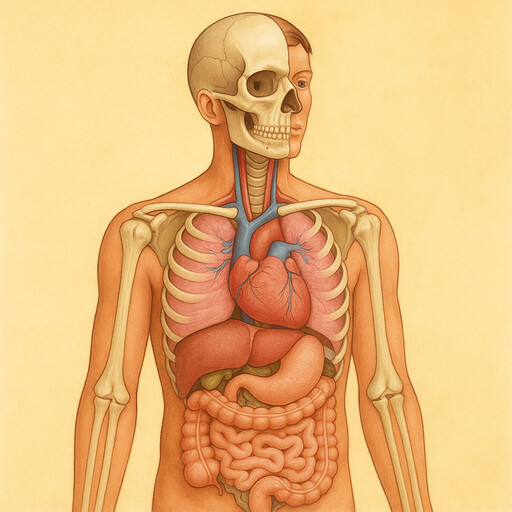
Anatomy
Study of body structure in living things

Tyrannosaurus
Large carnivorous dinosaur of late Cretaceous

Jellyfish
Drifting cnidarians with stinging tentacles
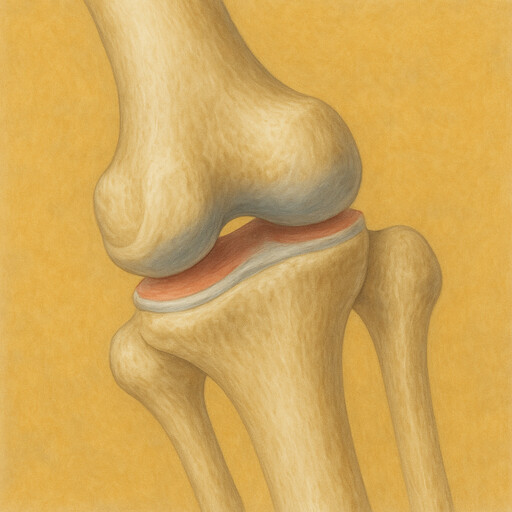
Joint
Meeting place of two or more bones
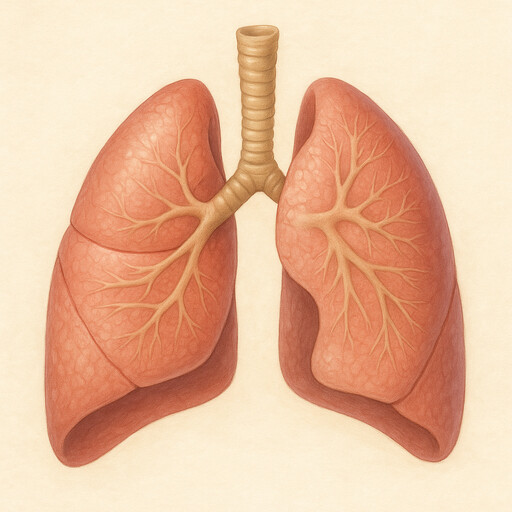
Lung
Breathing partner of the heart