The Heptarchy is a name used for seven early Anglo-Saxon kingdoms that formed in Britain after the Romans left in the 400s CE. The word comes from the Greek language and means "seven rulers" or "seven kingdoms." These kingdoms did not always act together, but the term helps people understand how early English lands were divided during this period.
The seven kingdoms usually included Northumbria, Mercia, East Anglia, Essex, Kent, Sussex, and Wessex. A kingdom was a land ruled by a king. Each kingdom had its own ruler, laws, and customs. Anglo-Saxons were groups of people who came from northern Europe and settled in Britain. Over time, these groups formed their own leaders and communities, which later developed into these seven kingdoms.
The kingdoms often traded with one another and sometimes fought for land or power. Trade is the buying and selling of goods. Because each kingdom wanted to grow stronger, rulers sometimes formed alliances. An alliance is an agreement to work together. At other times, one kingdom might try to control its neighbors. Mercia and Wessex grew especially strong and sometimes led the other kingdoms.
Life in the Heptarchy period also changed because of the spread of Christianity. Christianity is a religion based on the teachings of Jesus, and many missionaries came from Europe to teach it to the Anglo-Saxons. A missionary is a person who travels to spread their religion. Churches and monasteries were built in different kingdoms. A monastery is a place where religious people live, study, and work. These centers helped record early English writing and history.
Although people talk about the Heptarchy as if the seven kingdoms existed neatly side by side, real life was more complex. Borders changed often because of war, marriage, or agreements between kings. Some smaller regions also had their own leaders. As time passed, strong rulers from Wessex began to unite the kingdoms. By the late 800s and 900s CE, most of the Heptarchy had joined to form the early Kingdom of England.
Today, the Heptarchy is useful for learning about early English history. It explains how different groups shaped the culture, laws, and language that later became part of England. Many modern counties still follow old boundaries from this time, showing how the Heptarchy left a lasting mark on the land and its people.
Heptarchy
Level
readlittle.com
Seven early Anglo-Saxon kingdoms
What We Can Learn
- The Heptarchy refers to seven early Anglo-Saxon kingdoms in Britain.
- These kingdoms formed after the Romans left in the 400s CE.
- The kingdoms traded, fought, and sometimes formed alliances.
- Over time, the kingdoms became united, leading to the early Kingdom of England.
Related Reads
Matteo Ricci
European scholar in Ming China
Francis Xavier
Missionary who traveled across Asia
Brendan the Navigator
Early medieval Irish sea voyager
Prussia
Historic European state and kingdom
Seven Years' War
Global war fought in many regions
Quakers
Christian group founded in 1600s England
Nine Years' War
European war from 1688 to 1697
Crusader states
Crusader kingdoms in the eastern Mediterranean
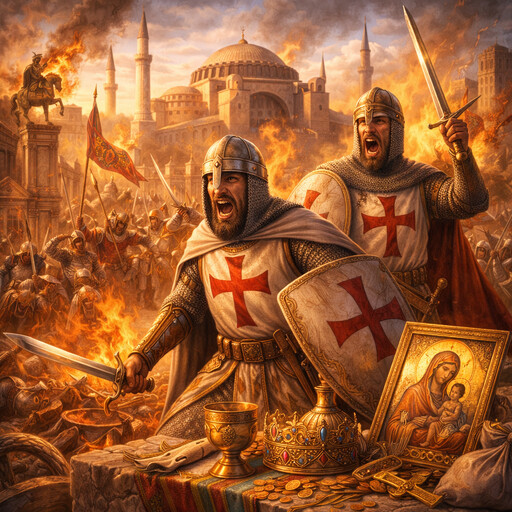
Sack of Constantinople
Crusaders capture Constantinople in 1204
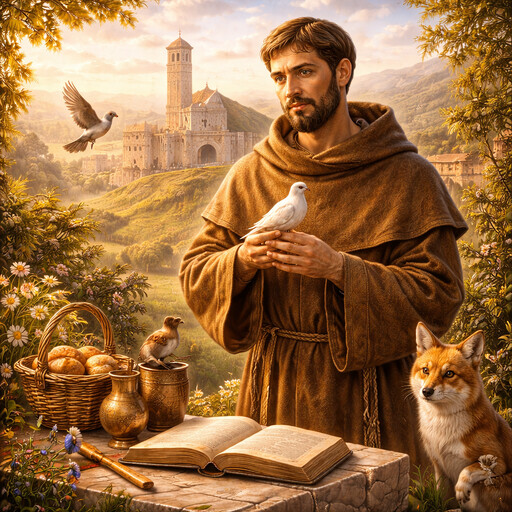
Francis of Assisi
Christian friar and religious leader
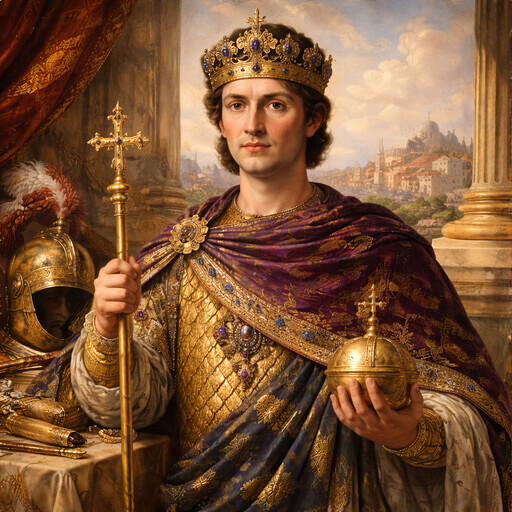
Theodosius II
Eastern Roman emperor of long peace

Theodosius I
Last ruler of a united Roman Empire