Prussia was a state in central and eastern Europe that existed for several centuries. It began as a small territory and later grew into a large kingdom and then a leading power. At different times, Prussia included areas that are now part of Germany, Poland, Russia, Lithuania, and other countries. Prussia is best known for its strong government, army, and influence on European politics.
The name Prussia first came from the Old Prussians, a Baltic people who lived along the southeastern coast of the Baltic Sea. In the Middle Ages, German-speaking rulers expanded into this area. In 1525, the region became the Duchy of Prussia. A duchy is a territory ruled by a duke. In 1701, the ruler Frederick I crowned himself King in Prussia, and the state became the Kingdom of Prussia.
Prussia grew stronger during the 18th century. One of its most important rulers was Frederick II, also called Frederick the Great. He ruled from 1740 to 1786. Under his leadership, Prussia expanded its land and became a major military power. A military is the armed forces of a state. Prussia developed a disciplined army and an efficient system of government, which helped it compete with larger states.
During the early 19th century, Prussia was affected by the Napoleonic Wars. These were conflicts led by Napoleon Bonaparte of France. After suffering defeats, Prussia reformed its army and government. Reforms are changes meant to improve a system. These changes strengthened Prussia and increased its influence among the German states, which were many separate states that shared a common language and culture.
In the mid-19th century, Prussia became the leading force behind German unification. This process was guided by Otto von Bismarck, the Prime Minister of Prussia. Through diplomacy and several wars, Prussia defeated Denmark, Austria, and France. In 1871, the German Empire was declared, and the King of Prussia, William I, became German Emperor. Prussia became the largest and most powerful state within the new empire.
Prussia continued to exist as part of Germany until the end of World War II. After Germany’s defeat in 1945, the Allied powers dissolved Prussia in 1947. Its lands were divided among new German states and neighboring countries. The name Prussia was no longer used as a political unit, but it remains an important part of European history.
Prussia
Level
readlittle.com
Historic European state and kingdom
What We Can Learn
- Prussia was a long-lasting European state
- It grew from a small duchy into a major kingdom
- Prussia led the unification of Germany in 1871
- The state was dissolved after World War II
Related Reads
No image
Vienna
Capital city on the Danube River

Munich Agreement
1938 agreement over Czechoslovak territory

Revolutions of 1848
Uprisings across Europe in 1848

Vilnius
Historic capital city of Lithuania

Polish–Soviet War
War over borders after World War I

Molotov–Ribbentrop Pact
Non-aggression agreement before World War II
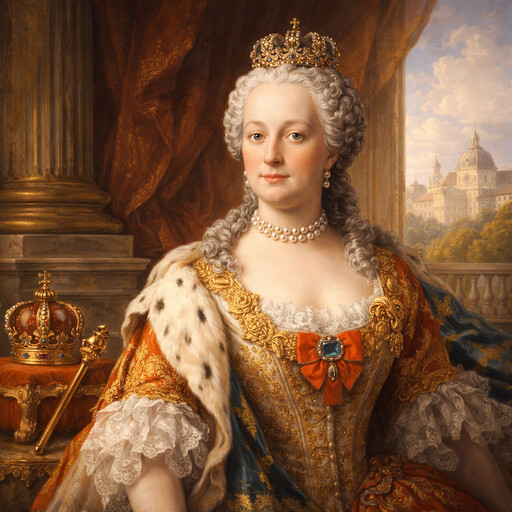
Maria Theresa
Powerful ruler of the Habsburg lands
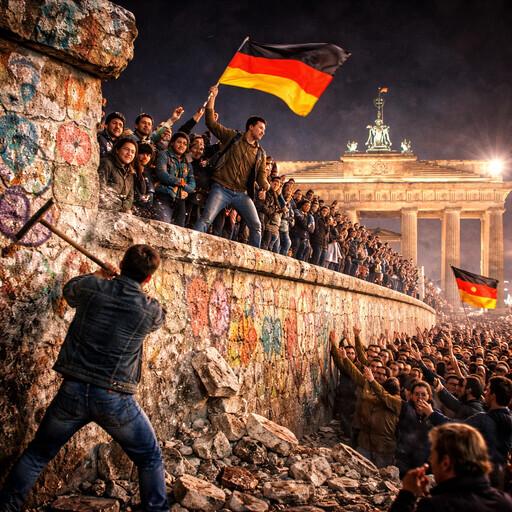
Fall of the Berlin Wall
End of Germany’s divided barrier
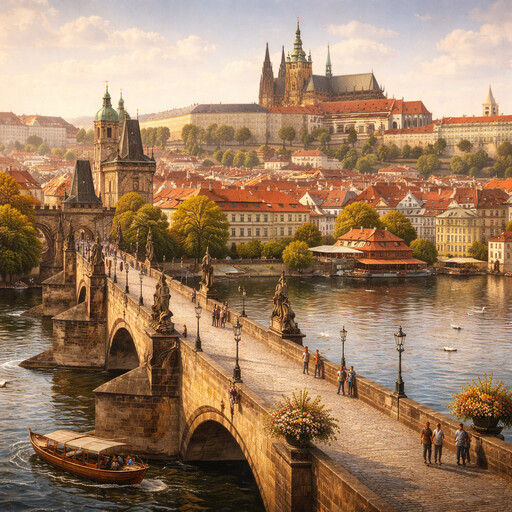
Prague
Historic capital city of the Czech Republic
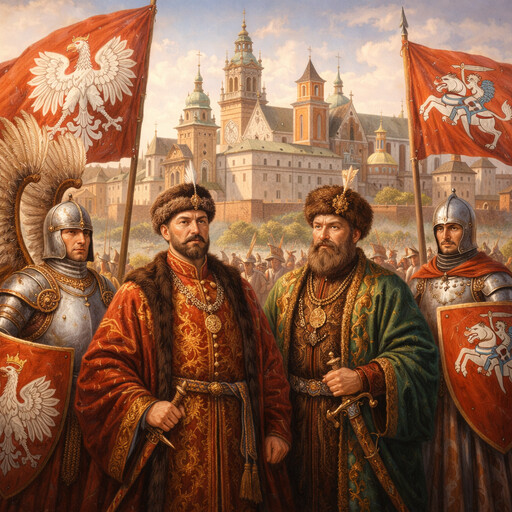
Polish–Lithuanian Commonwealth
A large early modern European state
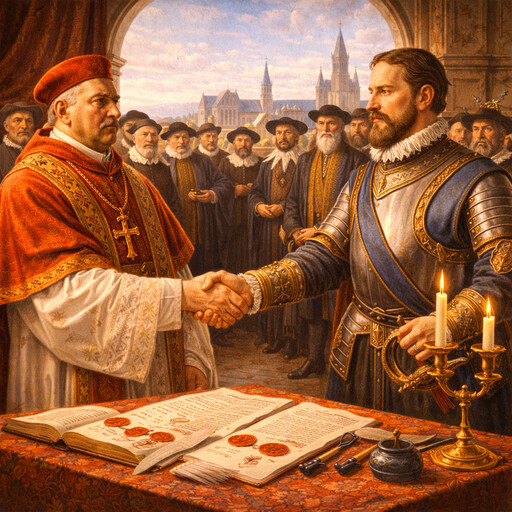
Peace of Westphalia
Treaties ending major European wars
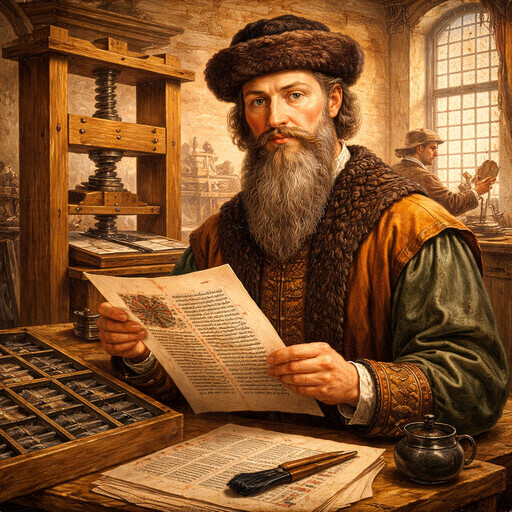
Johannes Gutenberg
Inventor of movable-type printing in Europe