Law is a system of rules that people in a society must follow. It helps keep order, protect people’s rights, and guide how individuals, groups, and governments behave. Laws apply to everyone in a community or country, and they are enforced by courts and other authorities. Without law, it would be difficult to solve disagreements or protect people from harm.
Laws are created in different ways. In most countries, a group of representatives called a legislature makes new laws. Governments also have executive branches that carry out and enforce laws, and courts that interpret laws and decide how they apply in each case. Together, these parts form the legal system. The written rules that make up the law are often collected in documents called constitutions, codes, or statutes.
There are several kinds of law. Criminal law deals with actions that are considered harmful to society, such as theft or violence. People who break these laws may face punishment like fines or jail. Civil law deals with disagreements between people or groups, such as contracts, property, or family matters. Other branches include environmental law, labor law, and international law, each covering specific areas of life.
Every country has its own legal system, but many share similar ideas. For example, most systems believe in justice, which means treating people fairly under the law. Many also protect human rights, such as the right to life and freedom. Some laws are based on written codes, while others come from long traditions and past decisions made by judges, called common law.
Laws can change over time as societies grow and values evolve. Governments may update old laws or create new ones to address new problems, such as technology, environment, or trade. Citizens can also help shape the law by voting, participating in discussions, or taking legal cases to court.
Law is a foundation of civilization. It gives people clear expectations about what is allowed and what is not. By providing rules and systems to resolve conflicts, law helps create stability, fairness, and safety in everyday life.
Law
Level
readlittle.com
Rules that organize and guide societies
What We Can Learn
- Law is a system of rules that organizes society.
- Governments make, enforce, and interpret laws.
- There are different types of law, such as criminal and civil.
- Laws can change as societies and needs evolve.
Related Reads
No image
Monarchy
Government ruled by a royal family
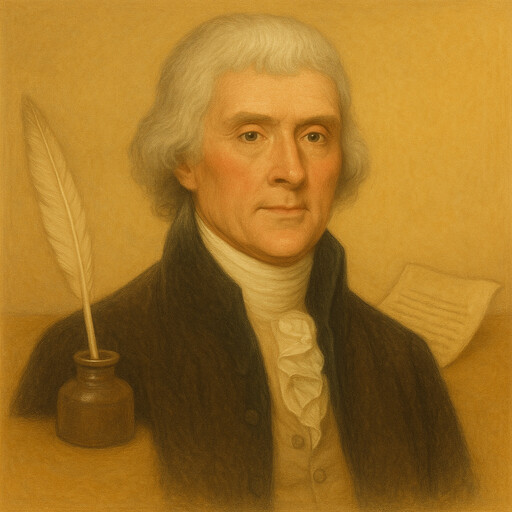
Thomas Jefferson
Author and third U.S. president
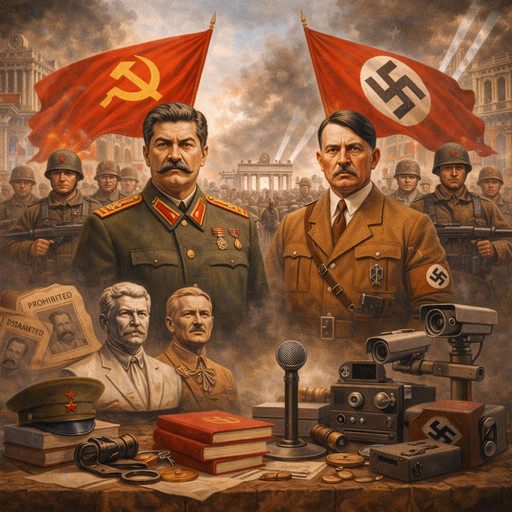
Totalitarianism
A system of complete state control

Nationalism
Idea linking people to a shared nation
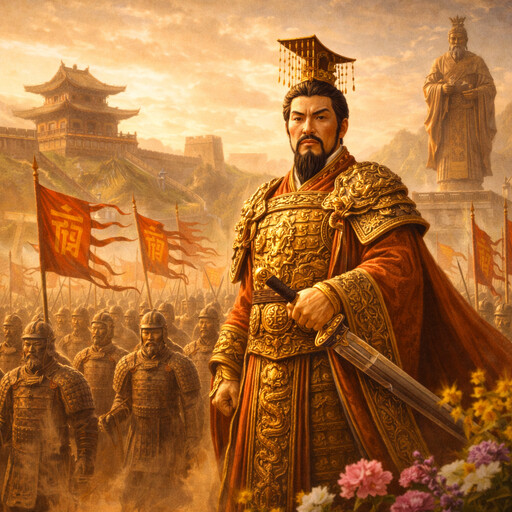
Qin dynasty
First imperial dynasty of China
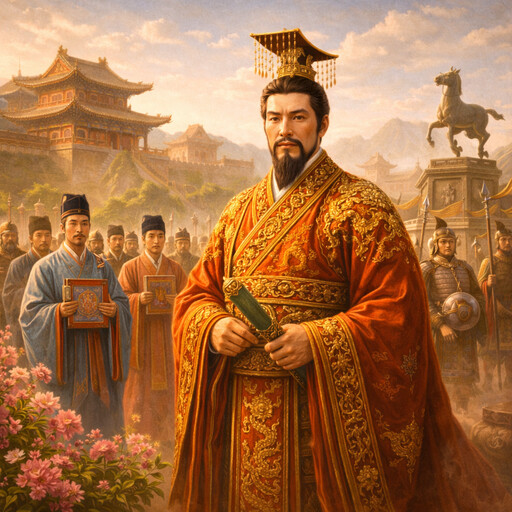
Han dynasty
Long-lasting dynasty of ancient China
Jeremy Bentham
British thinker on law and society
Montesquieu
French thinker on laws and government
Jean-Jacques Rousseau
Enlightenment writer on society and government

John Locke
Thinker who wrote about mind and government

Thomas Cromwell
Chief minister to King Henry VIII
Ottoman Empire
A long-lasting empire across three continents