The Nine Years' War was a major conflict that lasted from 1688 to 1697. It involved several European countries fighting against France. The war took place in Europe and also in overseas colonies. It is sometimes called the War of the Grand Alliance because many countries joined together in one group. In North America, it is often called King William’s War.
The main cause of the war was the expansion of French power under Louis XIV of France. Louis XIV ruled France as an absolute monarch, which means he held most political power. Other European rulers feared that France was becoming too strong. To resist this, they formed an alliance called the Grand Alliance. An alliance is an agreement between countries to support each other, often in war.
The Grand Alliance included England, the Dutch Republic, the Holy Roman Empire, Spain, and several German states. England was ruled by William III, who was also ruler of the Dutch Republic. William III played a leading role in organizing opposition to France. Fighting began soon after William became king of England in 1689.
Most battles of the Nine Years' War were fought in Europe. Important fighting areas included the Spanish Netherlands, parts of Germany, and northern Italy. Armies moved across towns and farmland, often damaging buildings and crops. The war also involved naval battles at sea. Navies are military forces that fight using ships.
The war spread beyond Europe to colonial regions. In North America, English and French settlers fought each other and also involved Native American groups. These conflicts included raids on settlements and attacks on forts. In the Caribbean, French and English forces fought over islands and trade routes. Trade routes are paths used to move goods between regions.
The Nine Years' War ended in 1697 with the Treaty of Ryswick. A treaty is a formal agreement that ends a war. The treaty required France to return some captured land. Louis XIV also recognized William III as king of England. Although the treaty ended the fighting, many political problems remained. Only a few years later, another major war began in Europe.
The Nine Years' War showed how conflicts could involve many countries at once. It also showed how wars in Europe affected colonies overseas. The war required large armies, strong governments, and careful planning. These features became more common in later European wars.
Nine Years' War
Level
readlittle.com
European war from 1688 to 1697
What We Can Learn
- The Nine Years' War lasted from 1688 to 1697.
- France fought against a group called the Grand Alliance.
- Fighting took place in Europe and overseas colonies.
- The war ended with the Treaty of Ryswick.
Related Reads
No image
Vienna
Capital city on the Danube River

Polish–Soviet War
War over borders after World War I
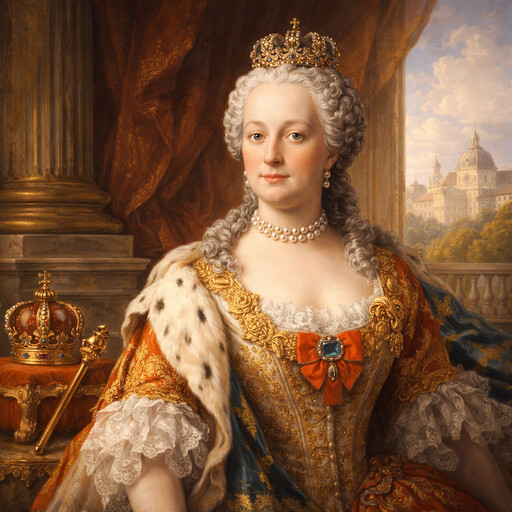
Maria Theresa
Powerful ruler of the Habsburg lands

Revolutions of 1848
Uprisings across Europe in 1848

Molotov–Ribbentrop Pact
Non-aggression agreement before World War II

Vilnius
Historic capital city of Lithuania

Munich Agreement
1938 agreement over Czechoslovak territory
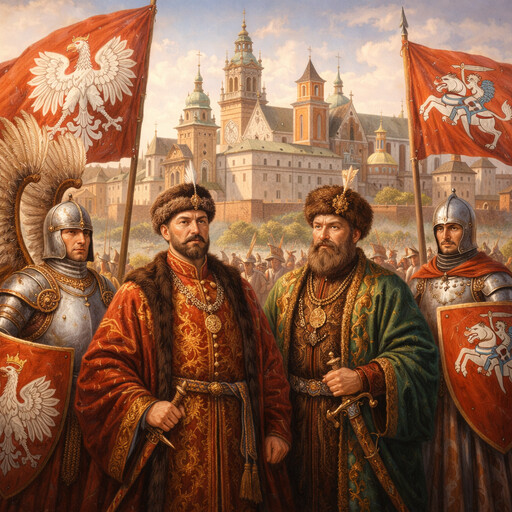
Polish–Lithuanian Commonwealth
A large early modern European state

Prague
Historic capital city of the Czech Republic

Fall of the Berlin Wall
End of Germany’s divided barrier
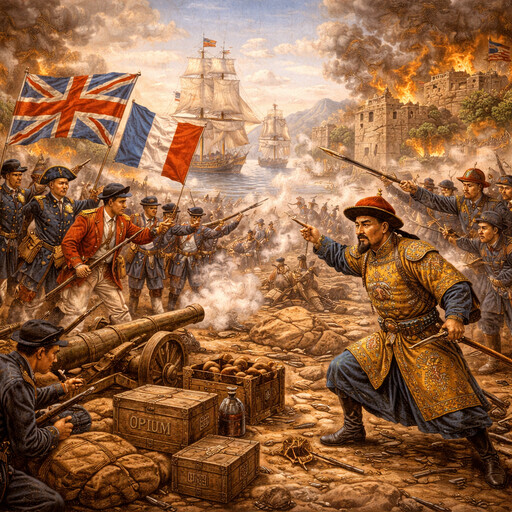
Second Opium War
Renewed conflict between China and Western powers
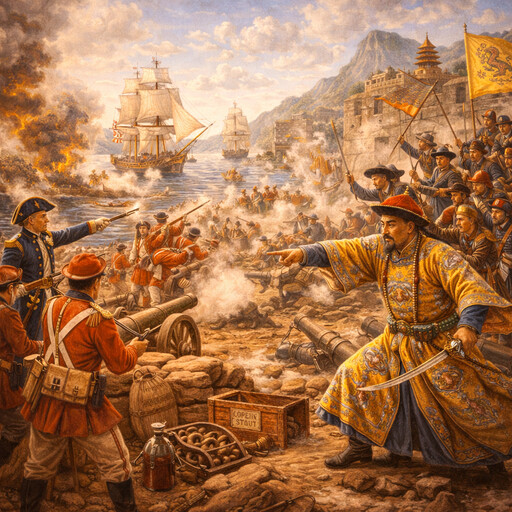
First Opium War
Conflict between Qing China and Britain