A knight was a trained warrior in medieval Europe who served a lord or a king. Knights fought on horseback and formed an important part of many medieval armies. They wore metal armor for protection and used weapons such as swords, shields, and lances. Knights often lived on land given to them by their lord in return for military service.
Becoming a knight took many years of training. A boy who wished to become a knight usually started as a page, which was a young helper in a noble household. A page learned basic skills, such as caring for horses and practicing simple exercises. Later, he became a squire. A squire trained with weapons, helped a knight in battle, and learned how to ride in armor. When a squire completed his training, he could be knighted in a special ceremony where he received his sword.
Knights followed certain customs that guided their behavior. These customs formed the basis of what is called chivalry, which was a traditional code. A code is a group of rules that guide actions. Knights were expected to show loyalty to their lord and to fight with skill. They were also expected to show proper manners in noble courts. A court was the place where a noble or king lived and made decisions. These manners included speaking politely and showing respect to people of high rank.
Knights played an important role in many wars of the Middle Ages. For example, English knights fought in the Hundred Years' War, a long conflict between England and France. Famous leaders such as King Edward III of England used large groups of knights in their armies. Because knights fought on horseback, they could move quickly across battlefields. However, changes in weapons, such as the longbow and early cannon, later reduced the power of knightly warfare.
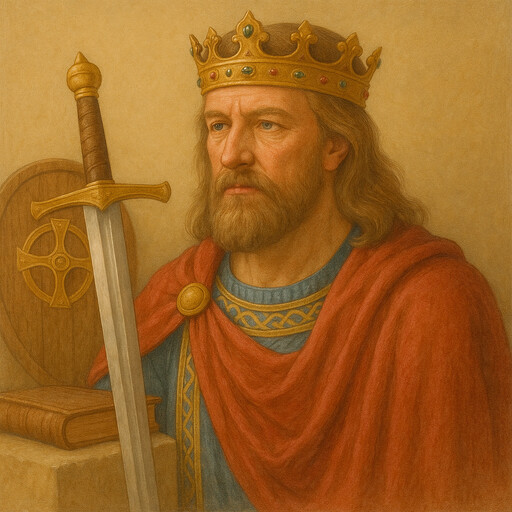
Knights also appeared in stories and poems. One well-known group is the Knights of the Round Table, who appear in legends about King Arthur. A legend is a story passed down over time that may mix real events and imagination. These stories shaped how people viewed knights, even though real knights did not always behave like the characters in the tales.
Over time, the military role of knights changed. By the late Middle Ages, professional foot soldiers and new weapons became more common in European armies. However, knighthood continued as an honor. In later periods, kings still granted knighthood to people for service, even if they were not warriors. Today, the word "knight" can also describe someone who receives a special title, such as in modern British honors.
Knight
Level
readlittle.com
Medieval warrior on horseback
What We Can Learn
- Knights were trained warriors who fought on horseback.
- Becoming a knight required years of training as a page and squire.
- Knights followed a code called chivalry, which guided their behavior.
- Their role changed as new weapons and armies developed in the late Middle Ages.
Related Reads
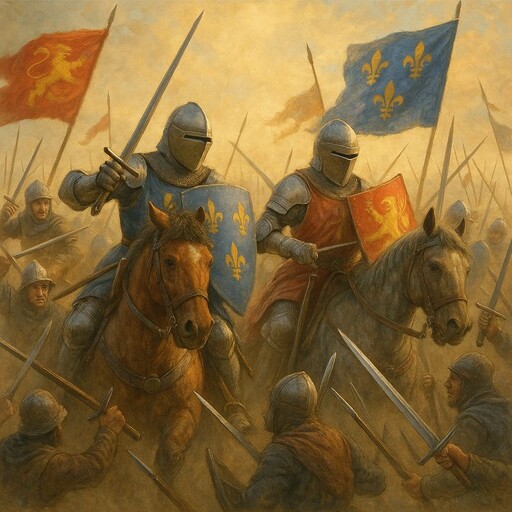
Hundred Years' War
Long conflict between England and France
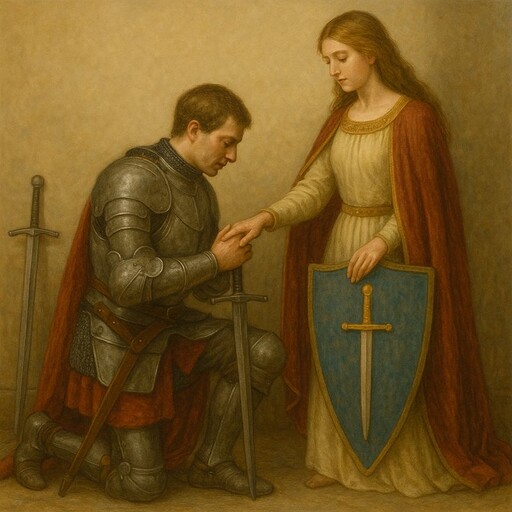
Chivalry
Medieval code for knights
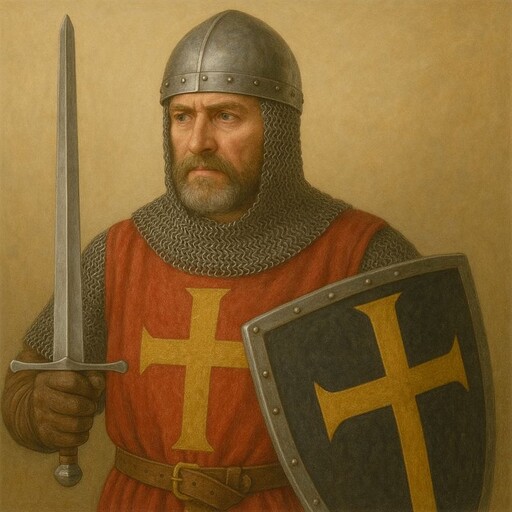
William Marshal
A loyal knight and royal advisor
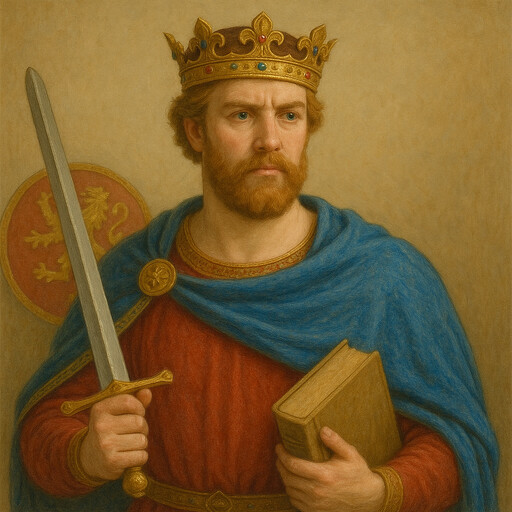
Henry II
Founder of the Plantagenet dynasty
King Arthur
Legendary leader of early Britain
Remembrance Day
Honoring those who served in war
Law
Rules that organize and guide societies
Constitution
The basic rules of a country