The Middle Ages were a period of European history that lasted from about the 400s CE to the 1400s CE. This period came after the fall of the Western Roman Empire. It is sometimes called the medieval period, which means the “middle period.” Historians use this name because it sits between ancient times and modern times. The Middle Ages included many changes in daily life, government, and culture.
After the Roman Empire broke apart in the west, several new kingdoms formed in Europe. These kingdoms were ruled by kings, and lands were often divided between nobles. Nobles were people with high social rank who controlled large areas of land. Most people lived in the countryside and worked as farmers. A farmer grew crops and raised animals for food. Because long-distance trade was difficult, many communities produced most of what they needed themselves.
Religion played a major role in the Middle Ages. Christianity was the main religion in Europe, and churches were found in almost every town and village. Many people became monks or nuns. A monk or a nun is a religious person who lives in a community to pray and study. Monasteries, which are communities where these people live, also became places of learning. Monasteries copied books, kept records, and taught reading and writing.
As time passed, cities in Europe grew larger. Trade routes reopened, and merchants began to travel more widely. A merchant is someone who buys and sells goods. Markets and fairs became important places for people to meet and exchange items. Towns built walls for protection, and many developed special rules and leaders. Craftsmen formed guilds, which were groups that protected the quality of their work and trained new workers.
The Middle Ages also saw many conflicts. Some were local disputes between rulers. Others, such as the Crusades, involved large groups of people traveling long distances for religious reasons. The Crusades were a series of military journeys made by Europeans to the eastern Mediterranean. During this period, castles were built across Europe as strong buildings used for defense. Knights, who were trained soldiers, served rulers in battle.
Toward the end of the Middle Ages, Europe began to change again. New learning spread from universities, which were early schools for advanced study. Trade increased even more, and new ideas about art and science grew stronger. These changes helped lead to the Renaissance, a period of renewed interest in learning and creativity. Because of these developments, the Middle Ages are often seen as a bridge between ancient and modern Europe.
Middle Ages
Level
readlittle.com
European period between ancient and modern times
What We Can Learn
- The Middle Ages lasted from about the 400s to the 1400s CE.
- New kingdoms and social systems formed after the fall of the Western Roman Empire.
- Religion, especially Christianity, shaped daily life and learning.
- Growing trade, cities, and new ideas led toward the Renaissance.
Related Reads
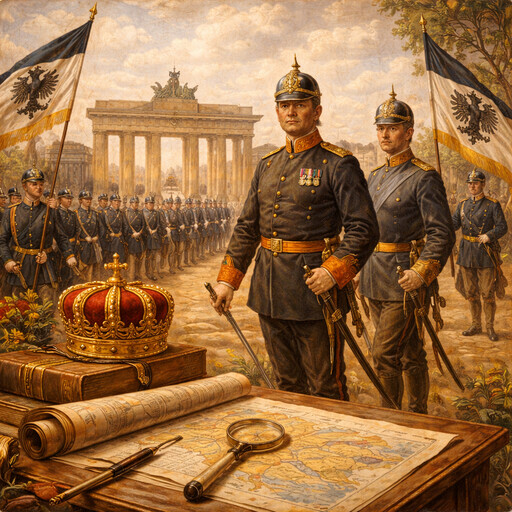
Prussia
Historic European state and kingdom
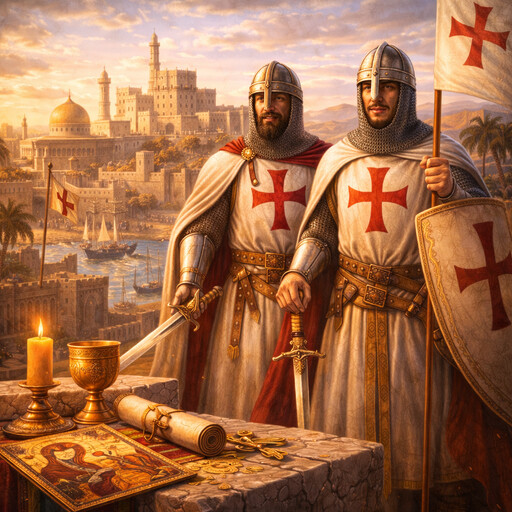
Crusader states
Crusader kingdoms in the eastern Mediterranean
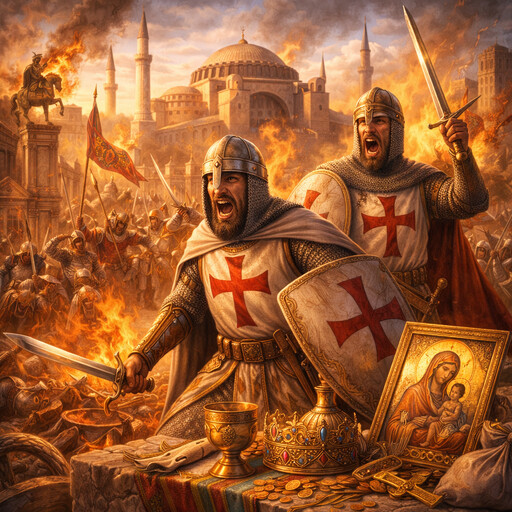
Sack of Constantinople
Crusaders capture Constantinople in 1204
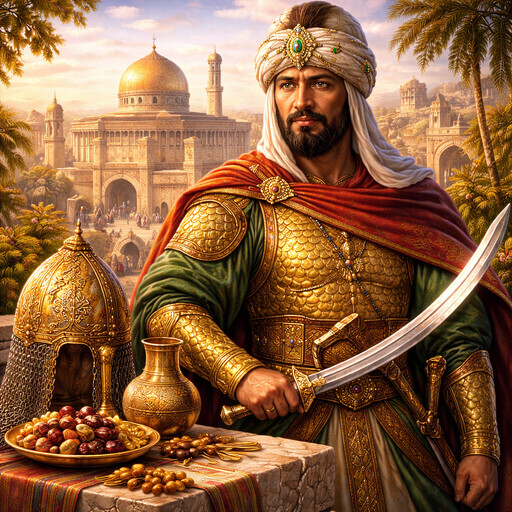
Saladin
Muslim leader of the Crusades era

Frederick II
Ruler of empire and kingdom

Louis IX
King of France in the Middle Ages

Pope Urban II
Medieval pope of the late 11th century

Pope Eugene III
Medieval pope during the Second Crusade
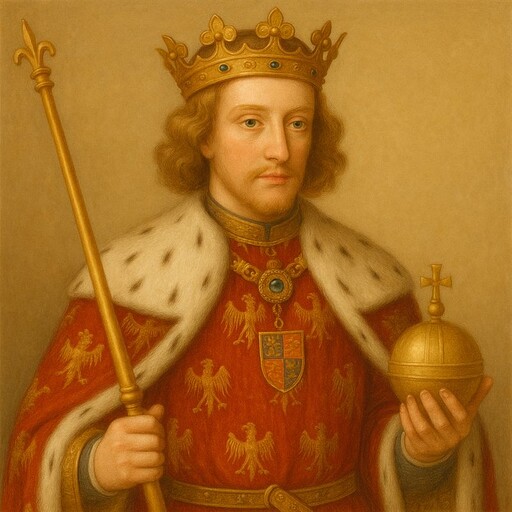
Richard II
Young medieval king of England
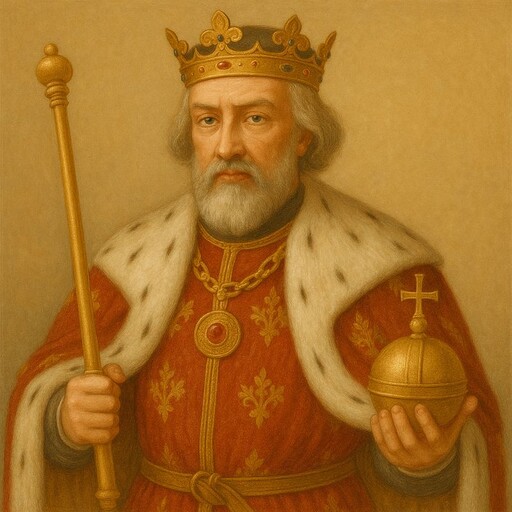
Henry IV
First Lancastrian king of England
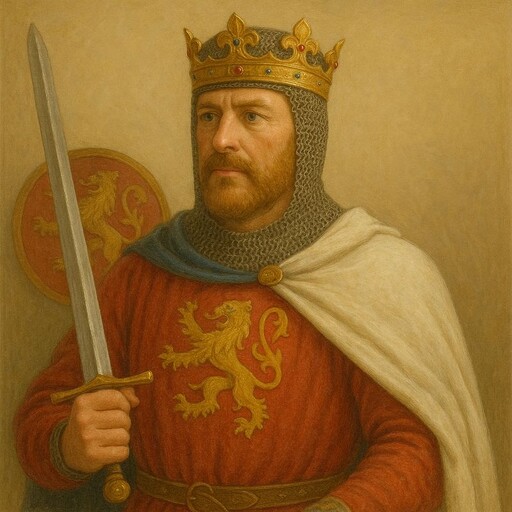
Richard I
A medieval king known for crusades
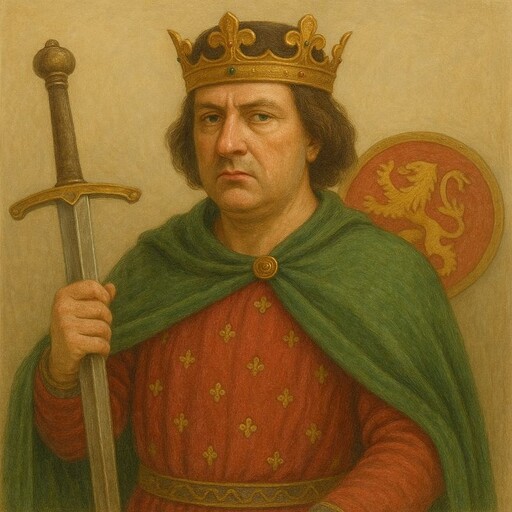
John Lackland
An English king with a troubled reign