Henry II of England was a king who ruled from 1154 to 1189 and began the Plantagenet line of kings. A line of kings is a group of rulers from the same family. Henry II became king after years of civil conflict known as the Anarchy, which happened because his mother, Empress Matilda, and King Stephen both claimed the throne. When Stephen died, Henry II took the crown and worked to bring stability back to England.
Henry II was born in 1133. His parents were Empress Matilda and Geoffrey of Anjou, a powerful noble from France. A noble is a high-ranking person who owns land and supports the king. As a young man, Henry already controlled large lands in France, including Anjou and Normandy. Normandy was an important region linked to earlier English kings. In 1152, Henry married Eleanor of Aquitaine, who brought even more land in France. These lands together formed a large area sometimes called the Angevin Empire.
One of Henry II’s most lasting achievements was his work to improve royal courts. A court is a place where judges decide legal cases. Henry created traveling judges who visited towns across England. These judges listened to local cases so people did not have to travel far. He also developed a system of written records to help keep legal decisions consistent. These changes helped form the basis of English common law, which is a legal tradition that uses past decisions to guide future ones.
Henry II is also remembered for his troubled relationship with Thomas Becket, the Archbishop of Canterbury. An archbishop is a senior church leader. Henry wanted clearer control over how priests were judged in legal matters. Becket disagreed strongly. Their conflict grew over time and became a national issue. In 1170, four knights who believed they were acting for Henry killed Becket in Canterbury Cathedral. A cathedral is a large and important church. After Becket’s death, Henry faced criticism, and he later performed public acts of apology.
Henry and Eleanor of Aquitaine had several sons, and family disputes caused further problems. Their sons sometimes fought against Henry with support from their mother or from French rulers. These family conflicts weakened Henry’s position in his later years. His son Richard eventually rose against him and later became King Richard I. Richard was also known as Richard the Lionheart.
Henry II died in 1189. He left behind a stronger and more organized kingdom, with improved laws and a powerful royal government. His rule marked the beginning of the Plantagenet dynasty, which continued for many generations. Learning about Henry II helps students understand how leadership, law, and family politics shaped medieval England.
Henry II
Level
readlittle.com
Founder of the Plantagenet dynasty
What We Can Learn
- Henry II was the first Plantagenet king of England.
- He improved royal courts and helped shape English common law.
- He had a major conflict with Thomas Becket.
- His sons’ rebellions weakened him late in his reign.
Related Reads
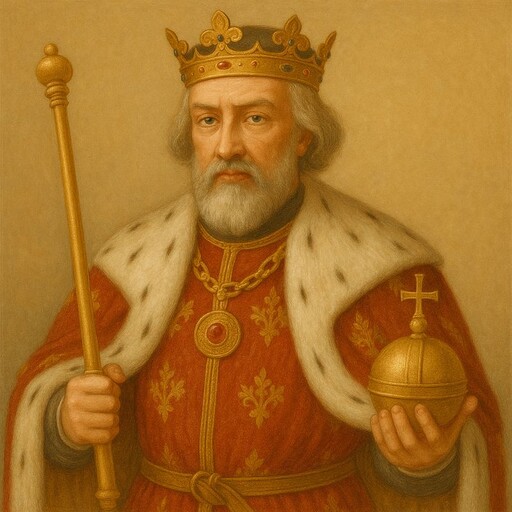
Henry IV
First Lancastrian king of England
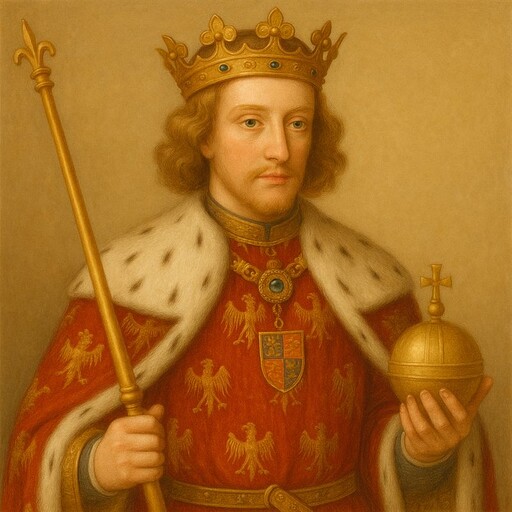
Richard II
Young medieval king of England

Chivalry
Medieval code for knights
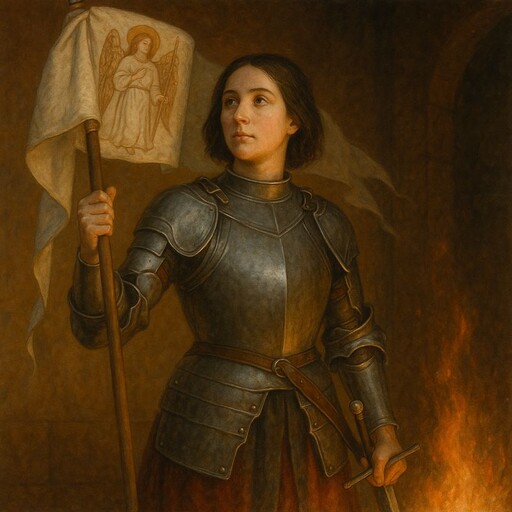
Joan of Arc
French figure in the Hundred Years' War
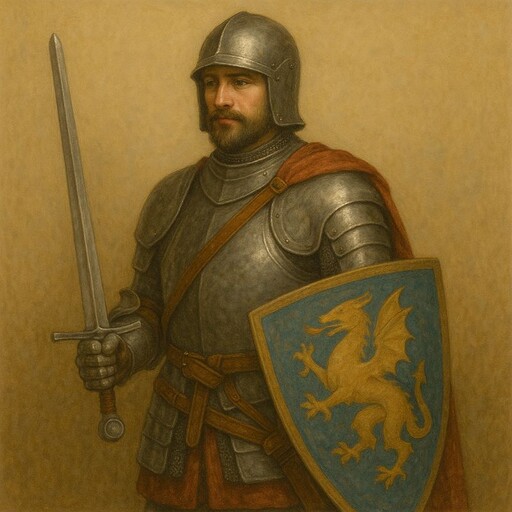
Knight
Medieval warrior on horseback

Hundred Years' War
Long conflict between England and France
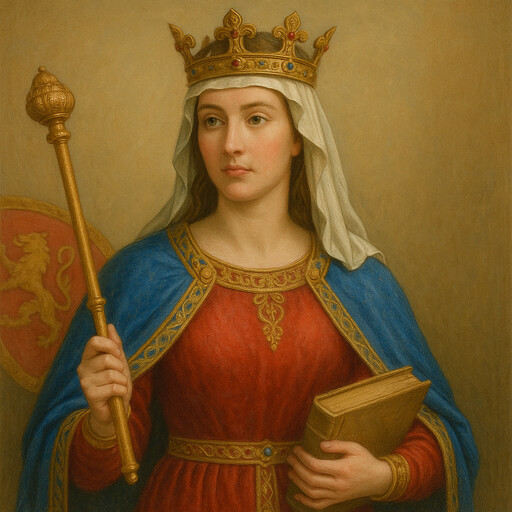
Empress Matilda
A royal claimant to England’s throne
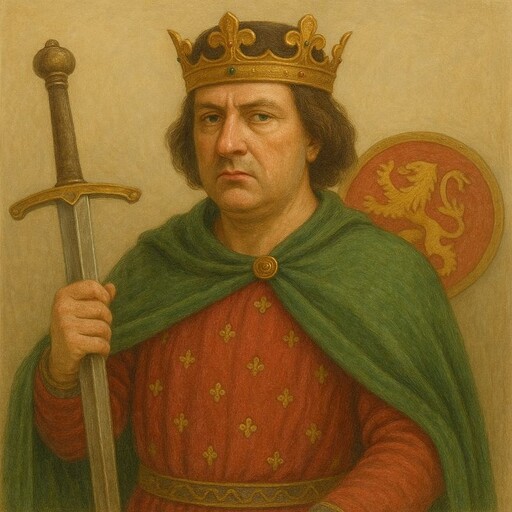
John Lackland
An English king with a troubled reign
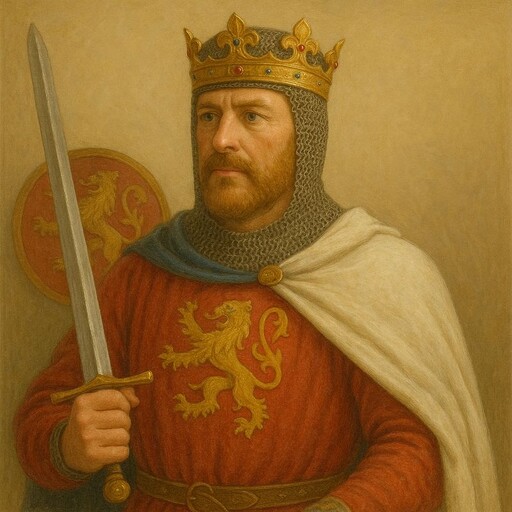
Richard I
A medieval king known for crusades

Magna Carta
A charter limiting a king’s power
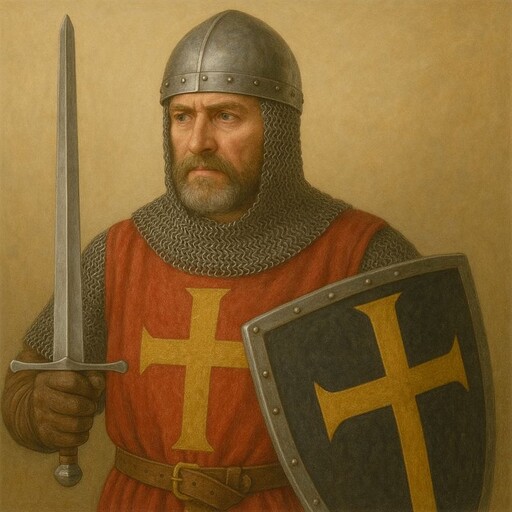
William Marshal
A loyal knight and royal advisor

Edward II
A troubled medieval English king