The Hundred Years' War was a long conflict fought between the kingdoms of England and France from 1337 to 1453. It did not last exactly one hundred years, but it continued for more than a century through many battles, truces, and changes in leadership. The main cause of the war was a dispute over who had the right to be the king of France, as well as disagreements over land controlled by English rulers inside France.
The war began during the rule of King Edward III of England. Edward III claimed that he had a right to the French throne because his mother was the daughter of a former king of France. A claim is a statement that someone believes they have a right to something. However, French leaders used a rule that said the throne could not pass through the female line. They chose King Philip VI as the next ruler. This disagreement over succession, which is the order in which rulers follow one another, helped lead to war.
Several major battles took place in the early years of the conflict. At the Battle of Crécy in 1346 and the Battle of Poitiers in 1356, English armies won important victories. These victories were partly due to the longbow, a tall wooden bow that could shoot arrows over long distances. Many French soldiers wore heavy armor, which is metal covering used for protection, but longbow arrows could still cause damage. During this period, the English captured King John II of France at Poitiers, which increased English control for some time.
The war changed again in the early 1400s under King Henry V of England. In 1415, Henry V won the Battle of Agincourt. His army was smaller than the French force, but the longbow played a key role once more. After this victory, the English took control of more land in northern France. Later, however, the French gained strength. A French figure named Joan of Arc supported Charles VII, who became king of France. She encouraged French armies and helped them win important battles, such as lifting the siege of Orléans in 1429.
After the time of Joan of Arc, the French continued to push back English forces. They improved their armies and used new weapons, including early forms of cannon. By 1453, the French won the last major battle of the war at Castillon. This defeat left the English holding only the port of Calais, and the long conflict came to an end. France kept control of its own lands, and England no longer claimed the French crown.
The Hundred Years' War involved many rulers and battles across a long period of European history. It changed how warfare was carried out, especially with the use of weapons like the longbow and cannon. It also affected the power of kings in both England and France as the conflict shaped the development of each kingdom.
Hundred Years' War
Level
readlittle.com
Long conflict between England and France
What We Can Learn
- The war was fought between England and France from 1337 to 1453.
- The conflict began over claims to the French throne and control of land.
- English victories at Crécy, Poitiers, and Agincourt were early turning points.
- The war ended when France regained most of its territory in 1453.
Related Reads
Battle of Waterloo
Napoleon’s final defeat
Battles of Lexington and Concord
First fighting of the American Revolution
War of the Austrian Succession
European war over imperial inheritance
War of the Spanish Succession
European war over Spanish throne
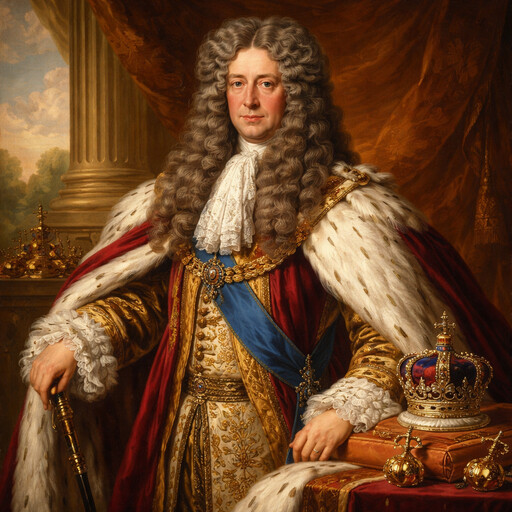
George I
First king of the House of Hanover
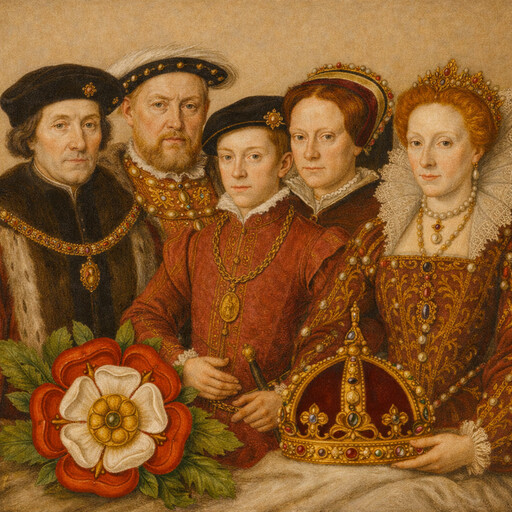
House of Tudor
Royal family of England and Wales

Robert the Bruce
King of Scots during independence wars
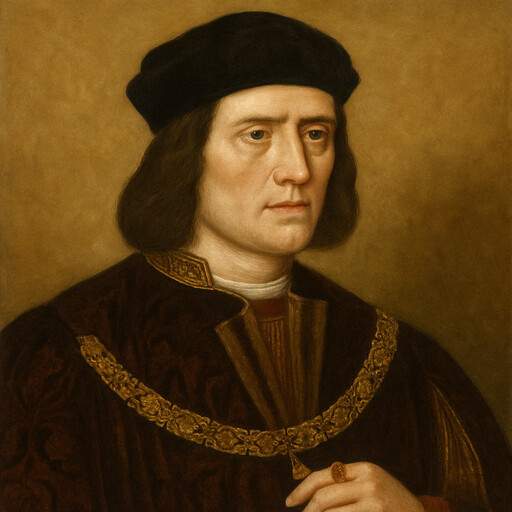
Richard III
Last king of the House of York
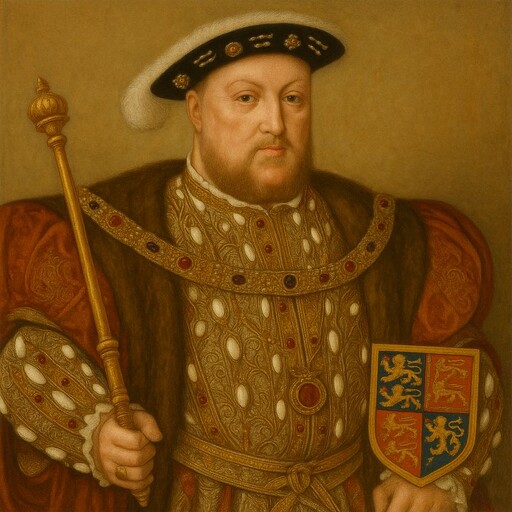
Henry VIII
Tudor king known for major reforms
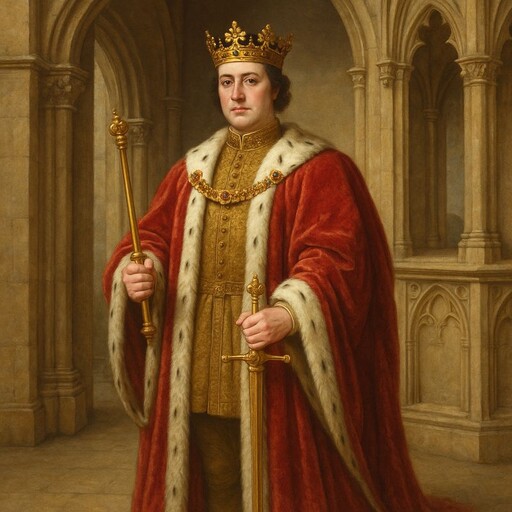
Edward IV
Yorkist king of England
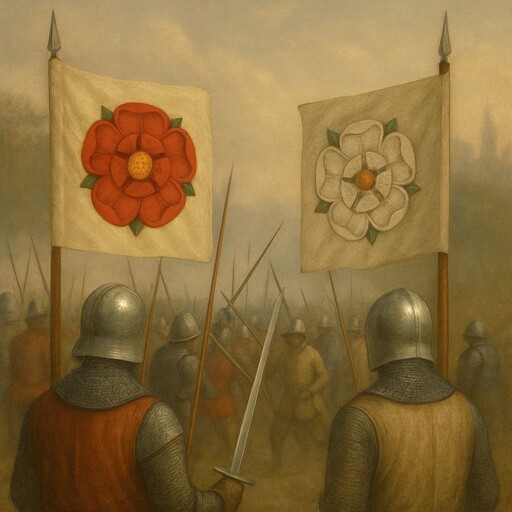
Wars of the Roses
English civil wars for the crown
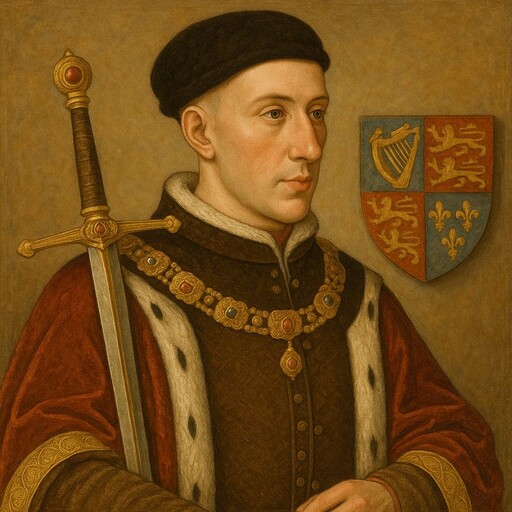
Henry V
English king during major battles