Chivalry was a set of customs and rules followed by knights in medieval Europe. A knight was a warrior who served a lord or king and fought on horseback. Chivalry described how a knight should behave in battle, in noble courts, and in everyday activities. These customs developed over many centuries and changed over time, especially between the 11th and 15th centuries.
Chivalry included rules about warfare. Knights were expected to fight with skill and to follow certain standards in battle. For example, knights often agreed not to attack someone who was unarmed. The idea of a code means a group of connected rules that guide actions. These rules were not written the same way everywhere, but many regions shared similar customs. Some leaders, such as King Richard I of England, supported the use of chivalric customs during military campaigns in the Crusades, which were a series of wars in the Middle Ages.
Chivalry also shaped how knights behaved in noble courts. A court was the place where a noble or king lived and worked. In these settings, knights were expected to show respect toward rulers and other nobles. They learned specific manners, which means accepted ways of speaking and acting. These manners included speaking politely, keeping promises, and showing care for the well-being of the household they served.
Stories and poems helped spread the idea of chivalry. Many medieval writers described knights who followed chivalric customs. A common example is the figure of King Arthur, a legendary ruler who appears in stories about knights and quests. A legend is a story passed down over time that may mix real events with imagination. Although King Arthur may not have been a real king, stories about him influenced how people thought knights should behave.
Another part of chivalry involved the idea of courtly love. This term described how knights were expected to behave toward noblewomen, especially in stories. A noblewoman was a woman from an important or high-ranking family. In these stories, a knight showed respect, loyalty, and service to a noblewoman. These expectations were mainly literary traditions, meaning they appeared in writing more often than in daily life.
Over time, chivalry changed as weapons, warfare, and societies changed. By the late Middle Ages, knights no longer played the same military role because armies began to use different types of soldiers and tools, such as early cannon. However, some customs of chivalry continued to appear in ceremonies, literature, and noble households. Today, the word chivalry is often used to describe polite or honorable behavior, but its medieval meaning referred to a more complex set of rules for knights.
Chivalry
Level
readlittle.com
Medieval code for knights
What We Can Learn
- Chivalry was a set of customs guiding knights in medieval Europe.
- It included rules for warfare, behavior in noble courts, and literary traditions.
- Stories such as those about King Arthur helped shape ideas of chivalry.
- The code changed over time as medieval society and warfare changed.
Related Reads
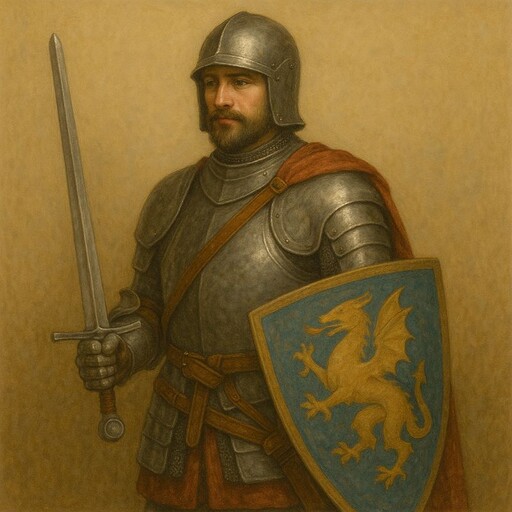
Knight
Medieval warrior on horseback
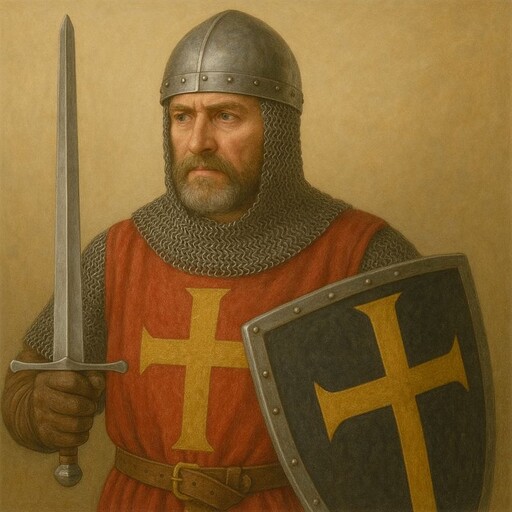
William Marshal
A loyal knight and royal advisor
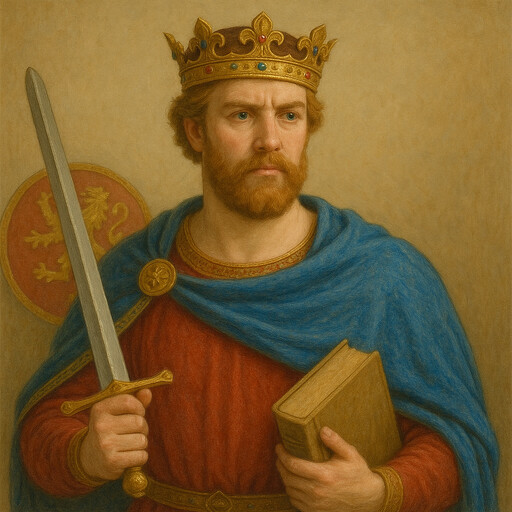
Henry II
Founder of the Plantagenet dynasty
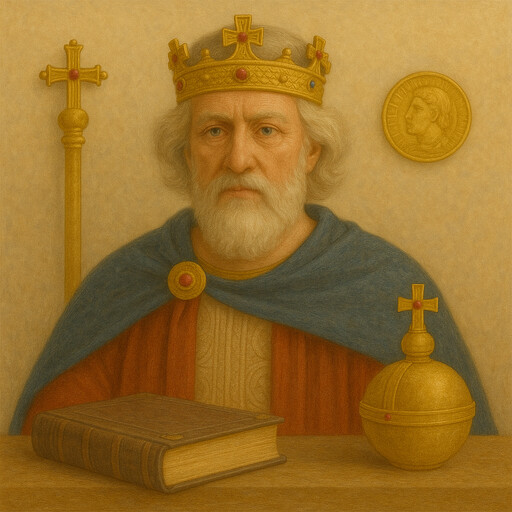
Edward the Confessor
An early English king and builder
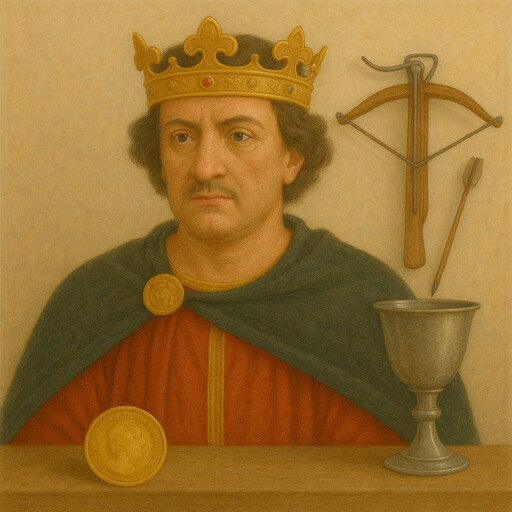
Henry I
A Norman king who shaped early England
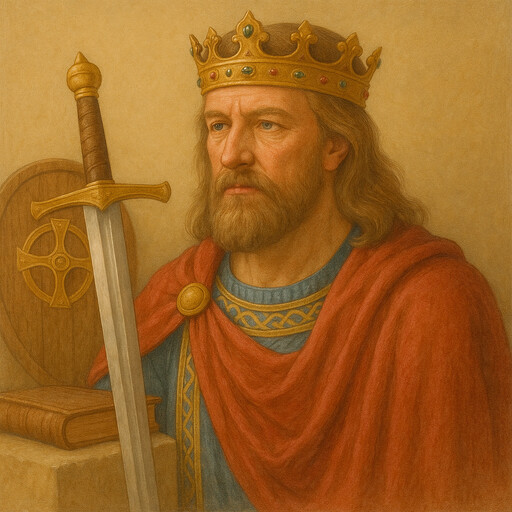
King Arthur
Legendary leader of early Britain
Law
Rules that organize and guide societies

Festival
A special time of celebration
Tradition
Practices and customs passed through generations

Culture
Ways of life shared by people
Constitution
The basic rules of a country