Richard II was king of England from 1377 to 1399. He became king when he was ten years old after the death of his grandfather, King Edward III. Because he was a child, older nobles and officials helped govern the kingdom during his early years. Richard II's reign was marked by political conflict, economic pressure, and tension between the king and powerful lords.
One of the first major events during his rule was the Peasants' Revolt of 1381. This revolt began when many workers and villagers protested new taxes and strict labour rules. Richard was only about fourteen years old when he met with the rebels at several locations in London. Their leaders included Wat Tyler and the preacher John Ball. The king promised to listen to their demands, but the situation changed quickly when Wat Tyler was killed during a meeting at Smithfield. After this, royal forces moved against the rebels, and the earlier promises were withdrawn.
Throughout his reign, Richard faced disagreements with some nobles, especially a group known as the Lords Appellant. These lords challenged his control and tried to limit his authority. At one point, they forced several of the king's close advisers from power. In the 1390s, Richard increased his control again and punished some of his opponents. Authority means the right or power to make decisions and enforce rules.
Richard II also spent time in Ireland, where he led military campaigns to strengthen English rule. While he was away, political problems grew in England. One of his cousins, Henry Bolingbroke, returned from exile to claim his lands that Richard had taken from him. Support for Henry increased quickly among nobles and common people. When Richard returned, Henry captured him and took control of the government.
In 1399, Richard II was forced to give up the crown. Henry Bolingbroke then became King Henry IV. Richard was taken to Pontefract Castle in northern England, where he died in early 1400. The exact cause of his death is not fully known, but many historians agree that he died in captivity. His fall from power marked the end of the direct line of the Plantagenet family that had ruled England for many generations.
Richard II is remembered as a king who came to the throne very young and faced great challenges. His reign shows the difficulties of ruling during a time of social unrest, political rivalry, and change within the English kingdom.
Richard II
Level
readlittle.com
Young medieval king of England
What We Can Learn
- Richard II became king at a young age in 1377.
- The Peasants' Revolt happened early in his reign.
- Conflicts with nobles, especially Henry Bolingbroke, weakened his rule.
- Richard II was removed from the throne in 1399 and died soon afterward.
Related Reads
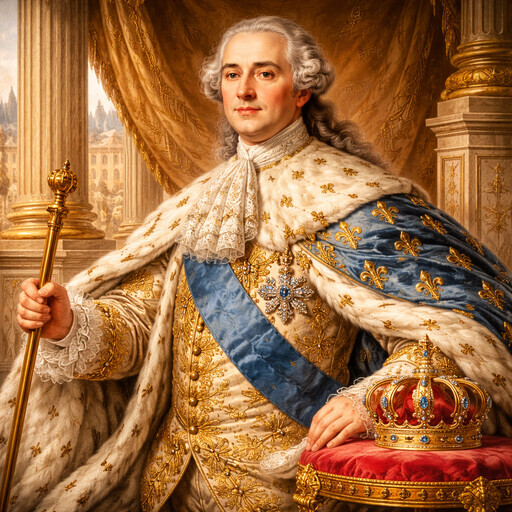
Louis XVI
Last king of France before revolution
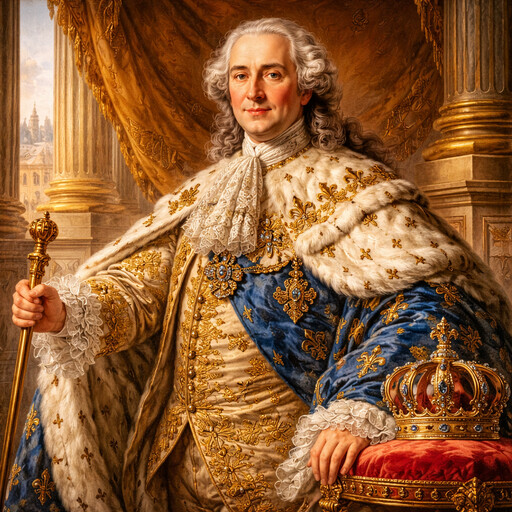
Louis XV
King of France in the 1700s
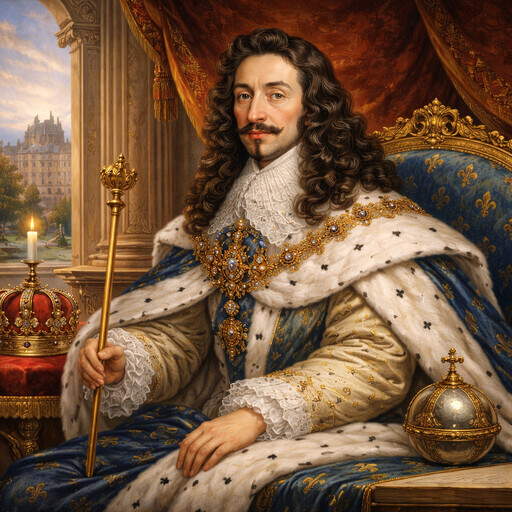
Louis XIII
King of France in the early 1600s
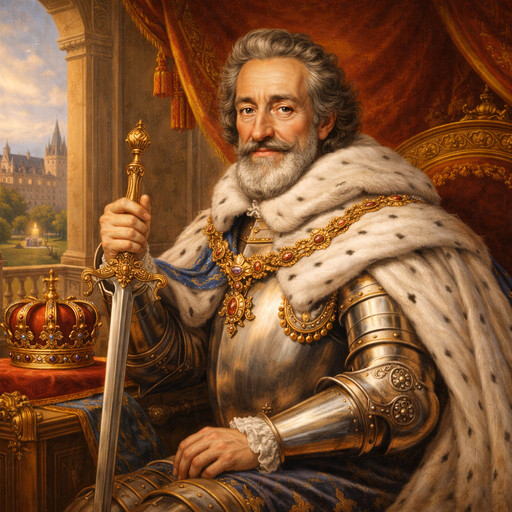
Henry IV of France
First Bourbon king of France
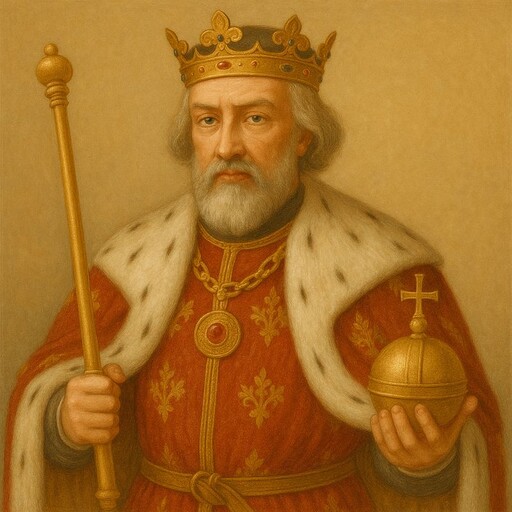
Henry IV
First Lancastrian king of England
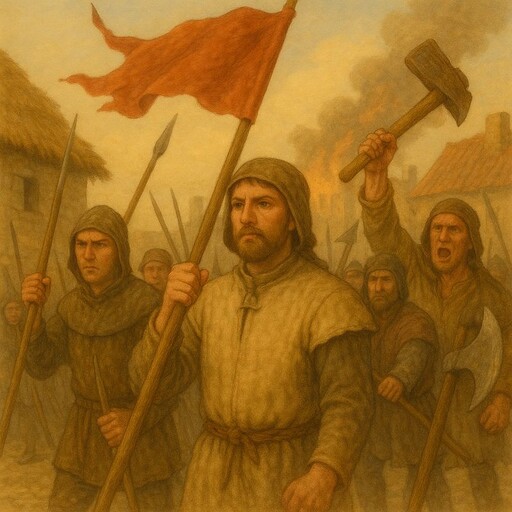
Peasants' Revolt
English uprising of 1381
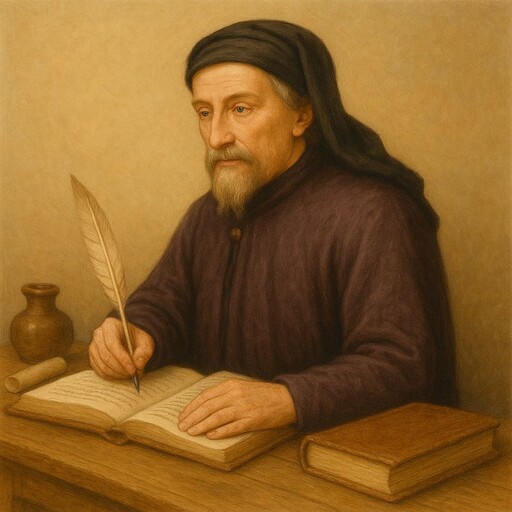
Geoffrey Chaucer
English poet of the Middle Ages
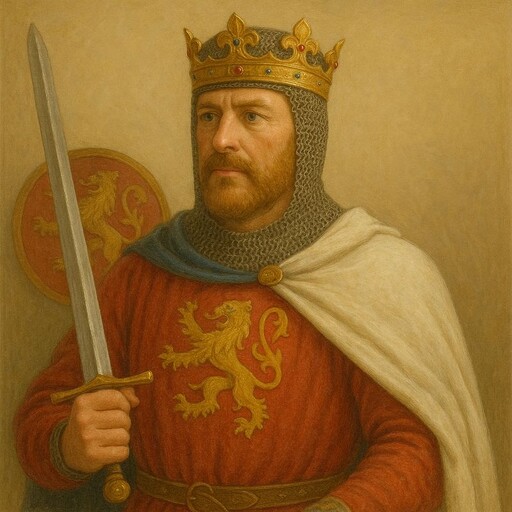
Richard I
A medieval king known for crusades
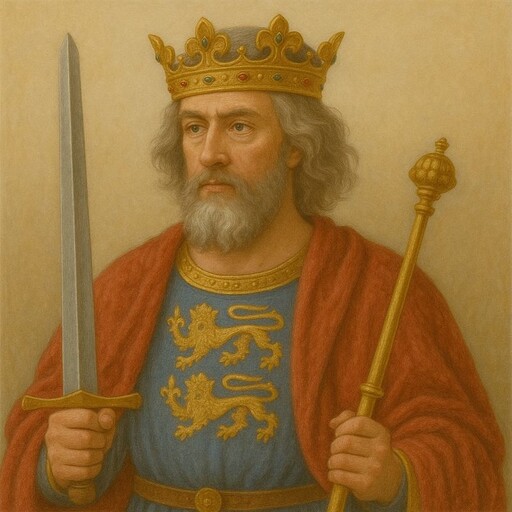
Edward III
A long-reigning medieval English king

Edward II
A troubled medieval English king
Magna Carta
A charter limiting a king’s power
Empress Matilda
A royal claimant to England’s throne