The Peasants' Revolt was a large uprising that took place in England in 1381. It involved many peasants, townspeople, and some skilled workers who were unhappy with new taxes and social pressures. A revolt is an open action taken by a group against the government or ruling powers. The Peasants' Revolt is also called the Great Rising. It is one of the most notable events in medieval English history.
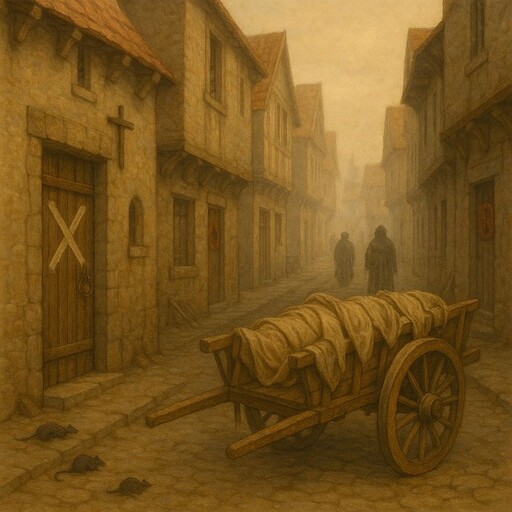
The revolt grew during a period of great difficulty after the Black Death, a plague that greatly reduced the population in the mid-1300s. With fewer workers available, many peasants expected improved conditions. However, the English government tried to control wages through a rule called the Statute of Labourers. At the same time, a new tax known as a poll tax was created. A poll tax is a tax that every adult must pay, no matter their income. Many poor villagers found this tax hard to pay, and anger spread across several counties.
In 1381, protests began in Essex and Kent. Leaders such as Wat Tyler and the preacher John Ball helped organize groups of peasants and townspeople. John Ball was known for saying short phrases about fairness, which many people repeated. The rebels marched toward London to present their demands. As they moved, some local officials and buildings linked with tax collection were attacked.
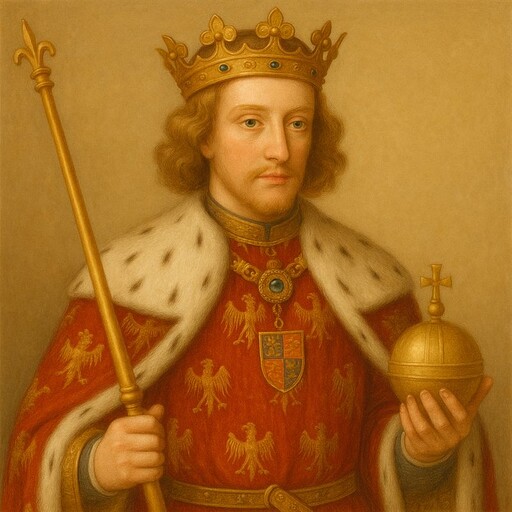
When the rebels reached London, the young king Richard II, who was about fourteen years old at the time, met with them at several locations. The rebels asked for changes to taxes, feudal duties, and the right to move more freely without a lord's control. Feudal duties were work or payments owed to a landowner under the medieval social system. For a short time, Richard II agreed to some of their requests in order to calm the crowds.
Events changed quickly when Wat Tyler met with the king and his advisers at a place called Smithfield. During the meeting, an argument broke out. Wat Tyler was killed by members of the king’s group. After this, King Richard II ordered his forces to move against the rebels. Many people returned home, and the promises made earlier were withdrawn. Several leaders and participants were later punished.
The Peasants' Revolt did not achieve the changes its leaders had demanded at the time. However, it showed the tensions that existed between landowners, the government, and the working population during the late Middle Ages. The revolt is remembered as an important sign of the unrest created by economic pressure, disease, and strict social rules in medieval England.
Peasants' Revolt
Level
readlittle.com
English uprising of 1381
What We Can Learn
- The Peasants' Revolt took place in England in 1381.
- It was caused by tax pressures, labour controls, and unrest after the Black Death.
- Key leaders included Wat Tyler and John Ball.
- King Richard II met the rebels but later moved against them after Tyler was killed.
Related Reads

Thomas Malthus
British thinker on population growth
Richard II
Young medieval king of England
Henry IV
First Lancastrian king of England
Black Death
Major plague in medieval Europe
Geoffrey Chaucer
English poet of the Middle Ages

Government
System for organizing and leading a country
Tariff
A tax on goods that cross borders