Henry IV of England was king from 1399 to 1413. He became king after removing his cousin, King Richard II, from the throne. Henry IV was the first ruler from the House of Lancaster, which was one branch of the Plantagenet family. Because he took the crown by force, he spent much of his reign working to protect his position and calm conflicts within the kingdom.
Henry IV was born in 1367 and was first known as Henry Bolingbroke. His father was John of Gaunt, a powerful noble and the third son of King Edward III. When Richard II took away Henry's lands and sent him into exile, Henry returned to England in 1399 with supporters. Richard was captured, and Henry became king. Exile means being forced to live away from one's home.
After taking the throne, Henry faced several rebellions. One major uprising came from the Percy family, an important noble family from northern England. The Percys had helped Henry gain the throne but later felt he did not reward them fairly. The conflict led to the Battle of Shrewsbury in 1403, where Henry's forces fought Henry "Hotspur" Percy. Hotspur was killed in the battle, and the revolt weakened.
Henry also faced unrest in Wales. The Welsh leader Owain Glyndŵr started a long revolt around 1400. His forces attacked English towns and castles, and the fighting continued for many years. Henry sent armies to Wales, but the revolt lasted through much of his reign. These conflicts required money and soldiers, which placed pressure on the king and his government.
As Henry grew older, he suffered from health problems. Some writers from the time described him as weak or ill in his final years, though the exact illness is not known. Because of this, his son, the future Henry V, began to take more responsibility in government. Henry IV died in 1413 and was buried at Canterbury Cathedral.
Henry IV's reign marked an important change in English history. He took power during a period of political tension and worked to secure the Lancastrian claim. His rule helped shape the events that later led to the rule of his son, Henry V, and the continuing struggles within the Plantagenet family.
Henry IV
Level
readlittle.com
First Lancastrian king of England
What We Can Learn
- Henry IV became king after removing Richard II.
- He was the first king from the House of Lancaster.
- His reign included major rebellions, such as the Percy revolt and the Welsh uprising.
- Henry IV ruled until 1413 and was followed by his son, Henry V.
Related Reads
Qing dynasty
Last imperial dynasty of China
Ming dynasty
Chinese dynasty from 1368 to 1644
Louis XVI
Last king of France before revolution
Louis XV
King of France in the 1700s
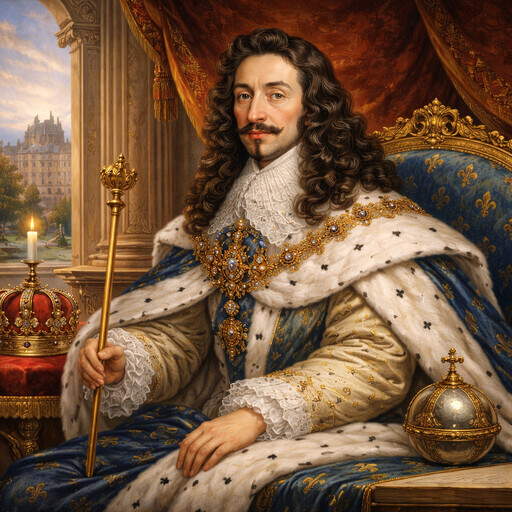
Louis XIII
King of France in the early 1600s
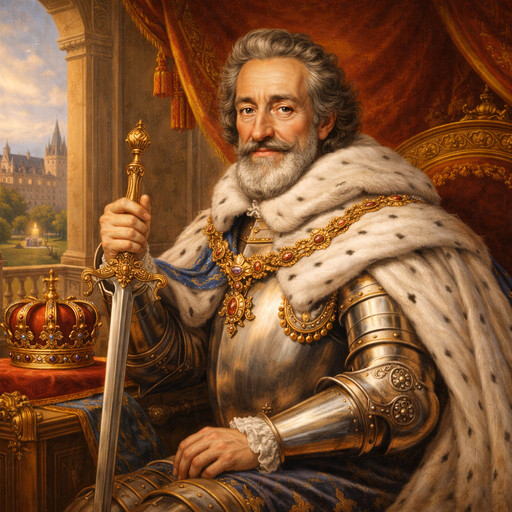
Henry IV of France
First Bourbon king of France

Yuan dynasty
Mongol-led dynasty of China
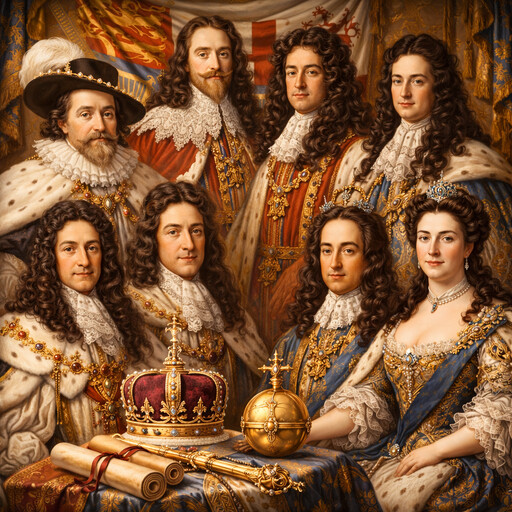
House of Stuart
Royal family of Britain and Scotland
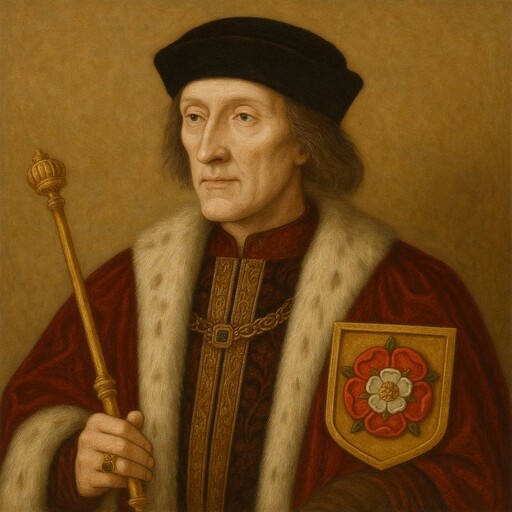
Henry VII
First Tudor king of England
Richard II
Young medieval king of England
Peasants' Revolt
English uprising of 1381

Edward II
A troubled medieval English king