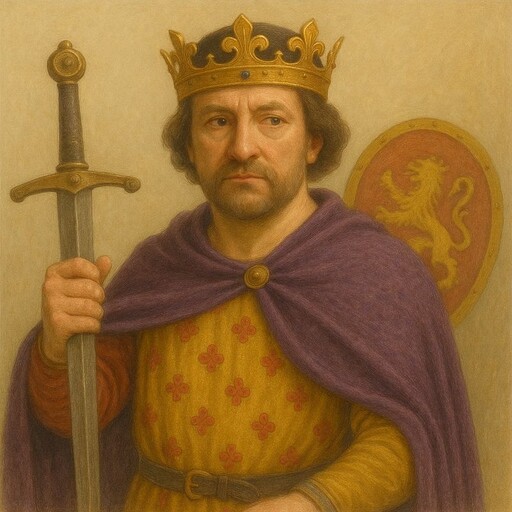
Edward II of England was a king who ruled from 1307 to 1327. He became king after the death of his father, Edward I of England. His reign is remembered for strong disagreements with nobles, military problems in Scotland, and his final removal from power. Edward II’s life shows how difficult it could be for a medieval ruler to keep support from both nobles and the army.
Edward II was born in 1284 in Caernarfon Castle. His birthplace later helped create the tradition of giving the title "Prince of Wales" to the heir to the throne. An heir is the person who will become the next ruler. As a young man, Edward was known for enjoying simple activities, such as rowing and working with tools, which some nobles thought were not suitable for a future king. These differences made it hard for him to build trust among powerful families.
During his reign, Edward II struggled with nobles who believed he gave too much power to his close friends. A noble is a high-ranking person who owns land and supports the ruler. One early conflict involved his friend Piers Gaveston, whom many nobles disliked. These tensions led to arguments, temporary exile for Gaveston, and even violence. Exile means being forced to live away from one’s home or country. These disputes weakened the unity of the kingdom.
Edward II also faced major military challenges. His father had fought long wars in Scotland, and Edward II tried to continue them. However, he suffered a major defeat at the Battle of Bannockburn in 1314. A battle is a fight between organized groups of soldiers. This defeat strengthened Scottish independence and reduced English control in the north. It also damaged Edward’s reputation with nobles who expected stronger leadership.
Later in his reign, Edward faced opposition from his wife, Queen Isabella, and a noble named Roger Mortimer. They gathered support and led a rebellion. A rebellion is an organized attempt to remove a leader. In 1327, Edward II was forced to give up the throne, or abdicate. He was replaced by his young son, who became Edward III of England. Edward II was held in custody and died later that year under unclear circumstances.
Edward II's reign is important for understanding how leadership, military success, and noble support shaped medieval politics. His difficulties showed how a king without strong alliances could lose power. His son, Edward III, would later rebuild royal authority and begin a long new period in English history.
Edward II
Level
readlittle.com
A troubled medieval English king
What We Can Learn
- Edward II ruled England from 1307 to 1327.
- He struggled with nobles who disliked his close advisers.
- He lost the Battle of Bannockburn, weakening English control in Scotland.
- He was forced to abdicate and was replaced by his son, Edward III.
Related Reads
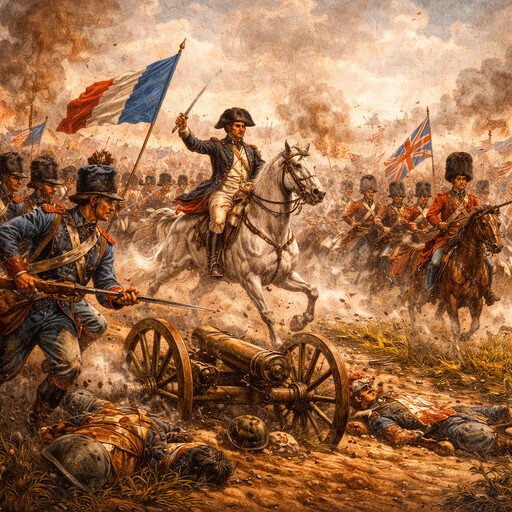
Battle of Waterloo
Napoleon’s final defeat

Battles of Lexington and Concord
First fighting of the American Revolution

Robert the Bruce
King of Scots during independence wars
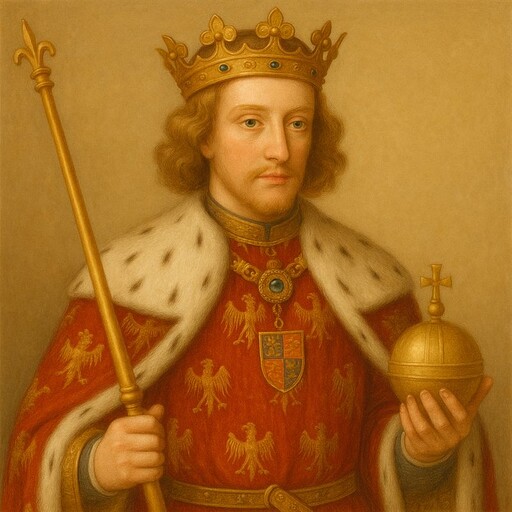
Richard II
Young medieval king of England
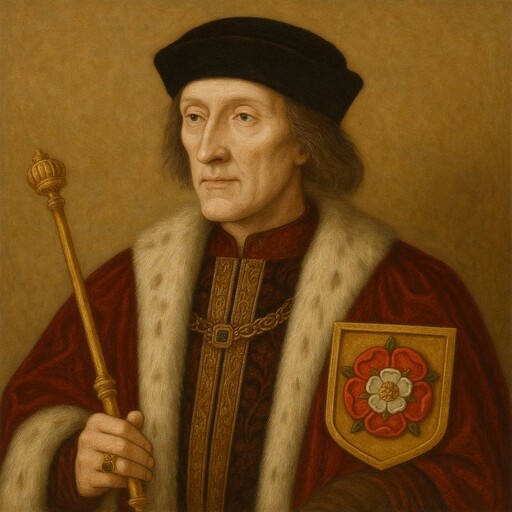
Henry VII
First Tudor king of England
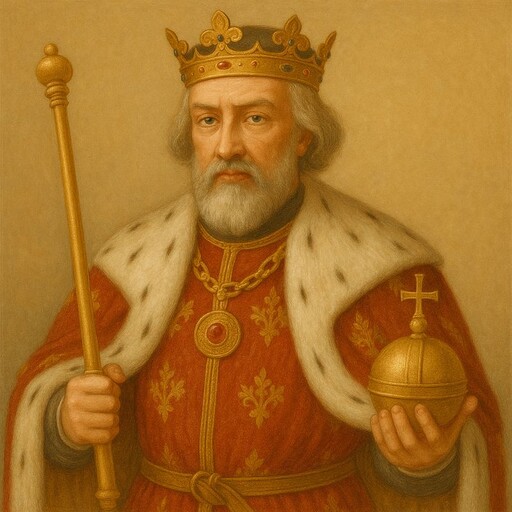
Henry IV
First Lancastrian king of England
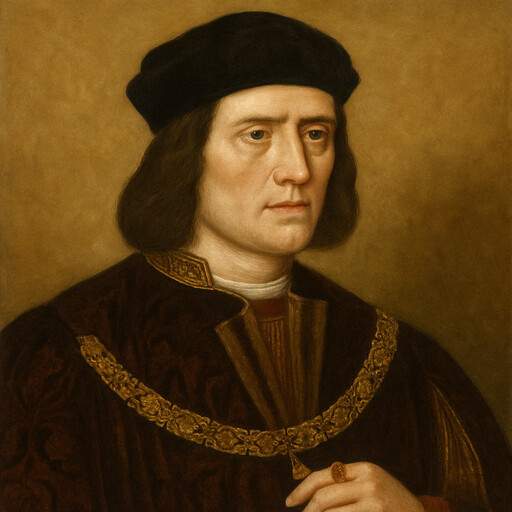
Richard III
Last king of the House of York
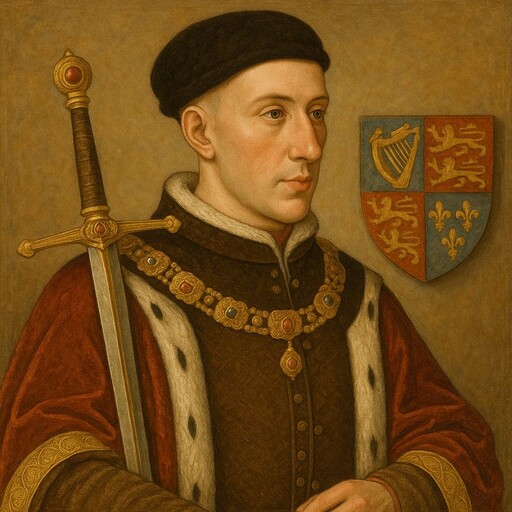
Henry V
English king during major battles
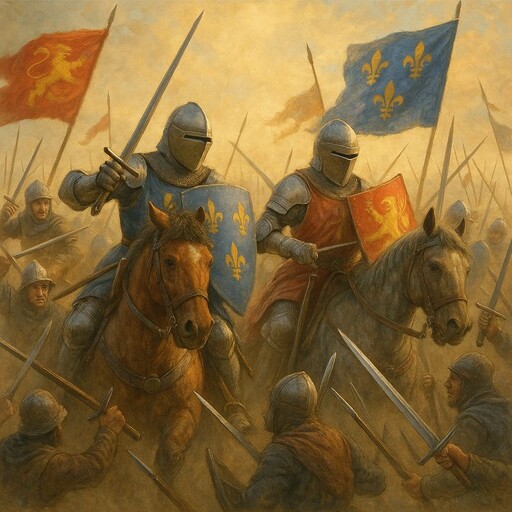
Hundred Years' War
Long conflict between England and France
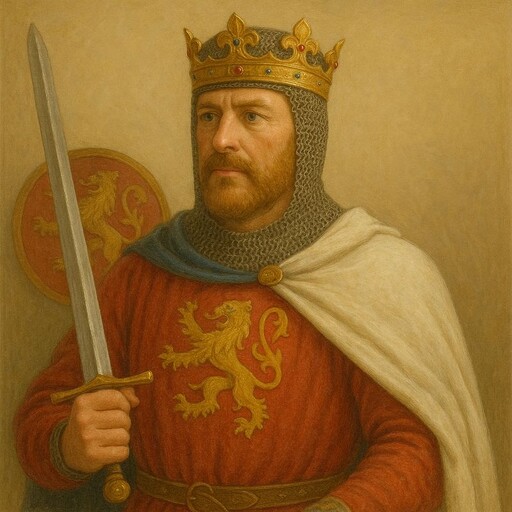
Richard I
A medieval king known for crusades
Stephen of Blois
A king during a time of civil war
Magna Carta
A charter limiting a king’s power