Matter is everything around us that takes up space and has mass. It includes all things we can see, touch, or feel, as well as things too small to see, like air. Matter makes up all living and nonliving things in the universe. Scientists study matter to understand how it behaves and changes under different conditions.
Matter exists in different states, or forms, depending on temperature and pressure. The three main states are solid, liquid, and gas. Solids, like rocks and wood, have a fixed shape and volume because their particles are packed closely together. Liquids, such as water or milk, have a definite volume but take the shape of their container because their particles move more freely. Gases, like air, have no fixed shape or volume and expand to fill the space they are in. Some substances can also exist as plasma, a high-energy state found in lightning or the sun.
All matter is made of tiny particles called atoms. Atoms are the building blocks of everything. They can join together to form molecules. For example, a water molecule is made up of two hydrogen atoms and one oxygen atom. The way atoms and molecules are arranged determines the properties of a substance, such as its hardness, color, or melting point.
Matter can change from one state to another through physical changes. When ice melts into water or water turns into vapor, its state changes, but it is still made of the same substance. These changes happen when energy, such as heat, is added or removed. In a chemical change, the type of matter itself changes. For instance, when wood burns, it turns into ash and gas, creating new materials.
The amount of matter in an object is measured as its mass, while the space it takes up is called its volume. Scientists use tools like balances to measure mass and containers or formulas to measure volume. The relationship between mass and volume determines a property called density, which explains why some objects float in water while others sink.
Matter follows physical laws that describe how it behaves. For example, the law of conservation of mass states that matter cannot be created or destroyed, only changed in form. This means that when something burns or melts, the total amount of matter stays the same. Understanding matter helps scientists and engineers design materials, build machines, and explore the natural world.
Matter
Level
readlittle.com
Everything that takes up space and has mass
What We Can Learn
- Matter is anything that has mass and takes up space.
- It exists mainly as solids, liquids, gases, and sometimes plasma.
- Atoms and molecules are the basic building blocks of all matter.
- Matter can change its form but is never created or destroyed.
Related Reads
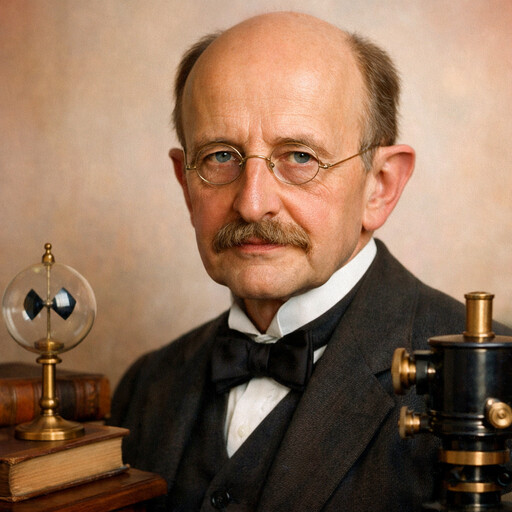
Max Planck
Founder of quantum theory
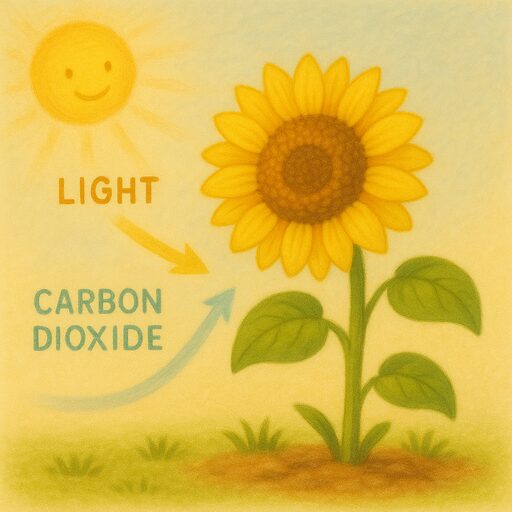
Photosynthesis
How plants make food using light

Prussia
Historic European state and kingdom
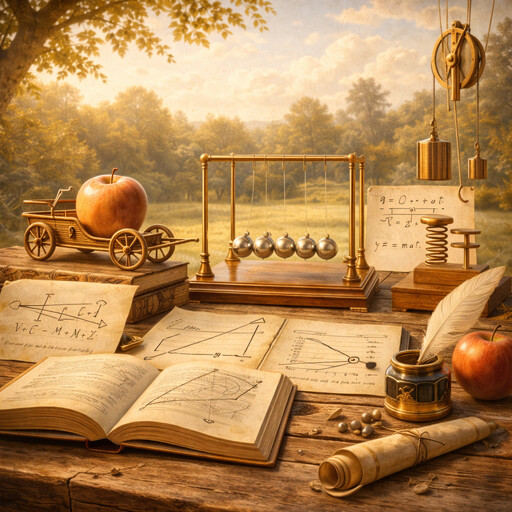
Newton's laws of motion
Three rules describing how objects move
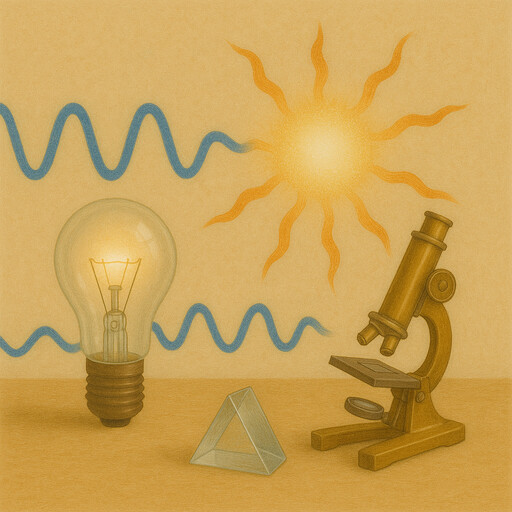
Photon
A tiny packet of light energy
North Sea
Sea between Britain and northern Europe
Venezuela
Caribbean coastline and oil-rich highlands
Paraguay
Landlocked nation of rivers and missions
Uruguay
Atlantic plains, mate culture, and modern policies
Ethiopia
Highland nation in the Horn of Africa

Morocco
Atlantic gateways and Atlas villages

Ghana
Gold Coast of cocoa and culture