Sense is a general word used to describe how living beings receive information from the world around them. A sense works when special parts of the body notice a change and send messages to the brain. These messages help the brain understand what is happening. In humans, senses allow people to notice light, sound, smell, taste, touch, and other changes. Without senses, people would not be aware of their surroundings or their own bodies.
Humans are often described as having five main senses. These are sight, hearing, smell, taste, and touch. Sight uses the eyes to notice light, color, and shape. Hearing uses the ears to notice sound and movement in the air. Smell uses the nose to notice chemicals in the air. Taste uses the tongue to notice flavors such as sweet or bitter. Touch uses the skin to notice pressure, heat, cold, and pain. Each sense has a special organ, such as the eye or ear, that is built to receive one kind of information.
Each sense works through a simple process. First, a stimulus appears. A stimulus is a change, such as light shining or a sound being made. Second, a sense organ detects the stimulus. Third, nerves carry signals from the sense organ to the brain. Nerves are long cells that send messages through the body. Finally, the brain processes the signals and forms an understanding. For example, when a bell rings, the ears detect sound waves, nerves send signals, and the brain understands that a sound has occurred.
In addition to the five main senses, humans have other senses that are less obvious. One example is the sense of balance, which helps people stay upright and move safely. This sense is controlled by parts inside the inner ear. Another example is the sense of body position, which helps people know where their arms and legs are without looking. These senses work quietly and continuously. They help with walking, running, and simple actions like picking up objects.
Senses do not work alone. The brain combines information from different senses to form a clear picture of the world. For example, when watching a person speak, sight shows lip movement while hearing provides sound. Together, these senses help the brain understand speech. Sometimes senses can give unclear or mixed signals. This can happen in low light or loud noise. In such cases, the brain may take longer to understand what is happening.
Senses can change over time. Injury, illness, or age can affect how well a sense works. For example, eyesight may become weaker with age, and hearing may change after long exposure to loud sounds. Scientists and doctors study senses to understand how the body and brain work together. This study helps explain how humans interact with their environment and respond to changes around them.
Sense
Level
readlittle.com
Ways humans receive information
What We Can Learn
- A sense helps the body receive information
- Humans have five main senses
- Senses send signals to the brain
- The brain combines information from senses
Related Reads
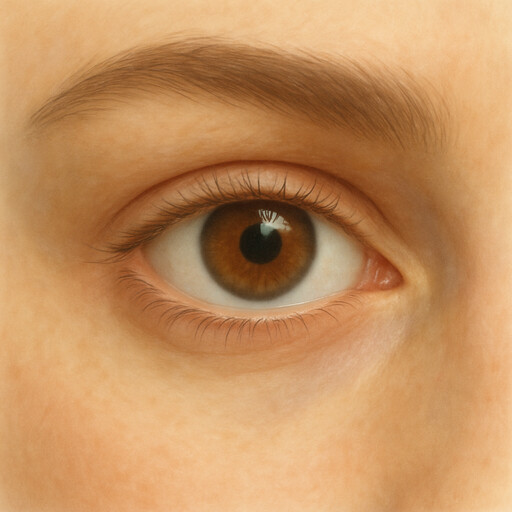
Eye
Organ used for seeing light
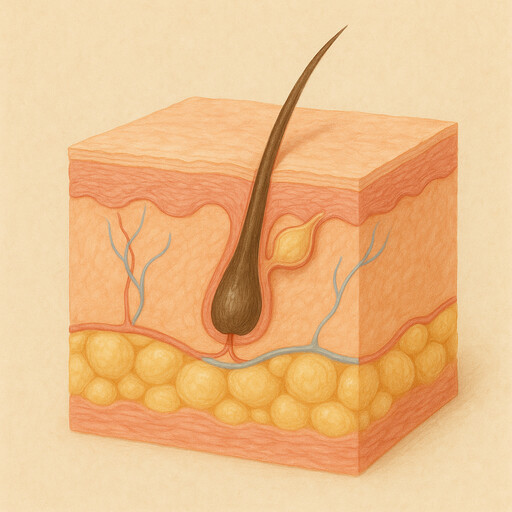
Skin
Outer covering of the human body

Paul Ehrlich
Pioneer of modern medical science

Natural selection
How living things change over time

Botany
The study of plants and plant life

Dormancy
A temporary state of inactivity

Photosynthesis
How plants make food using light

Nutrient
Substance needed for growth and life

Gregor Mendel
Monk who studied inheritance in plants

Ecology
Study of living things and environments

Plant
Living organism that makes its own food

Animal
Living organisms that eat other life