Boston is the capital of the U.S. state of Massachusetts and one of the oldest cities in the country. It sits on the Atlantic coast along Massachusetts Bay. The city was founded in 1630 by English settlers of the Massachusetts Bay Colony, led by John Winthrop. Early Boston was built on the Shawmut Peninsula, which limited space and shaped street patterns. Institutions such as the Boston Latin School, founded in 1635, and Harvard College in nearby Cambridge influenced early education and leadership.
Before European settlement, the area was home to the Massachusett tribe. English settlers established wooden houses, docks, and meetinghouses. In 1647, the Massachusetts General Court passed the Old Deluder Satan Act, a law requiring towns to provide schooling so children could read religious texts. Local government was managed through town meetings, where property-owning men voted on decisions. Boston grew as a port city trading fish, wood, and other goods with England and the Caribbean.
During the eighteenth century, Boston became a center of resistance to British rule. British troops were stationed in the city after the French and Indian War ended in 1763. Tensions led to the Boston Massacre on March 5, 1770, when soldiers fired on a crowd, killing five people including Crispus Attucks. In 1773, colonists organized the Boston Tea Party, destroying tea owned by the British East India Company. Parliament responded with the Coercive Acts, closing Boston Harbor. Fighting soon followed at the Battles of Lexington and Concord, and the Siege of Boston ended with British withdrawal in 1776.
After the American Revolution, Boston changed from a colonial town into an industrial city. It was incorporated as a city in 1822, replacing town meetings with a mayor and city council. The opening of the Erie Canal in 1825 reduced Boston’s trade routes, but factories producing textiles and shoes expanded. Large numbers of Irish immigrants arrived during the Great Famine of the 1840s, settling in neighborhoods such as South Boston. Religious institutions like the Cathedral of the Holy Cross reflected these population changes.
In the late nineteenth and early twentieth centuries, Boston expanded through land projects and infrastructure building. The Back Bay was created by filling tidal areas, allowing construction of buildings such as Trinity Church in 1877. Public systems for water and transport were developed. Events like the Boston Police Strike of 1919 brought national attention, involving Governor Calvin Coolidge. During World War II, the Boston Navy Yard supported military shipbuilding.
Later changes were shaped by government decisions and construction projects. School desegregation was ordered in 1974 in the case of Morgan v. Hennigan, leading to busing between neighborhoods. The Central Artery/Tunnel Project replaced an elevated highway with tunnels and created the Rose Kennedy Greenway. Landmarks such as the Massachusetts State House and Fenway Park continue to operate within the city’s defined civic structure.
Boston
Level
readlittle.com
An early American coastal city
What We Can Learn
- Cities change through decisions made over long periods of time.
- Laws and events can strongly affect daily life in a city.
- Movement of people shapes neighborhoods and institutions.
- Public projects can alter how a city is organized.
Related Reads
No image
Vienna
Capital city on the Danube River

Vilnius
Historic capital city of Lithuania

Henry Knox
American general and early government leader
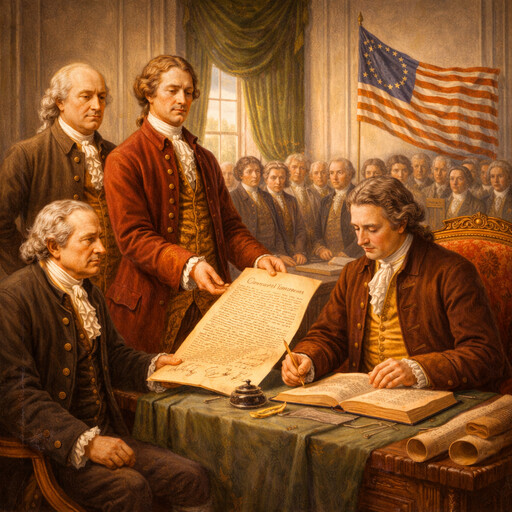
United States Declaration of Independence
Statement announcing separation from British rule
Manila
Capital city by a historic bay
Sarajevo
Capital city of Bosnia and Herzegovina
Saint Petersburg
Historic city in northwest Russia

Battles of Lexington and Concord
First fighting of the American Revolution
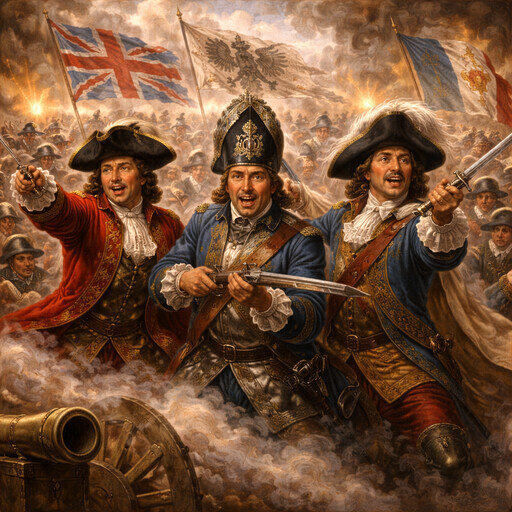
Seven Years' War
Global war fought in many regions
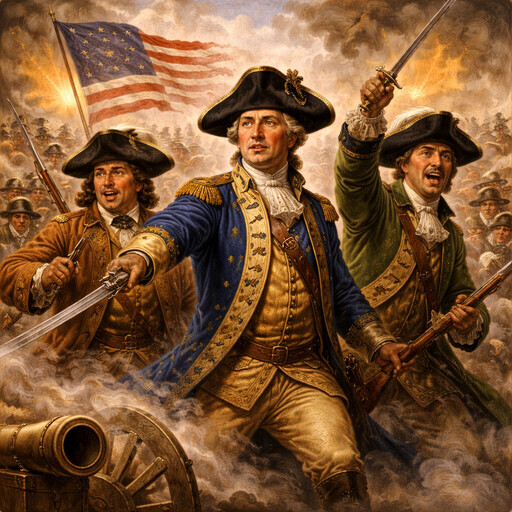
American Revolutionary War
War for independence from British rule
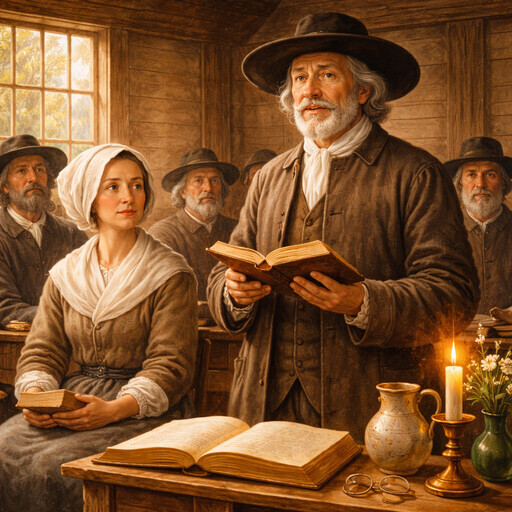
Quakers
Christian group founded in 1600s England

Paris
Capital city of France