Sarajevo is the capital city of Bosnia and Herzegovina, a country in southeastern Europe. The city lies in a valley surrounded by mountains, along the Miljacka River. Sarajevo has been an important settlement for many centuries. Its location made it a meeting point for different peoples, cultures, and religions. Today, Sarajevo is the political, cultural, and economic center of the country.
Sarajevo was founded in the 1400s during the rule of the Ottoman Empire. An empire is a large state ruled by one government over many regions. Under Ottoman rule, Sarajevo grew as a city with markets, bridges, mosques, churches, and synagogues. People of different religions lived close to one another. This mix of communities shaped the city’s daily life, buildings, and traditions.
In the late 1800s, Sarajevo came under the control of Austria-Hungary. This was a large European state that ruled several regions. During this time, new buildings, schools, and railways were built. European-style architecture appeared alongside older Ottoman structures. This period added another layer to the city’s appearance and culture.
Sarajevo became widely known in 1914 because of an important event. Archduke Franz Ferdinand of Austria-Hungary was assassinated in the city. An assassination is the killing of an important person for political reasons. This event helped trigger World War I, a large global conflict that lasted from 1914 to 1918. Because of this, Sarajevo is often mentioned in European history.
In the late 1900s, Sarajevo was affected by the breakup of Yugoslavia, a former country in the region. From 1992 to 1996, the city experienced the Siege of Sarajevo during the Bosnian War. A siege is a military action in which a city is surrounded and cut off. Many buildings were damaged during this time. After the war, Sarajevo began rebuilding and restoring its infrastructure.
Today, Sarajevo is a modern city with universities, museums, and cultural events. Historic areas stand next to newer neighborhoods. The city remains an important place in the Balkans, a region of southeastern Europe. Sarajevo’s long history continues to shape its role as a capital city.
Sarajevo
Level
readlittle.com
Capital city of Bosnia and Herzegovina
What We Can Learn
- Sarajevo is the capital of Bosnia and Herzegovina.
- The city has a history shaped by different empires.
- An event in Sarajevo in 1914 helped start World War I.
- The city was rebuilt after late 20th-century conflict.
Related Reads
No image
Boston
An early American coastal city
No image
Vienna
Capital city on the Danube River

Revolutions of 1848
Uprisings across Europe in 1848

Molotov–Ribbentrop Pact
Non-aggression agreement before World War II

Polish–Soviet War
War over borders after World War I
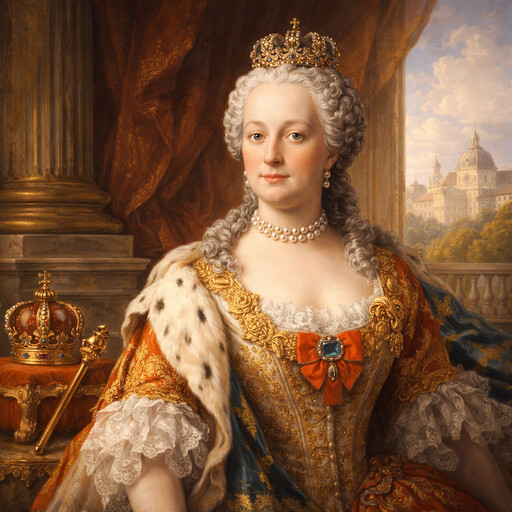
Maria Theresa
Powerful ruler of the Habsburg lands

Vilnius
Historic capital city of Lithuania

Munich Agreement
1938 agreement over Czechoslovak territory
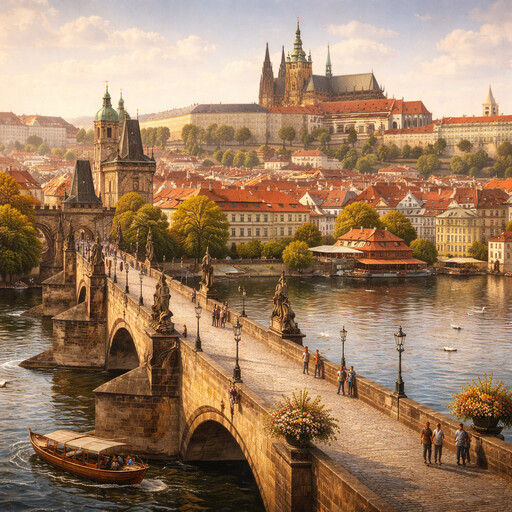
Prague
Historic capital city of the Czech Republic
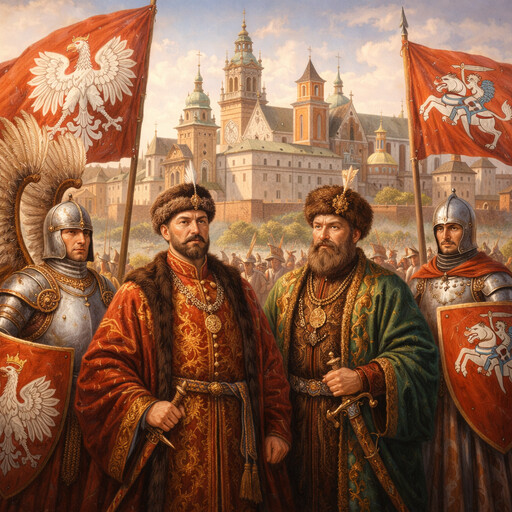
Polish–Lithuanian Commonwealth
A large early modern European state
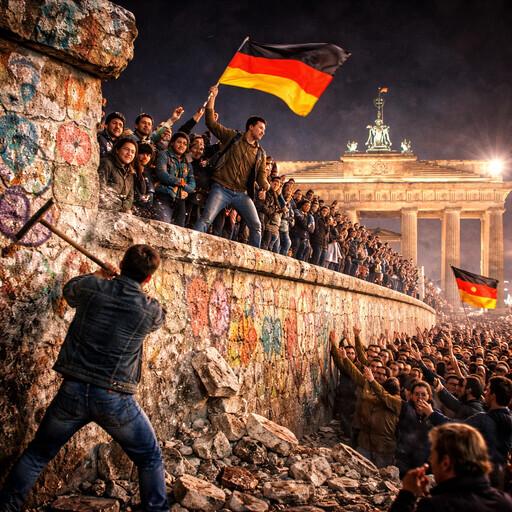
Fall of the Berlin Wall
End of Germany’s divided barrier
Peace of Westphalia
Treaties ending major European wars