Vilnius is the capital and largest city of Lithuania. It is located in the southeastern part of the country, near the Vilnia River, which flows into the Neris River. Vilnius has been an important city for many centuries. It has served as a political, cultural, and religious center in the region. Over time, many different peoples lived in the city. These included Lithuanians, Poles, Jews, Russians, and others. This mix shaped the city’s language, buildings, and traditions.
The early history of Vilnius begins in the Middle Ages. The first written mention of the city dates to 1323, in letters written by Grand Duke Gediminas. A grand duke was a ruler of the Grand Duchy of Lithuania. Gediminas invited craftsmen, traders, and scholars to settle in Vilnius. During this time, the city became the capital of the Grand Duchy of Lithuania. This state was one of the largest in Europe. Vilnius grew as a center of government and trade. Stone walls and castles were built to protect it.
In the 16th century, Vilnius became part of the Polish–Lithuanian Commonwealth. This was a state formed by the union of Poland and Lithuania. Vilnius remained an important city and became known for learning and religion. Vilnius University was founded in 1579. It is one of the oldest universities in Eastern Europe. The city also had many churches, monasteries, and synagogues. A synagogue is a Jewish house of worship. Because of its large Jewish population, Vilnius was sometimes called the “Jerusalem of the North.”
The city’s history changed many times because of wars and political shifts. In the late 18th century, the Polish–Lithuanian Commonwealth was divided by neighboring powers. Vilnius came under Russian control. During the 19th century, the city was part of the Russian Empire. Many uprisings took place as people tried to regain independence. After World War I, Vilnius became a disputed city. It was controlled by Poland for a time, even though Lithuania claimed it as its capital.
During World War II, Vilnius suffered great damage and loss of life. Nazi Germany occupied the city from 1941 to 1944. Most of the Jewish population was killed during the Holocaust. After the war, Vilnius became part of the Soviet Union as the capital of the Lithuanian Soviet Socialist Republic. Soviet rule lasted for many decades. During this period, the city expanded with new buildings and factories. However, political freedom was limited.
In 1990, Lithuania declared independence from the Soviet Union. Vilnius again became the capital of an independent Lithuania. Since then, the city has developed as a modern European capital. Its old town, with narrow streets and historic buildings, is a UNESCO World Heritage Site. UNESCO is an international organization that protects important cultural places. Today, Vilnius is a center of government, education, and culture. Its long history can still be seen in its streets, buildings, and communities.
Vilnius
Level
readlittle.com
Historic capital city of Lithuania
What We Can Learn
- Vilnius is the capital of Lithuania
- It was first mentioned in written records in 1323
- The city belonged to many states over time
- Vilnius has a long cultural and religious history
Related Reads
No image
Boston
An early American coastal city
No image
Vienna
Capital city on the Danube River
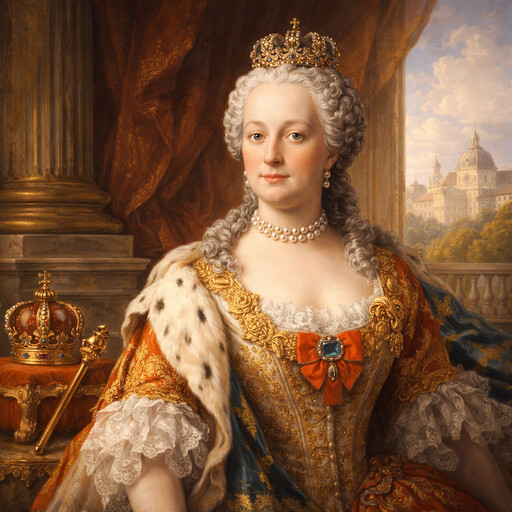
Maria Theresa
Powerful ruler of the Habsburg lands

Molotov–Ribbentrop Pact
Non-aggression agreement before World War II

Revolutions of 1848
Uprisings across Europe in 1848

Munich Agreement
1938 agreement over Czechoslovak territory

Polish–Soviet War
War over borders after World War I
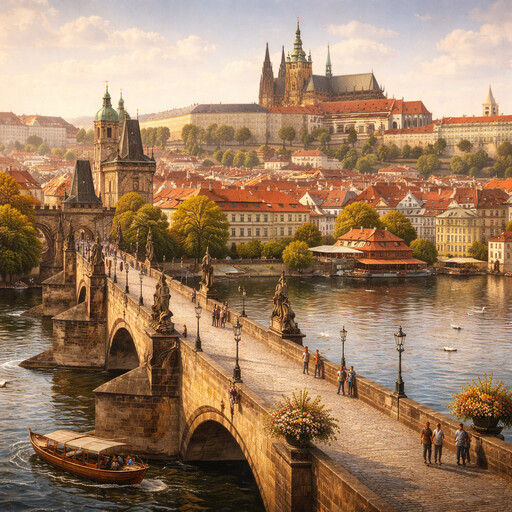
Prague
Historic capital city of the Czech Republic
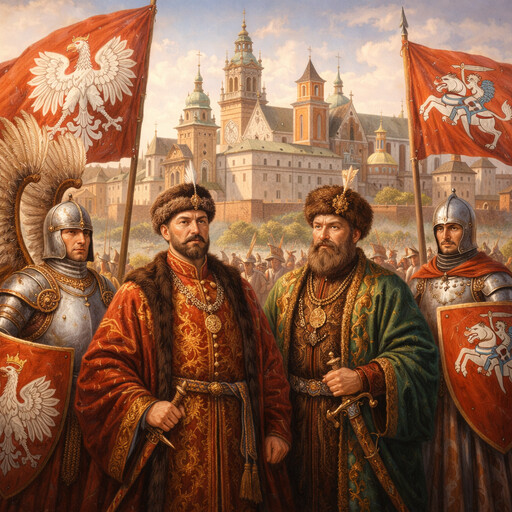
Polish–Lithuanian Commonwealth
A large early modern European state
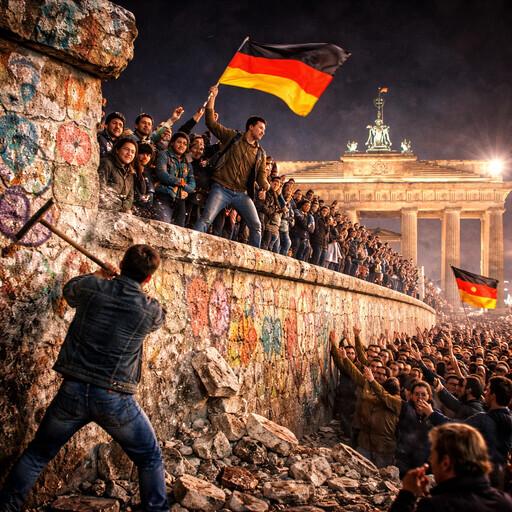
Fall of the Berlin Wall
End of Germany’s divided barrier
Peace of Westphalia
Treaties ending major European wars

Johannes Gutenberg
Inventor of movable-type printing in Europe