Vienna is the capital city of Austria and stands along the Danube River in central Europe. The river supported trade and travel and helped the city grow. Vienna is divided into 23 districts, each used for local administration. The city government meets at Vienna City Hall, finished in 1883.
The first known settlement was the Roman camp Vindobona, built in the 1st century CE. It protected the Roman border, called the limes. After Roman rule ended, Slavic and Bavarian settlers lived in the area. The name Wien appeared in records from 881 CE.
In the Middle Ages, Vienna was ruled by the Babenberg dynasty. Duke Henry II Jasomirgott made it his residence in 1155. St. Stephen’s Cathedral was built and later expanded in Gothic style. In 1278, the Habsburg family took control of the city.
Vienna became an imperial residence with palaces like the Hofburg. The city survived Ottoman attacks, including the Siege of Vienna in 1683. In the 19th century, the Ringstrasse replaced old walls and new buildings were constructed. After World War I, Vienna became the capital of the Republic of Austria.
Vienna
Level
readlittle.com
Capital city on the Danube River
What We Can Learn
- Cities often grow near rivers because of trade and transport.
- Political borders and rulers can change, but cities remain.
- Wars and treaties strongly affect how cities develop.
- Urban planning can reshape how people live together.
Related Reads
No image
Boston
An early American coastal city
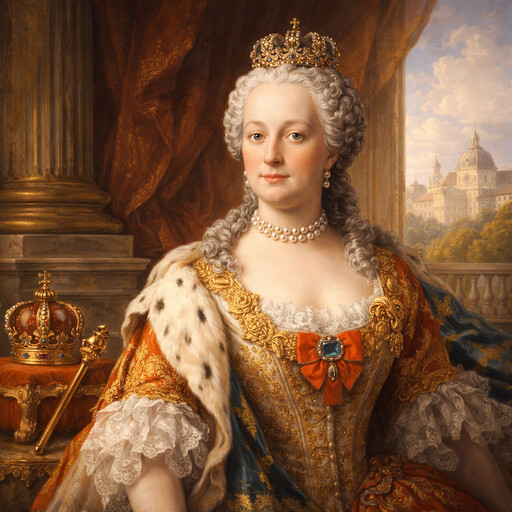
Maria Theresa
Powerful ruler of the Habsburg lands

Vilnius
Historic capital city of Lithuania

Revolutions of 1848
Uprisings across Europe in 1848

Molotov–Ribbentrop Pact
Non-aggression agreement before World War II

Polish–Soviet War
War over borders after World War I

Munich Agreement
1938 agreement over Czechoslovak territory
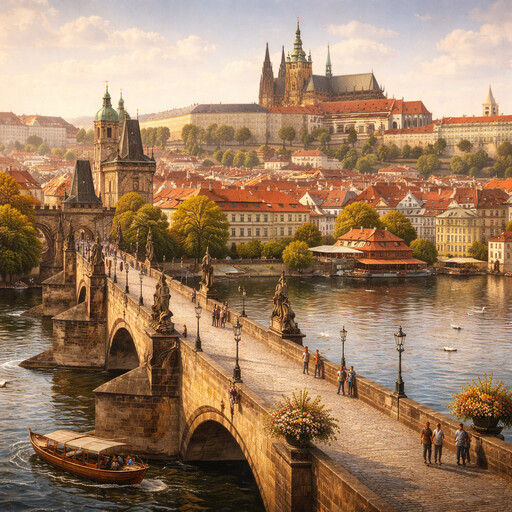
Prague
Historic capital city of the Czech Republic
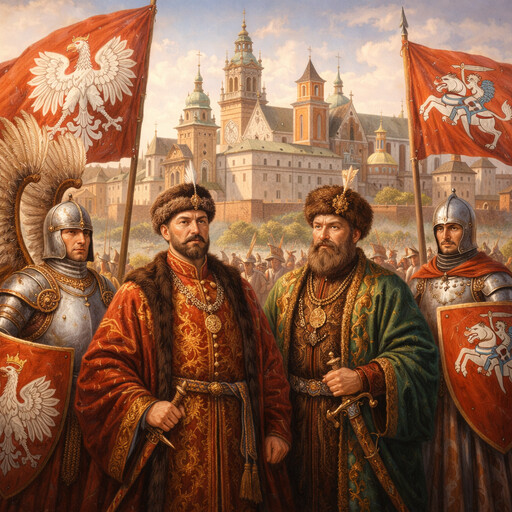
Polish–Lithuanian Commonwealth
A large early modern European state

Fall of the Berlin Wall
End of Germany’s divided barrier
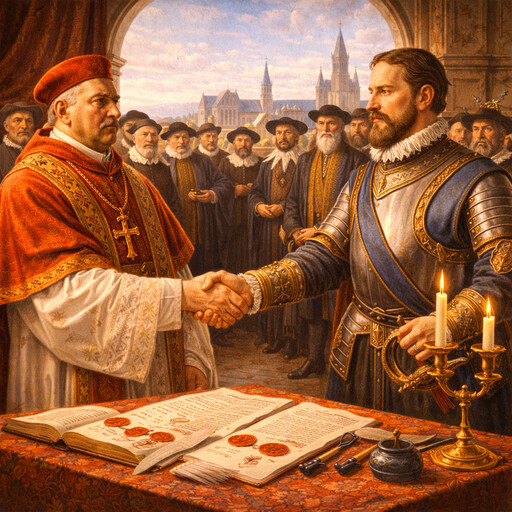
Peace of Westphalia
Treaties ending major European wars
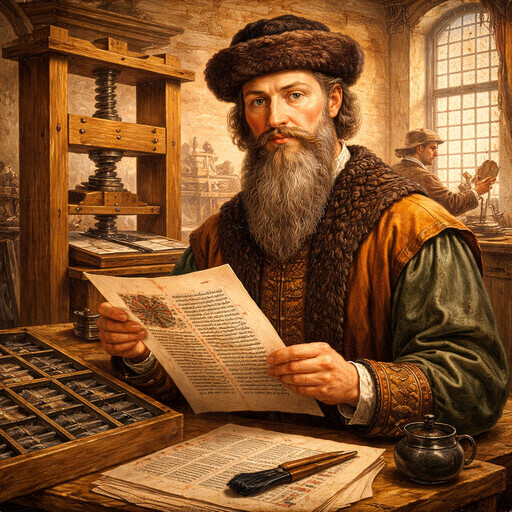
Johannes Gutenberg
Inventor of movable-type printing in Europe