Chicken domestication began thousands of years ago in Southeast Asia, where red junglefowl scratched through forest litter for seeds and insects. Traders carried tame birds across Asia, Africa, and Europe, and today chickens outnumber every other domestic animal. Hens lay eggs almost daily during peak seasons, while roosters guard the flock with sharp eyes and crowing alarms. A chicken’s sturdy beak and clawed feet scratch soil to find worms and aerate garden beds, making them natural pest controllers.
Chickens regulate body temperature with feather fluffing, dust baths, and shaded roosts. Dust bathing removes parasites and keeps feathers clean. At night, birds hop onto elevated perches for safety and warmth, pressing close to flock mates. Hens communicate with over 20 vocalizations, from clucks that summon chicks to egg songs that announce a fresh-laid surprise. Roosters use sharp alarm calls and wing flapping to warn of hawks, and many birds take cover under shrubs or coop roofs when they hear the alarm.
Healthy flocks need balanced diets of grains, protein, and greens plus constant access to fresh water. Calcium-rich supplements like crushed oyster shells keep eggs strong. Coop designs should include ventilation, predator-proof wire, and nest boxes lined with straw. Backyard keepers rotate pasture areas so chickens fertilize soil without stripping grass completely. Compost piles thrive when hens stir manure and bedding, speeding decomposition and returning nutrients to gardens.
Chicken reproduction can be natural or managed with incubators. Broody hens stop laying and sit on eggs for 21 days, turning them regularly to distribute heat. After hatching, chicks stay under the hen’s wings for warmth, then begin exploring feeders and waterers. Hatcheries vaccinate chicks against diseases such as Marek’s while farmers maintain biosecurity by cleaning boots, quarantining new birds, and deterring wild carriers of pathogens.
Chickens show impressive cognitive skills, recognizing flock mates, solving simple puzzles, and remembering food locations. Children learn responsibility by feeding hens, counting eggs, and recording growth rates. Communities raise heritage breeds to preserve genetics, while scientists study chicken embryos to understand vertebrate development. Whether on large farms or urban patios, chickens connect people to food systems and remind us that humble birds keep dinner tables supplied worldwide.
Chicken
Level
readlittle.com
Barnyard birds powering global kitchens
What We Can Learn
- Chickens originated from junglefowl and now provide eggs, meat, and pest control.
- Flocks communicate with diverse vocalizations and dust-bathe to stay healthy.
- Proper housing, nutrition, and biosecurity keep birds productive and disease-free.
- Caring for chickens teaches responsibility and preserves agricultural heritage.
Related Reads
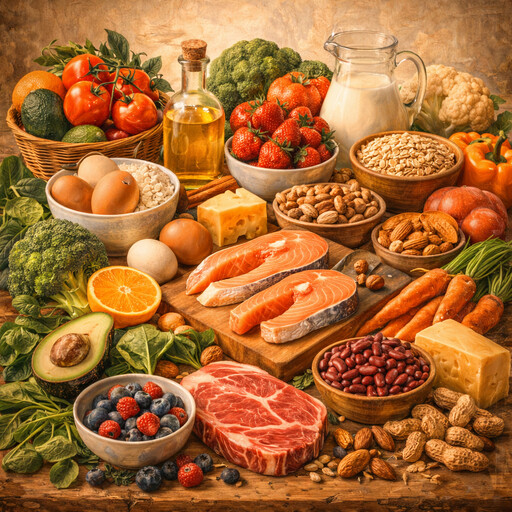
Nutrient
Substance needed for growth and life

Plato
A thinker of ancient Athens

Socrates
A thinker of ancient Athens

Aristotle
A thinker of ancient Greece
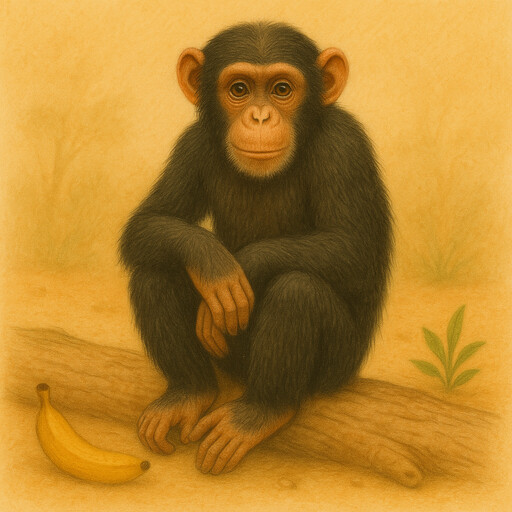
Chimpanzee
Inventive problem-solvers of African forests
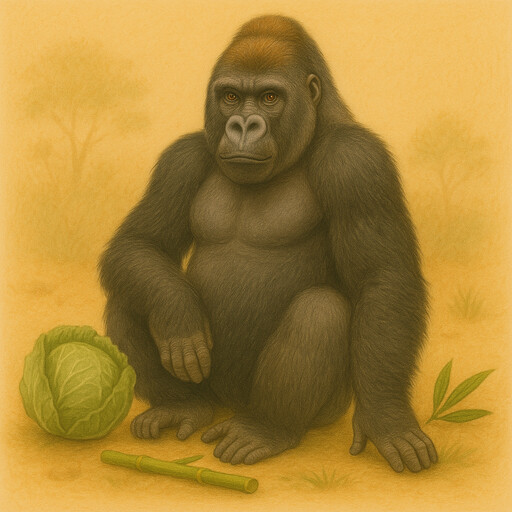
Gorilla
Forest gardeners with gentle strength

Alfred the Great
King of Wessex who defended England

Gelada
Grass-eating monkeys of the highlands
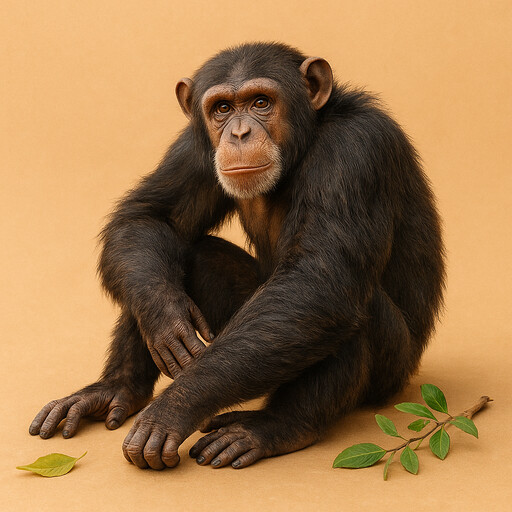
Ape
Tailless primates with flexible minds

Baboon
Savanna troubleshooters

Gibbon
Singing acrobats of the canopy

Orangutan
Solitary engineers of the canopy