Tradition is a way of thinking, acting, or celebrating that is handed down over time. It includes customs, stories, celebrations, and practices that people repeat within families, communities, or societies. Traditions can be about daily life, holidays, ceremonies, or even ways of greeting one another. They often help people feel connected to their past and to one another.
Traditions can take many forms. Some are cultural, such as traditional clothing, songs, or dances. Others are religious, like festivals, prayers, or rituals. There are also national traditions, such as independence days or parades that mark important events in a country’s history. Family traditions, like eating special foods at certain times or celebrating birthdays in a particular way, are often passed down from parents to children.
Traditions often include symbols and rituals that carry special meanings. For example, lighting candles during certain holidays or giving gifts during festivals can represent hope, love, or friendship. These repeated actions help people remember stories or beliefs that have been part of their group for a long time. In some cases, traditions change slightly as new generations add their own ideas, but the core meaning stays the same.
The study of traditions is part of anthropology and cultural studies. Anthropologists study how traditions start, spread, and change over time. They also look at how traditions differ among societies. For example, harvest festivals are celebrated in many parts of the world, but each culture may use different foods, songs, or decorations to mark the event. Traditions can travel between places as people move and share their customs.
Not all traditions are ancient—some begin in modern times. For example, watching fireworks on New Year’s Eve or singing a national anthem before sports events are newer traditions that have become common in many places. Traditions can also fade away when people stop practicing them or when societies change quickly.
Traditions are part of human culture and help tell the story of who people are and where they come from. They can express identity, mark time, and bring people together through shared experience and memory.
Tradition
Level
readlittle.com
Practices and customs passed through generations
What We Can Learn
- Traditions are customs or beliefs passed through generations.
- They can be cultural, religious, national, or family-based.
- Traditions may change or evolve while keeping their meaning.
- Studying traditions helps understand people and cultures around the world.
Related Reads

Johann Gottfried Herder
German thinker of culture and language
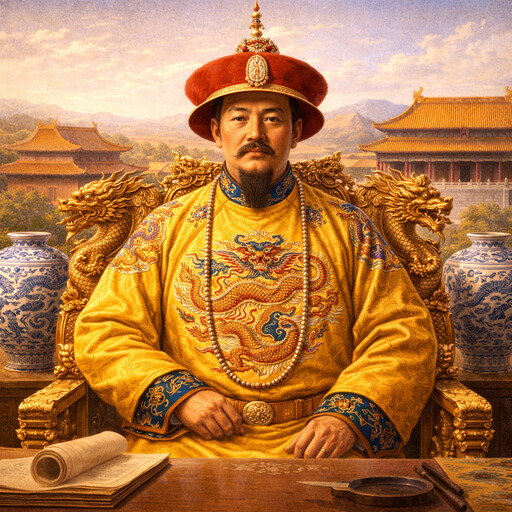
Ming dynasty
Chinese dynasty from 1368 to 1644
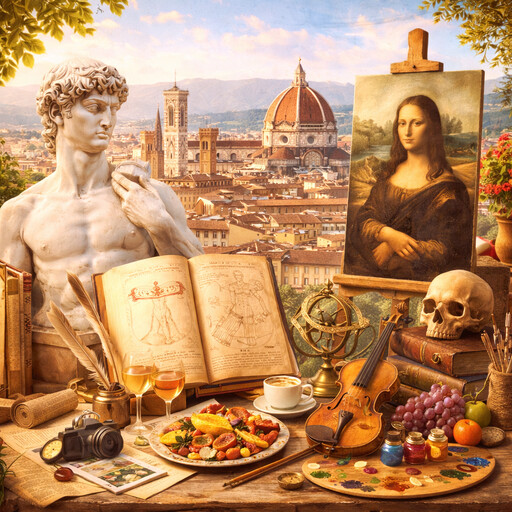
Renaissance
Period of cultural change in Europe
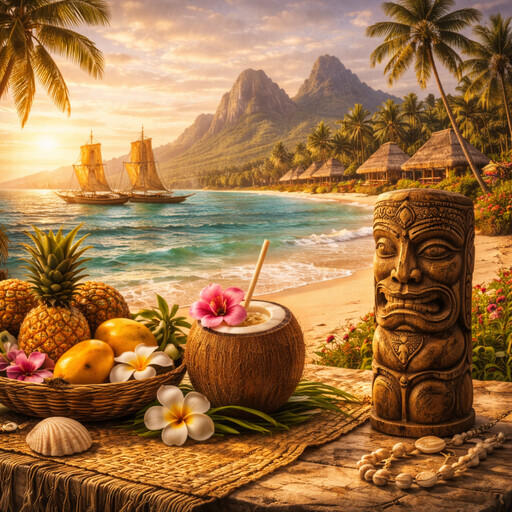
Polynesia
Island region of the Pacific Ocean
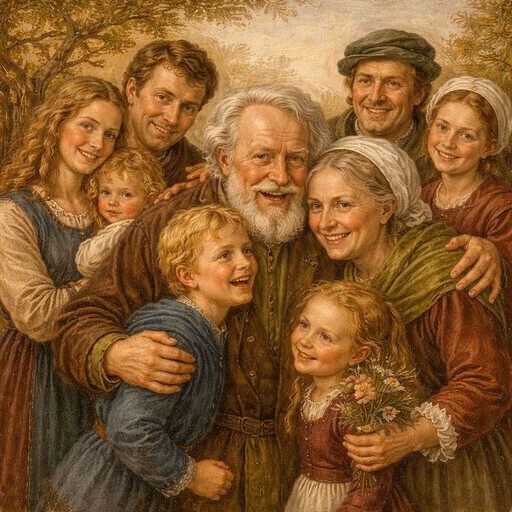
Kinship
Family relationships and social ties
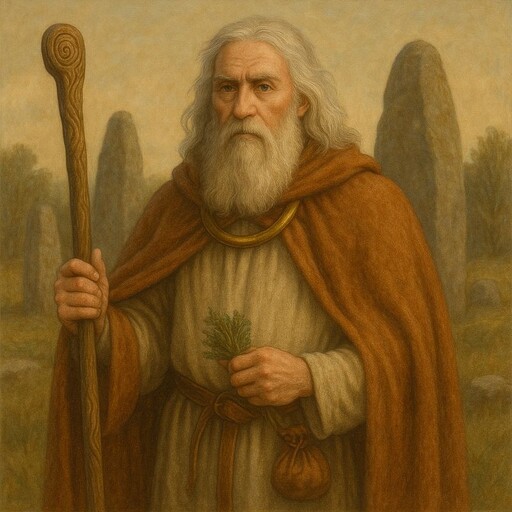
Celts
Ancient peoples of Europe
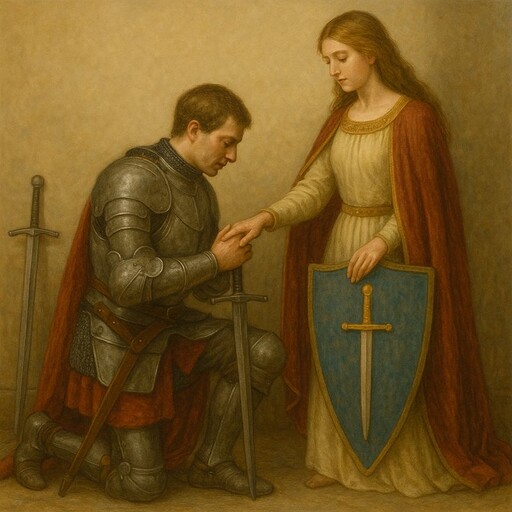
Chivalry
Medieval code for knights
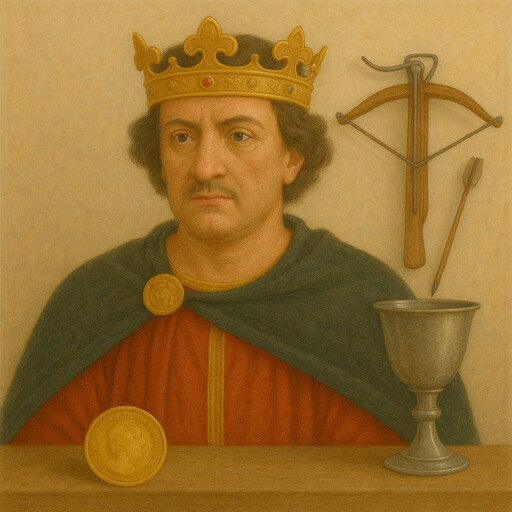
Henry I
A Norman king who shaped early England
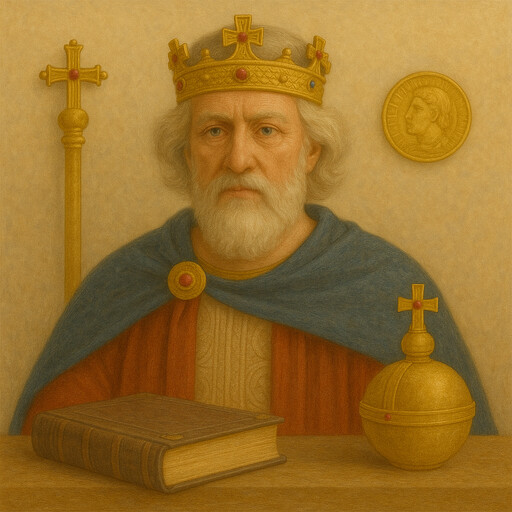
Edward the Confessor
An early English king and builder
Vikings
Seafaring people of northern Europe
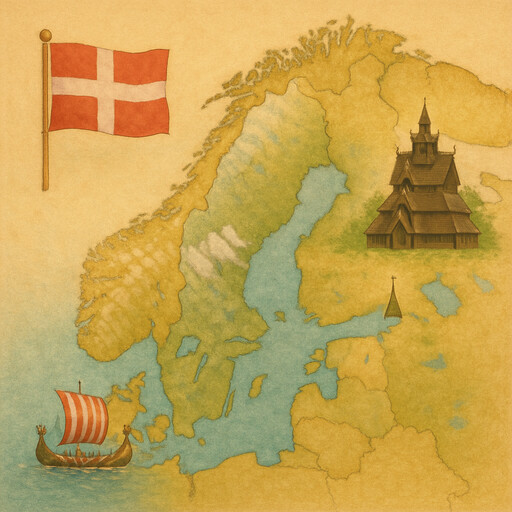
Scandinavia
Northern region of Europe
Anglo-Saxons
Early peoples of England