Gorillas inhabit the dense rainforests and montane cloud forests of ten African countries. Two species—eastern and western—are divided into four subspecies adapted to different altitudes and climates. Despite their intimidating size, gorillas are generally calm, relying on strength primarily to protect their families from leopards or rival males. Their black fur, broad chests, and knuckle-walking gait help them push through vines and climb low branches in search of food.
Diets consist mainly of leaves, stems, fruits, and tender bamboo shoots. Western gorillas eat more fruit, while mountain gorillas browse celery-like herbs and thistles that grow in high-elevation meadows. As they travel, gorillas swallow seeds that later sprout in piles of nutrient-rich dung, effectively gardening new plants. Their large gut chambers ferment fibrous plants, providing energy to sustain 150-kilogram males.
Social units are called troops and usually include one dominant silverback, several adult females, juveniles, and infants. The silverback decides when to travel, feeds last, and positions himself between danger and the group. Females nurse their babies for about three years, and youngsters spend hours playing tag or climbing vines to build coordination. When males mature around age 12, they may challenge the leader or leave to gather unrelated females and form a new troop.
Gorillas face ongoing threats from habitat loss, disease, and poaching. Logging roads bring hunters and create openings where farmland replaces forest. Ebola outbreaks in western Africa have killed entire groups, while snares set for antelope injure curious apes. Conservation efforts focus on community-based patrols, veterinary teams that treat snare wounds, ecotourism revenue-sharing, and reforestation that connects isolated populations. Success stories such as the growth of the mountain gorilla population show that coordinated protection works.
Gorilla
Level
readlittle.com
Forest gardeners with gentle strength
What We Can Learn
- Gorillas live in central and eastern African forests and travel in silverback-led troops.
- Leafy diets and powerful digestive systems let them act as seed dispersers.
- Youngsters learn social and physical skills through years of play and guidance.
- Anti-poaching patrols, eco-guardianship, and forest restoration are boosting some gorilla populations.
Related Reads

Kinship
Family relationships and social ties
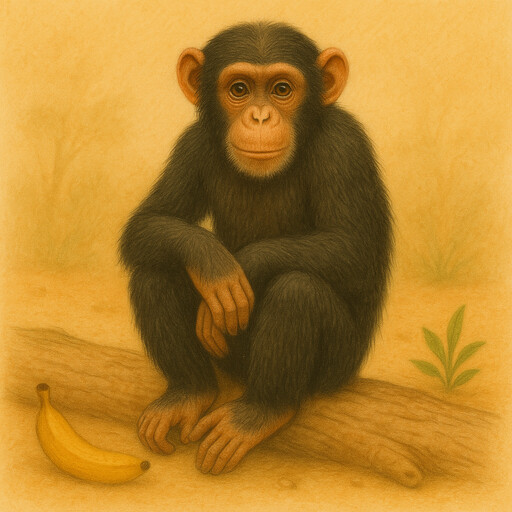
Chimpanzee
Inventive problem-solvers of African forests
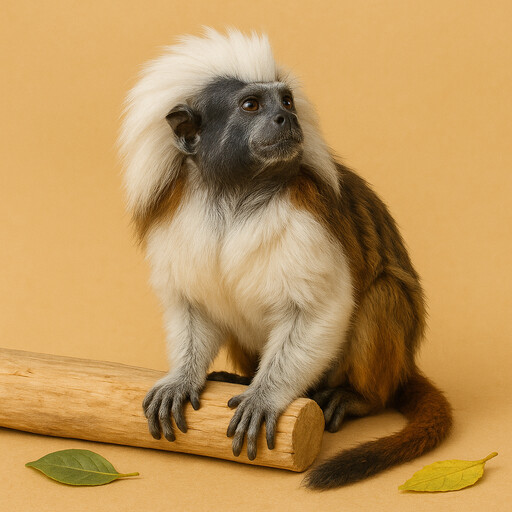
Tamarin
Tiny monkeys with bold mustaches
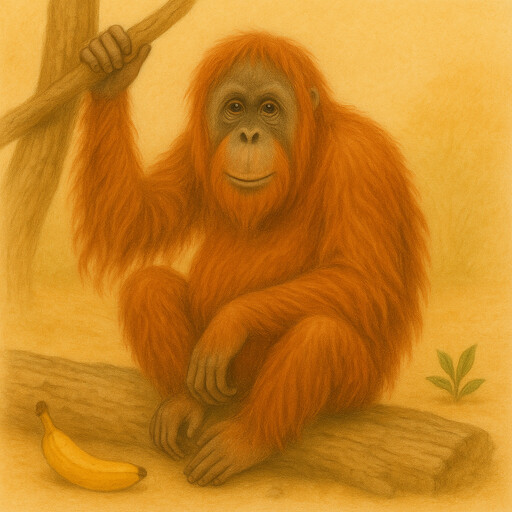
Orangutan
Solitary engineers of the canopy
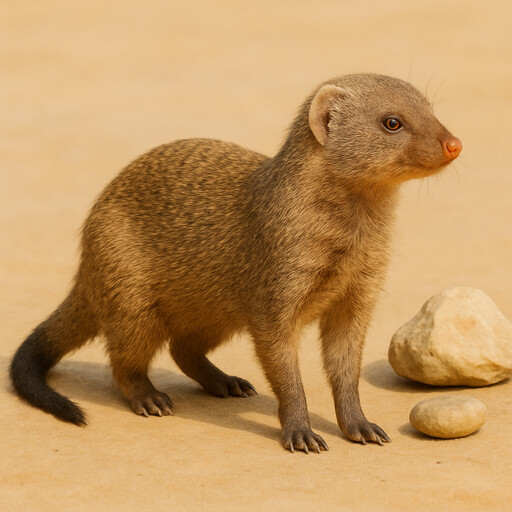
Mongoose
Quick hunters with shared dens
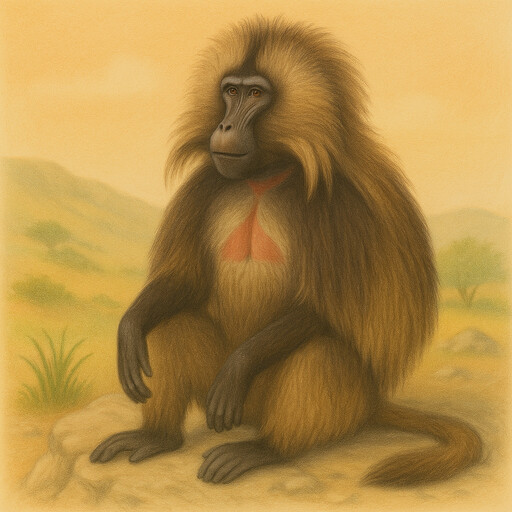
Gelada
Grass-eating monkeys of the highlands
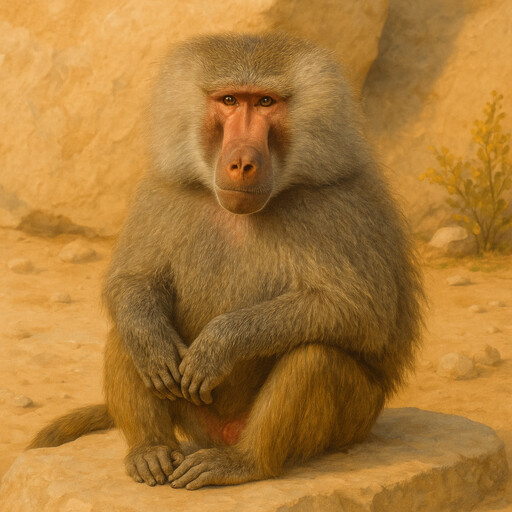
Baboon
Savanna troubleshooters
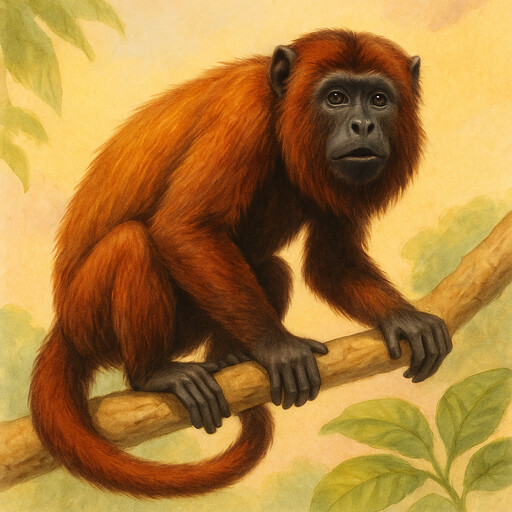
Howler monkey
Rainforest alarm bells
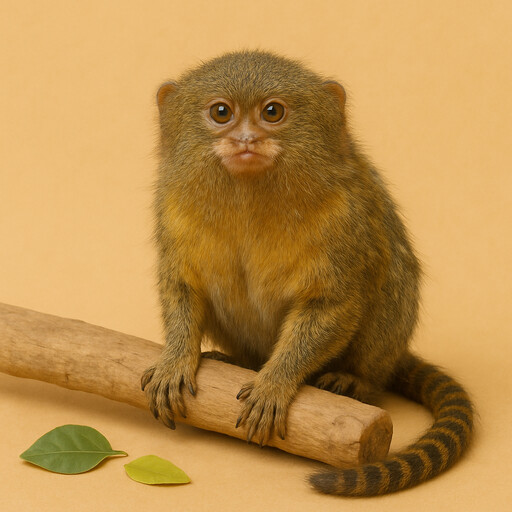
Pygmy marmoset
Thumb-sized sap specialist
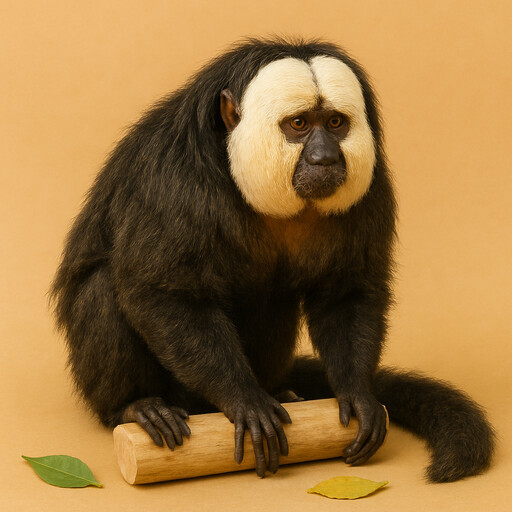
Saki
Shaggy-tailed seed eaters
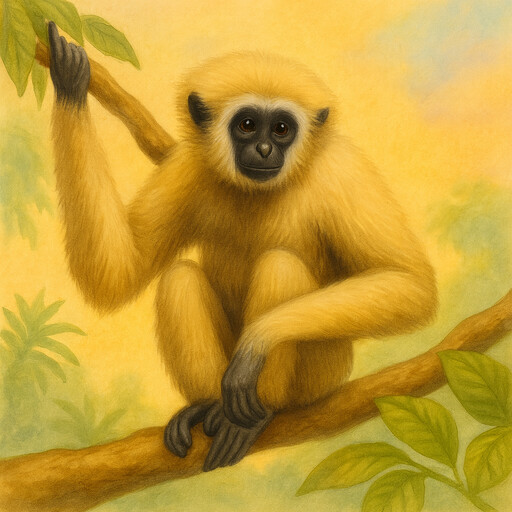
Gibbon
Singing acrobats of the canopy
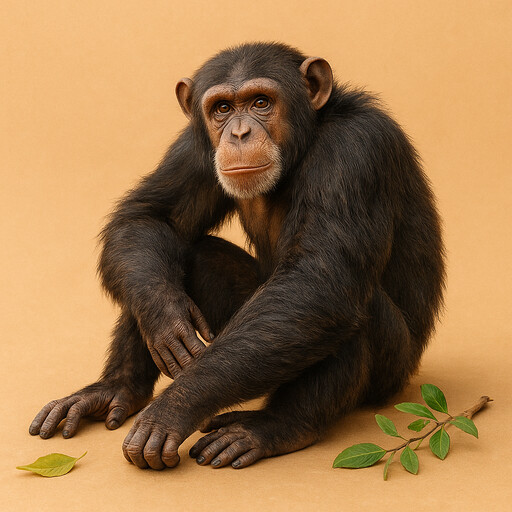
Ape
Tailless primates with flexible minds