Alfred the Great was a king of Wessex, one of the Anglo-Saxon kingdoms in early England. He lived from 849 to 899 and ruled from 871 until his death. A kingdom is a land ruled by a king or queen. Alfred is remembered for leading his people against Viking attacks and for helping build stronger laws, learning, and government. His work made Wessex an important part of what later became England.
Alfred became king during a difficult time. Viking groups from Scandinavia had been raiding and settling in many parts of England. A raid is a sudden attack meant to take goods or land. When Alfred took the throne, much of Anglo-Saxon England was already under Viking control. Alfred gathered soldiers and planned defenses to protect the people of Wessex. Even after early defeats, he continued to resist Viking forces.
One of the most important events in Alfred's life was the Battle of Edington in 878. At this battle, Alfred’s army defeated a Viking leader named Guthrum. After the victory, Alfred and Guthrum agreed to a peace treaty. A treaty is an official agreement between groups or rulers. The treaty set clear borders between Viking lands and Alfred’s lands and helped bring a period of peace. Alfred also built a system of fortified towns called burhs to protect Wessex from future attacks.
Alfred cared deeply about learning and education. He believed that leaders should understand history, law, and religion. Because many people in Wessex did not read Latin, which was the common language for learning at the time, Alfred supported the translation of important books into Old English. Old English was the language spoken by most Anglo-Saxons. Alfred himself helped translate some works so more people could read them.
Alfred also worked to improve laws and government. He brought together older laws from different parts of his kingdom and created a clearer legal code. A legal code is a written set of rules. He believed that fair laws would help keep peace and order among his people. This effort helped shape early English law and later systems of justice.
Alfred died in 899, but his influence remained strong. His son and daughter continued his work to unite the Anglo-Saxon kingdoms. Later rulers build upon Alfred’s ideas to create a more organized and stable England. Today, Alfred is one of the few English kings known as "the Great" because of his leadership in war, his support for education, and the long-lasting changes he made to government and society.
Alfred the Great
Level
readlittle.com
King of Wessex who defended England
What We Can Learn
- Alfred ruled Wessex during a time of Viking attacks.
- He defeated Viking forces at the Battle of Edington and made a peace treaty.
- Alfred supported learning by translating books into Old English.
- His laws and defenses helped shape early English government.
Related Reads
No image
Monarchy
Government ruled by a royal family

Johann Gottfried Herder
German thinker of culture and language
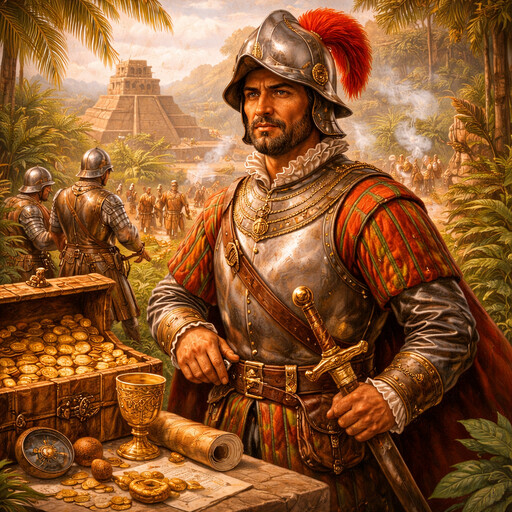
Conquistador
Spanish explorers and soldiers of empire
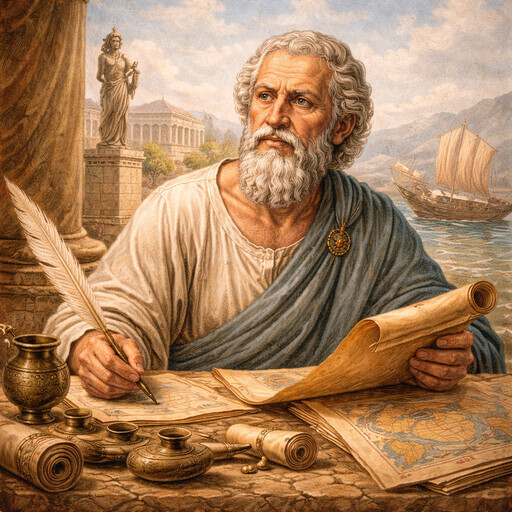
Herodotus
Ancient Greek writer of early history

Balkans
Southeastern European region
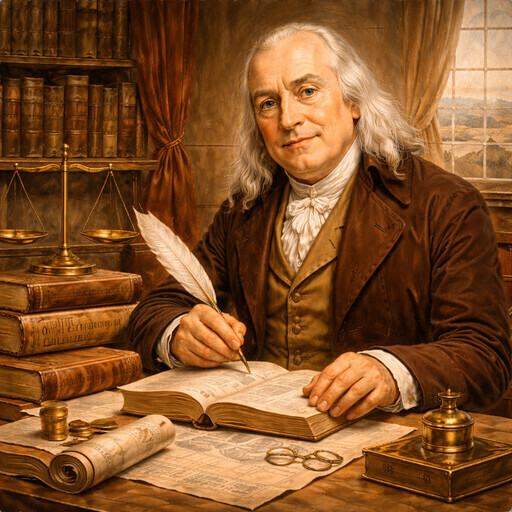
Jeremy Bentham
British thinker on law and society
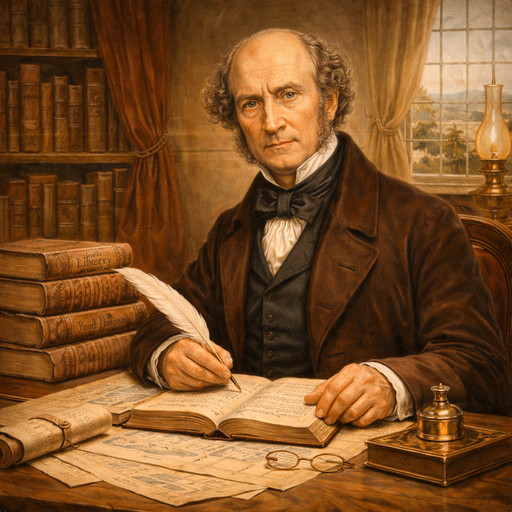
John Stuart Mill
British thinker on society and freedom
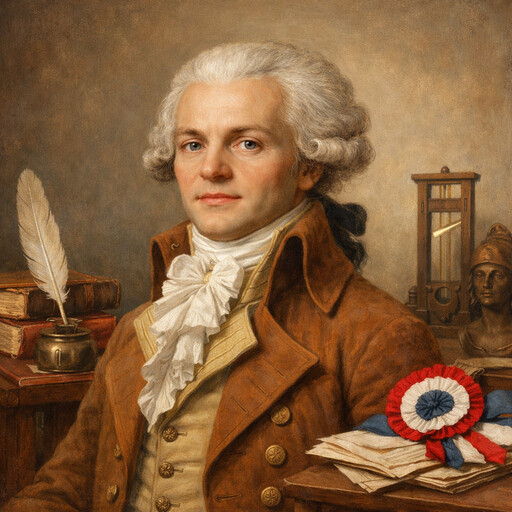
Maximilien Robespierre
Leader during the French Revolution
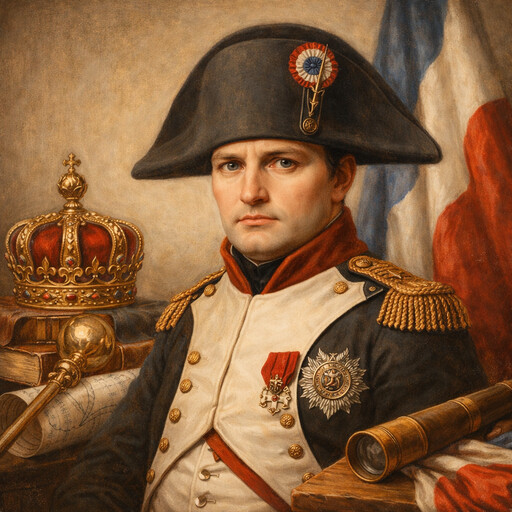
Napoleon
French general and emperor

La Marseillaise
National anthem of France
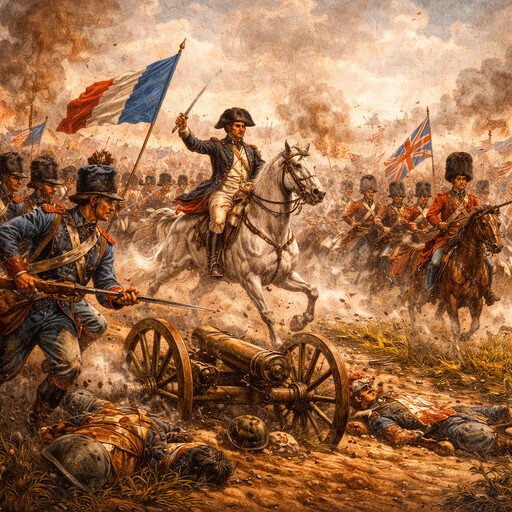
Battle of Waterloo
Napoleon’s final defeat
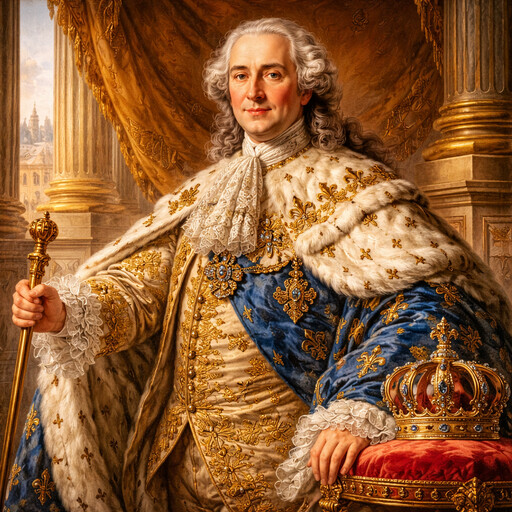
Louis XV
King of France in the 1700s