Reproduction is the biological process by which living things create new individuals similar to themselves. Every living organism, from the smallest bacteria to the largest animals and plants, reproduces in some way. Without reproduction, species would not continue over time.
There are two main types of reproduction: asexual reproduction and sexual reproduction. In asexual reproduction, only one parent is needed. The offspring are usually identical to the parent because they receive the same genetic information. Examples include bacteria dividing into two cells, or some plants growing new individuals from cuttings or bulbs. This type of reproduction is common in simple organisms and some plants.
sexual-reproduction involves two parents. Each parent produces special cells called gametes. When these gametes join, they form a new cell called a zygote. The zygote contains genetic information from both parents and develops into a new organism. This process happens in many animals, plants, and fungi. For example, in humans, sperm from the father and an egg from the mother combine to form a baby.
Different living things have different ways of reproducing. Some animals lay eggs, such as birds and fish, while others give birth to live young, like mammals. Plants may use flowers, cones, or spores to produce new individuals. Some plants also spread seeds with the help of wind, water, or animals, allowing new plants to grow in different places.
Reproduction also follows patterns called life cycles. Each species has its own life cycle, showing the stages from birth to adulthood and reproduction. For example, a frog begins as an egg, becomes a tadpole, and later turns into an adult frog that can reproduce. Plants grow from seeds, mature, and produce new seeds in turn.
Reproduction ensures that life continues on earth. It also introduces variation when genetic material is combined in sexual reproduction. These differences can be seen in the color, size, or behavior of living things. Both asexual and sexual reproduction are essential biological processes that allow living organisms to survive, grow, and maintain their populations over generations.
Reproduction
Level
readlittle.com
How living things make new individuals
What We Can Learn
- Reproduction is how living things make new individuals.
- It can happen in two main ways: asexual and sexual reproduction.
- Asexual reproduction needs one parent; sexual reproduction needs two.
- Reproduction helps species continue and creates variation in living things.
Related Reads
Dormancy
A temporary state of inactivity
Germination
How a seed begins to grow
Ecology
Study of living things and environments
Gorilla
Forest gardeners with gentle strength
Chimpanzee
Inventive problem-solvers of African forests
Orangutan
Solitary engineers of the canopy
Tayra
Restless hunters of the Neotropics
Pygmy marmoset
Thumb-sized sap specialist
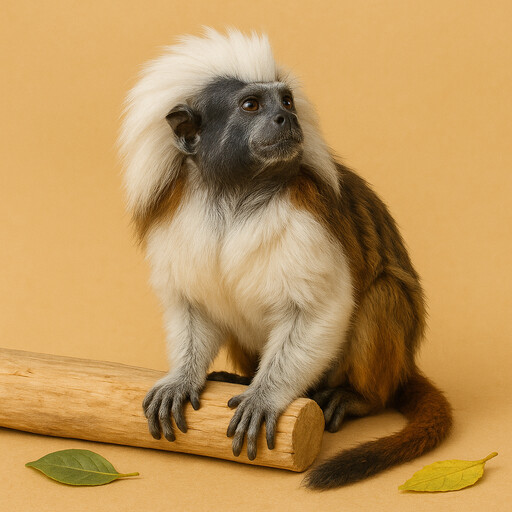
Tamarin
Tiny monkeys with bold mustaches
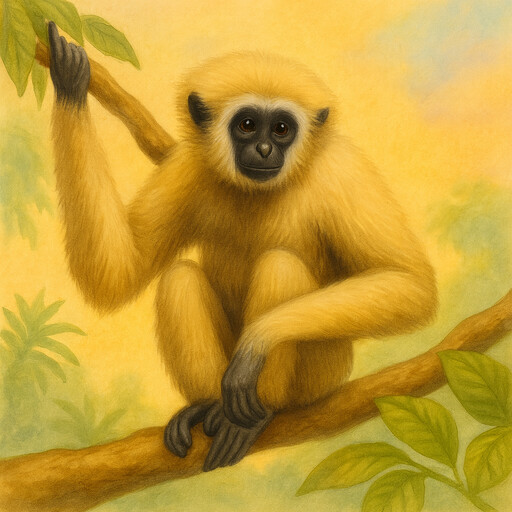
Gibbon
Singing acrobats of the canopy
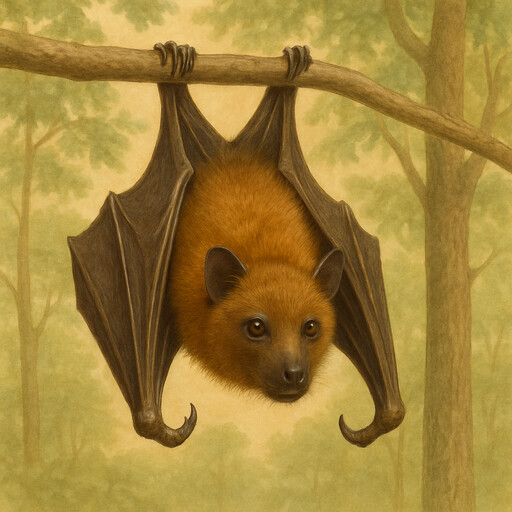
Fruit bat
Nighttime pollinators with keen noses
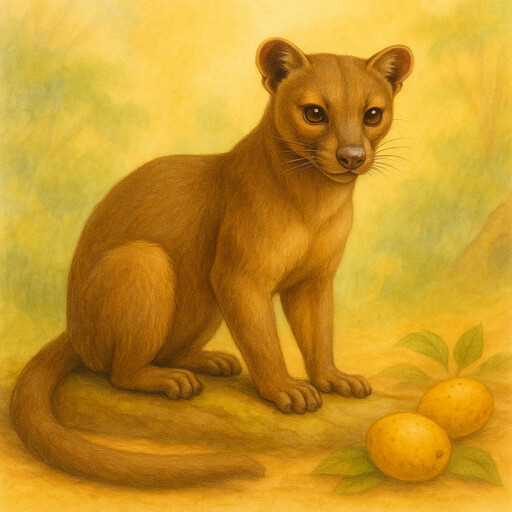
Fossa
Agile apex predator of Madagascar