An animal is a living organism that belongs to the animal kingdom. Animals cannot make their own food like plants. Instead, they get energy by eating plants, other animals, or both. Animals live in many places on Earth, including forests, oceans, deserts, rivers, and cities. Examples of animals include insects, fish, birds, reptiles, and mammals.
Animals share several basic features. Most animals can move at some point in their lives. Movement helps animals find food, escape danger, and find mates. Animals also respond to their surroundings. This means they can react to light, sound, heat, or touch. For example, a bird may fly away when it hears a loud noise.
Animals are made of many cells. A cell is the smallest unit of life. Most animals are multicellular, which means they have many cells that work together. These cells form tissues and organs. An organ is a body part that does a specific job, such as the heart, lungs, or stomach. Different animals have different organs based on how they live.
Animals are grouped in many ways. One common grouping is vertebrates and invertebrates. Vertebrates are animals with a backbone, also called a spine. Examples include fish, frogs, birds, and mammals. Invertebrates do not have a backbone. This group includes insects, worms, spiders, and jellyfish. Invertebrates make up most of the animal species on Earth.
Animals also differ in how they breathe and reproduce. Some animals breathe air using lungs, such as mammals and birds. Others use gills to breathe underwater, such as fish. Reproduction is the process of making new animals. Some animals lay eggs, while others give birth to live young. These differences help animals survive in different environments.
Animals are part of ecosystems. An ecosystem includes living things and the non-living parts around them, such as water, air, and soil. Animals often depend on plants for food, either directly or indirectly. Animals also interact with other animals as predators, prey, or partners. These connections help shape how ecosystems function and change over time.
Animal
Level
readlittle.com
Living organisms that eat other life
What We Can Learn
- Animals are living organisms that eat other life for energy.
- Most animals can move and respond to their surroundings.
- Animals can be vertebrates or invertebrates.
- Animals live in many different environments.
Related Reads
Eye
Organ used for seeing light
Sense
Ways humans receive information
Paul Ehrlich
Pioneer of modern medical science
Natural selection
How living things change over time
Botany
The study of plants and plant life
Dormancy
A temporary state of inactivity
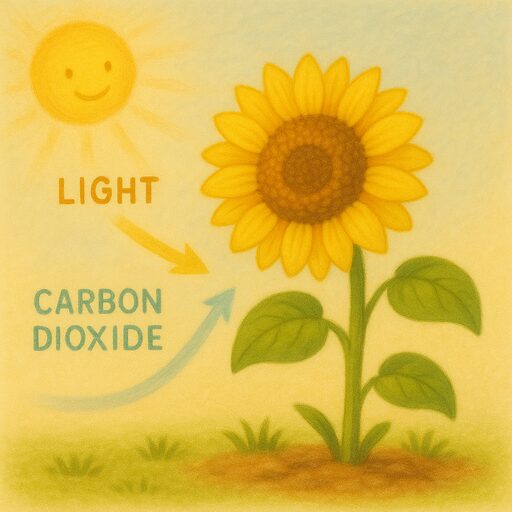
Photosynthesis
How plants make food using light
Cactus
Plant adapted to dry environments
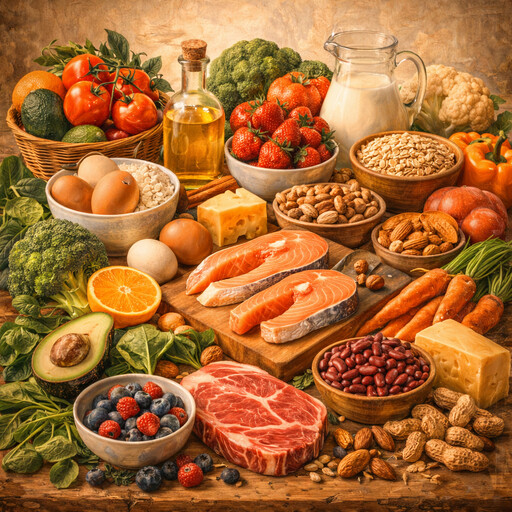
Nutrient
Substance needed for growth and life
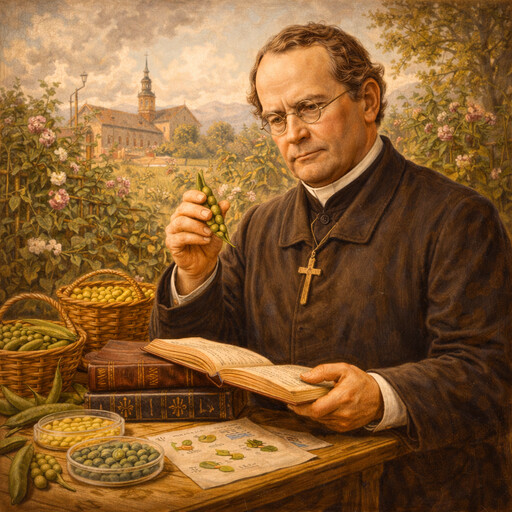
Gregor Mendel
Monk who studied inheritance in plants
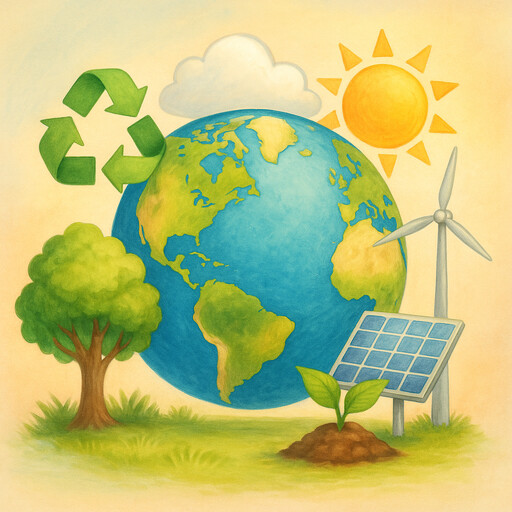
Ecology
Study of living things and environments
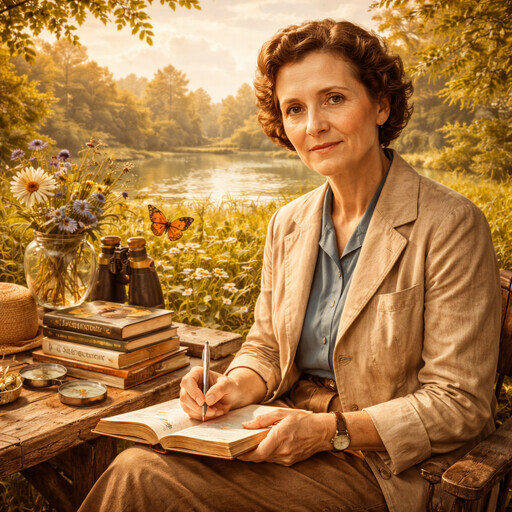
Rachel Carson
Scientist and writer on nature