Orangutans are the only great apes found in Asia, inhabiting the lowland and peat-swamp forests of Borneo and Sumatra. They have flexible shoulders, arms stretching up to two meters, and hook-like hands that let them travel beneath branches without falling. Unlike gorillas or chimpanzees, orangutans spend most of their lives alone or in small mother–infant pairs. Adult males display flanged cheeks and large throat sacs that help them project long calls across the forest.
Each day orangutans build fresh nests in the canopy by bending branches and layering leafy mattresses. Morning hours are spent searching for figs, durians, and other seasonal fruits; during lean months they supplement their diet with young leaves, bark, insects, and even honey. They chew leaves into sponges to soak up rainwater and use sticks to pry seeds from prickly fruits. Careful observation has shown orangutans memorizing fruiting cycles and planning routes so they arrive when trees ripen.
Females give birth about once every seven to nine years, the slowest reproductive rate of any mammal. Infants cling to their mother’s belly for the first months, later riding piggyback as she teaches them how to select strong branches, weave sleeping platforms, and recognize edible plants. Youngsters may stay with their mothers for up to ten years, learning to crack canes and safely navigate flooded peat swamps. Mature males travel farther afield, using their long calls to advertise territory and attract receptive females.
Habitat loss poses the greatest threat to orangutans. Logging roads open once-remote forests, while oil-palm plantations replace diverse ecosystems with single-species farms. Fires in drained peatlands release thick smoke and destroy nesting trees. Conservationists work with Indigenous communities to guard customary forests, create wildlife corridors, and rescue orphaned orangutans for rehabilitation. Eco-certified palm oil and community patrols help ensure that future generations can keep swinging through intact forest canopies.
Orangutan
Level
readlittle.com
Solitary engineers of the canopy
What We Can Learn
- Orangutans are Asian great apes that spend nearly all their time in trees.
- They build new nests daily and use simple tools to gather food and water.
- Females raise single infants for nearly a decade before they become independent.
- Protecting peat-swamp forests and limiting plantation expansion are critical for orangutan survival.
Related Reads
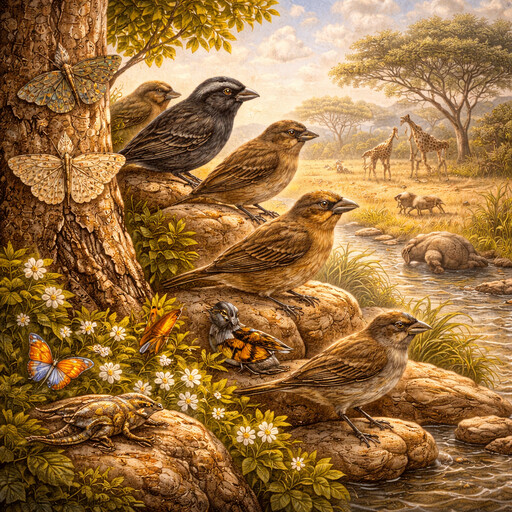
Natural selection
How living things change over time

Gorilla
Forest gardeners with gentle strength

Chimpanzee
Inventive problem-solvers of African forests

Baboon
Savanna troubleshooters
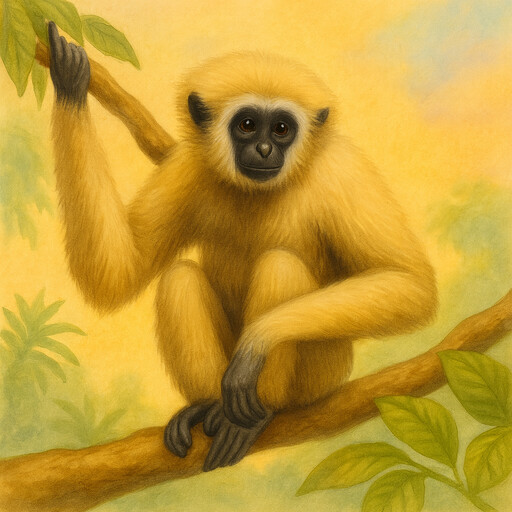
Gibbon
Singing acrobats of the canopy
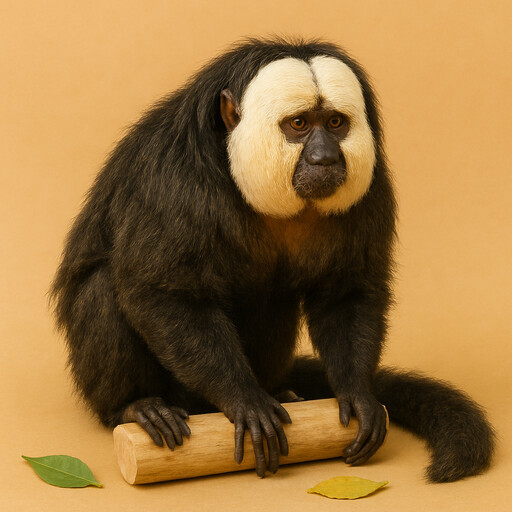
Saki
Shaggy-tailed seed eaters
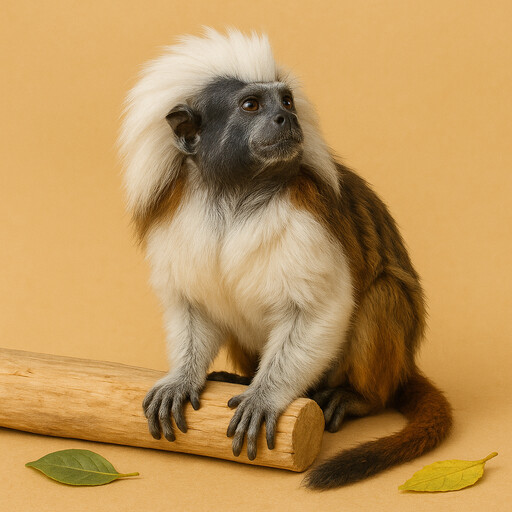
Tamarin
Tiny monkeys with bold mustaches
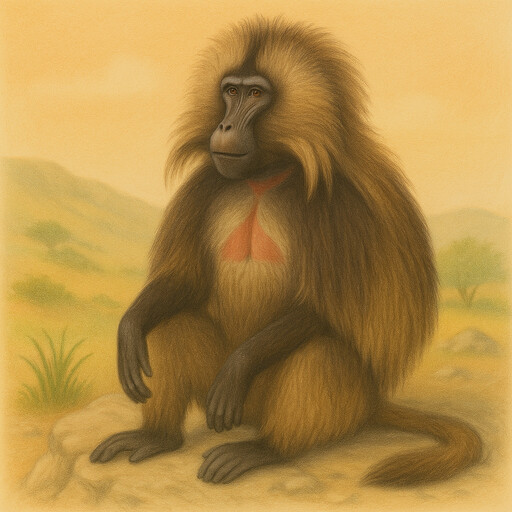
Gelada
Grass-eating monkeys of the highlands
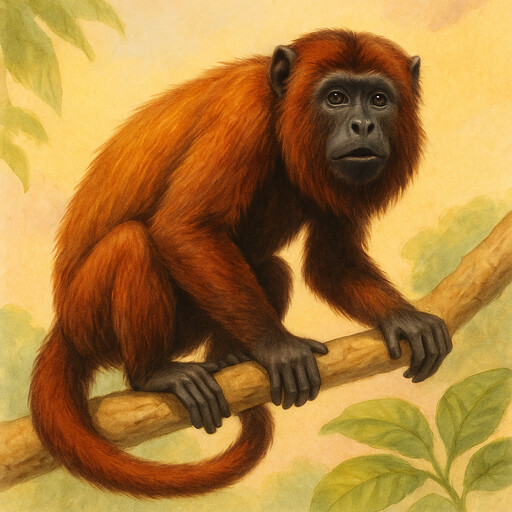
Howler monkey
Rainforest alarm bells
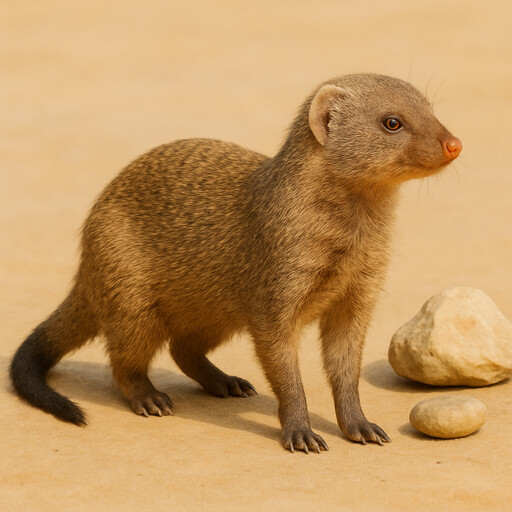
Mongoose
Quick hunters with shared dens
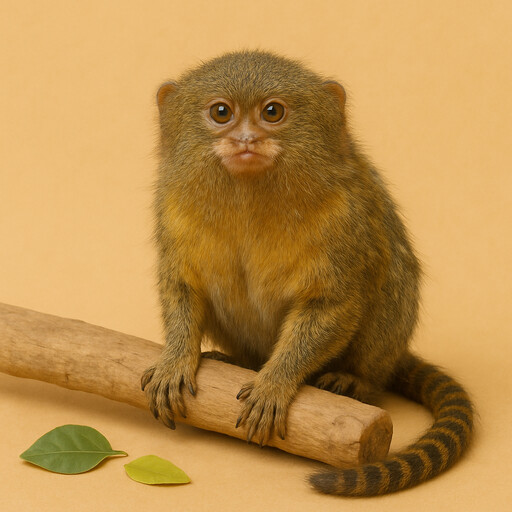
Pygmy marmoset
Thumb-sized sap specialist

Ape
Tailless primates with flexible minds