Ethiopia stretches across the Horn of africa, rising from the Rift Valley floor to high plateaus that reach more than 4,000 meters above sea level. Addis Ababa sits in the central mountains as both the national capital and headquarters of the African Union. Rivers such as the Blue Nile carve deep gorges that help feed agriculture downstream in sudan and egypt.
The Ethiopian Highlands act like a rooftop catching seasonal rains. Terraced farms grow teff, barley, and pulses, while lowland pastoralists herd camels, goats, and cattle across the Afar and Somali regions. Volcanoes, hot springs, and geothermal vents mark the Great Rift Valley, and Bale Mountains National Park protects wolves, gelada monkeys, and other wildlife found nowhere else.
Human history here spans ancient rock-hewn churches in Lalibela, the kingdom of Aksum that minted coins and traded with Rome, and resistance to foreign rule that preserved independence except for a brief Italian occupation from 1936 to 1941. Emperor Haile Selassie helped found the united-nations, the Derg military regime took power in 1974, and a new federal constitution in the 1990s created regions based on languages such as Amharic, Oromo, Somali, and Tigrinya.
Ethiopia's economy still relies on smallholder farmers who supply coffee, sesame, and livestock, yet industrial parks near Hawassa and Adama manufacture textiles and electronics for export. Massive infrastructure projects like the Grand Ethiopian Renaissance Dam on the Blue Nile promise renewable electricity, while solar mini-grids, new railways, and expanded air cargo links connect landlocked producers to ports in Djibouti.
culture blends Orthodox Christian liturgies, Islamic scholarship, and vibrant arts. coffee ceremonies involve roasting beans over charcoal, incense smoke, and three shared cups that welcome guests. Musicians play the krar lyre and masenqo fiddle, runners train on high-altitude trails, and chefs serve sourdough injera flatbread topped with spiced stews called wot. Students learn both the ancient Ge'ez script and modern sciences, highlighting Ethiopia's mix of tradition and innovation.
Ethiopia
Level
readlittle.com
Highland nation in the Horn of Africa
What We Can Learn
- Ethiopia's highlands capture rainfall, feed the Blue Nile, and host unique wildlife
- Empires from Aksum to modern federal regions kept a distinct identity in Africa
- Coffee farming, industrial parks, and big dams drive economic transformation
- Coffee ceremonies, Orthodox heritage, and multilingual arts sustain community ties
Related Reads

Johann Gottfried Herder
German thinker of culture and language
No image
Monarchy
Government ruled by a royal family

Max Planck
Founder of quantum theory

Cape of Good Hope
Southern headland of Africa
Ming dynasty
Chinese dynasty from 1368 to 1644
Mary Kingsley
British traveler and writer in West Africa
David Livingstone
Scottish explorer of Africa

Lewis and Clark Expedition
Exploring the land west of the Mississippi
Alexander von Humboldt
Explorer of nature and the natural world
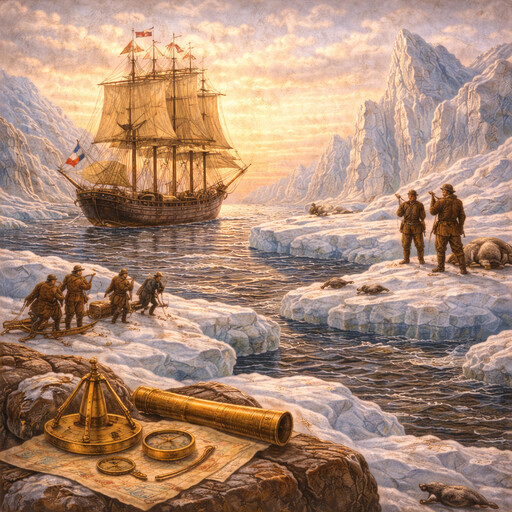
Northwest Passage
A sea route through Arctic waters

Louisiana Purchase
A land deal that doubled the United States
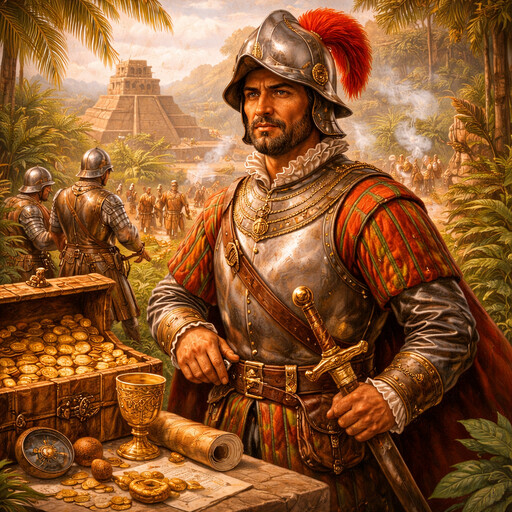
Conquistador
Spanish explorers and soldiers of empire