Monkey is a primate that thrives in rainforests, savannas, and even mountain temples. Old World monkeys such as baboons walk on the ground and have narrow noses, while New World monkeys like spider monkeys swing through trees with prehensile tails. Their flexible shoulders, grasping hands, and forward-facing eyes allow precise movements and depth perception. Large brains support memory and learning, helping troops navigate fruiting trees that change with the seasons.
Monkeys live in social groups that rely on grooming to strengthen alliances. Young monkeys learn by watching adults gather food, crack nuts, or fish for insects with sticks. Scientists have documented cultural behaviors, such as macaques washing sweet potatoes in streams after seeing humans rinse vegetables. Vocal calls, facial expressions, and body posture form a complicated language that signals danger, invites play, or challenges rivals.
Diets include fruit, leaves, seeds, flowers, eggs, and small animals, depending on the species. Seasonally, monkeys become important seed dispersers by swallowing fruits whole and dropping the seeds far away, aiding forest regeneration. Some species, like capuchin monkeys, use stones to open nuts, showing early tool use. Because monkeys are curious, they can raid farms or markets, so community projects plant buffer crops that attract monkeys away from human food.
Monkeys face threats from habitat loss, illegal pet trade, and diseases that spread when forests are fragmented. Conservation groups establish protected corridors that allow troops to travel safely between feeding sites. Researchers vaccinate wild monkeys against outbreaks such as yellow fever, protecting both primates and nearby people. Ecotourism programs train guides to observe monkeys without feeding or touching them, ensuring that tourism supports preservation.
Monkeys appear in folktales, zodiac calendars, and scientific research that sheds light on human evolution. Observing their cooperation, problem-solving, and parenting behavior teaches empathy for other species. When communities safeguard forests and respect wildlife laws, monkeys keep swinging through the canopy, scattering seeds and inspiring new stories.
Monkey
Level
readlittle.com
Playful primates with clever minds
What We Can Learn
- Monkeys evolved diverse body plans for climbing, leaping, and tool use.
- Grooming, vocalizations, and cultural learning maintain complex societies.
- Monkeys disperse seeds and sometimes use simple tools.
- Protecting forests, preventing illegal trade, and responsible ecotourism keep monkey populations healthy.
Related Reads

Johann Gottfried Herder
German thinker of culture and language

Ming dynasty
Chinese dynasty from 1368 to 1644

Renaissance
Period of cultural change in Europe

Polynesia
Island region of the Pacific Ocean

Kinship
Family relationships and social ties

Celts
Ancient peoples of Europe
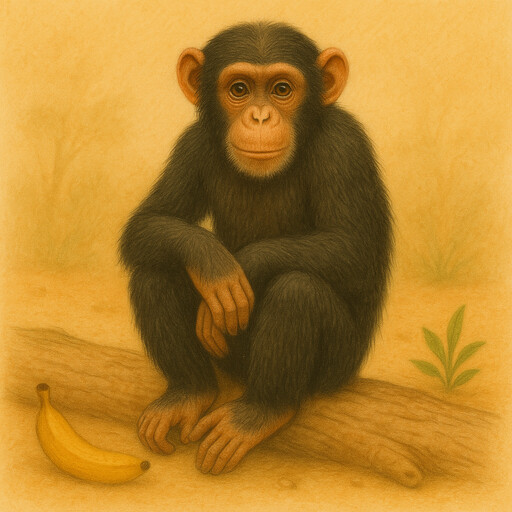
Chimpanzee
Inventive problem-solvers of African forests

Vikings
Seafaring people of northern Europe

Scandinavia
Northern region of Europe

England
Country in the United Kingdom
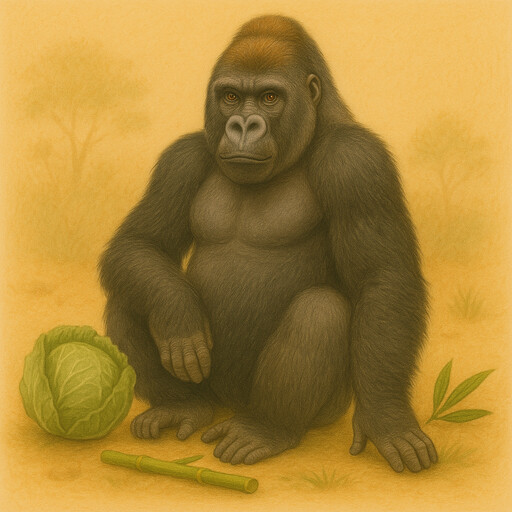
Gorilla
Forest gardeners with gentle strength

Anglo-Saxons
Early peoples of England