Oman stretches along the Arabian Sea and Gulf of Oman, touching Yemen, Saudi Arabia, and the United Arab Emirates. The Al Hajar Mountains rise near the capital Muscat, catching winter rains that feed wadis lined with date palms, terraced farms, and ancient aflaj irrigation channels. To the south, the Dhofar region faces the Khareef monsoon, which cloaks cliffs in mist and nurtures frankincense trees whose resin once scented royal courts across Asia, Africa, and Europe. Inland deserts include the Rub' al Khali and Sharqiyah Sands with sweeping dunes where Bedouin families herd camels and goats.
Oman's history features maritime adventures, forts, and links between Africa and India. The seafaring Omanis sailed dhows to Zanzibar, India, and China, trading spices, limes, and dates. Portuguese, Persian, and local powers once battled for control of Muscat's harbor until the Al Said dynasty unified the land in the 1700s. In the late 20th century, Sultan Qaboos launched modernization programs that paved highways, expanded schools, and encouraged girls and boys to study science. Today Sultan Haitham continues gradual reforms, investing in logistics hubs, tourism trails, and renewable energy.
The government is an absolute monarchy guided by the Basic Law, with the Sultan as head of state and government. A Council of Ministers manages daily affairs, while the bicameral Council of Oman consists of the appointed State Council and elected Shura Council. Governors oversee wilayat (districts) that run hospitals, civil defense, and cultural festivals. Tribal sheikhs still hold majlis meetings to discuss community priorities, bridging local customs with national planning.
Oman's economy relies on oil and gas, but diversification is expanding through fisheries, mining, manufacturing, and knowledge sectors. The Port of Duqm is developing dry docks, petrochemical plants, and a green-hydrogen hub. Salalah's container terminal links Africa and Asia, while Muscat International Airport welcomes tourists exploring forts, wadis, and turtle nesting beaches. Farmers grow limes, bananas, and pomegranates on terraced slopes, and beekeepers gather honey from sidr trees.
Culture emphasizes hospitality, poetry, and music. Traditional houses feature carved wooden doors and mashrabiya screens. Musicians play the oud lute and perform razha dances during weddings. Dishes include shuwa slow-cooked lamb, harees wheat porridge, and halwa made with rosewater. Students study Arabic and English, learn coding in makerspaces, and join environmental clubs that restore mangroves, monitor nesting hawksbill turtles, and map wadis with drones. Oman also protects Arabian leopards in the Dhofar mountains and Arabian oryx in desert reserves, showing how natural heritage and modern life intertwine.
Oman
Level
readlittle.com
Mountain coasts guided by frankincense winds
What We Can Learn
- Oman mixes mountains, deserts, and coasts influenced by monsoon winds and trade.
- The Al Said dynasty led modernization while honoring maritime history.
- A sultanate with advisory councils manages services across wilayat districts.
- Diversified industries include logistics, tourism, fisheries, and green energy.
Related Reads

Johann Gottfried Herder
German thinker of culture and language
No image
Monarchy
Government ruled by a royal family
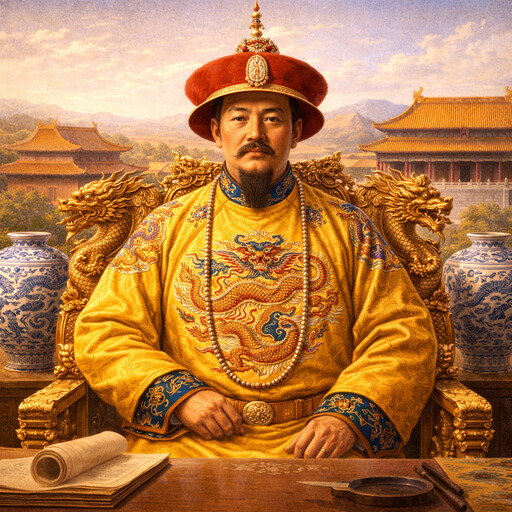
Ming dynasty
Chinese dynasty from 1368 to 1644
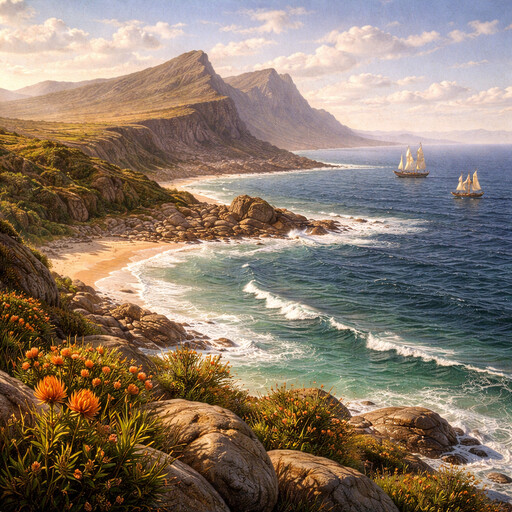
Cape of Good Hope
Southern headland of Africa
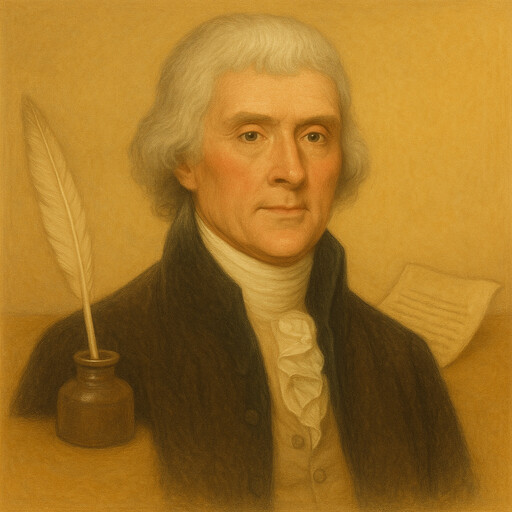
Thomas Jefferson
Author and third U.S. president
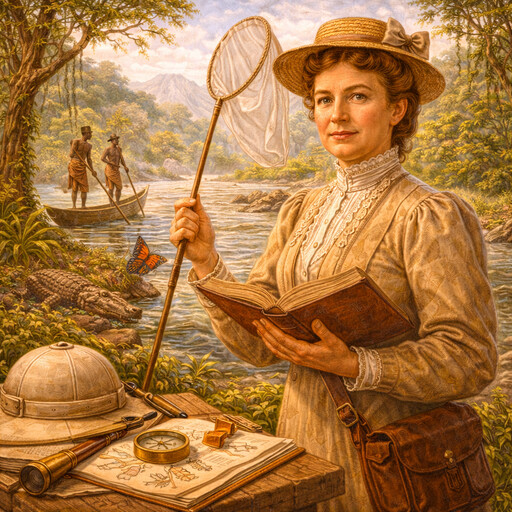
Mary Kingsley
British traveler and writer in West Africa
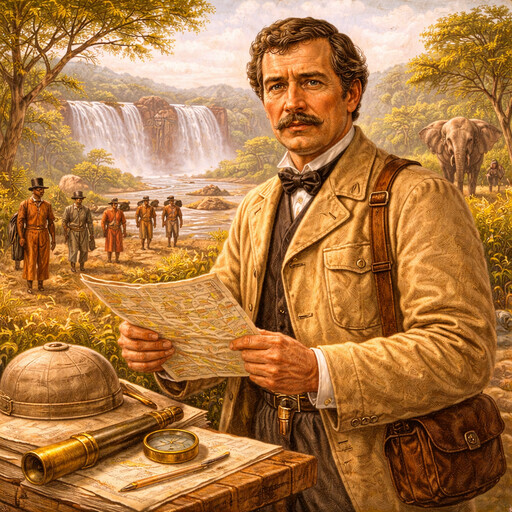
David Livingstone
Scottish explorer of Africa
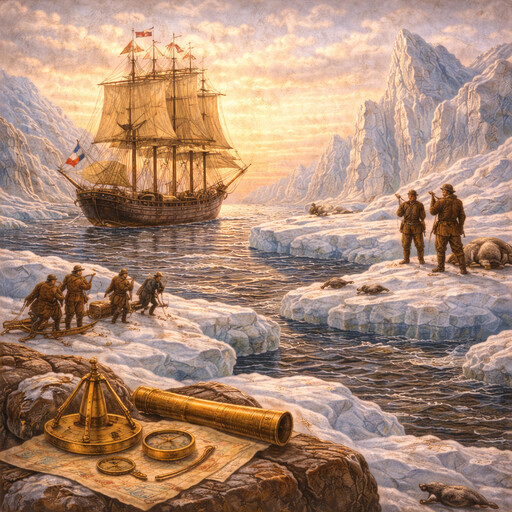
Northwest Passage
A sea route through Arctic waters
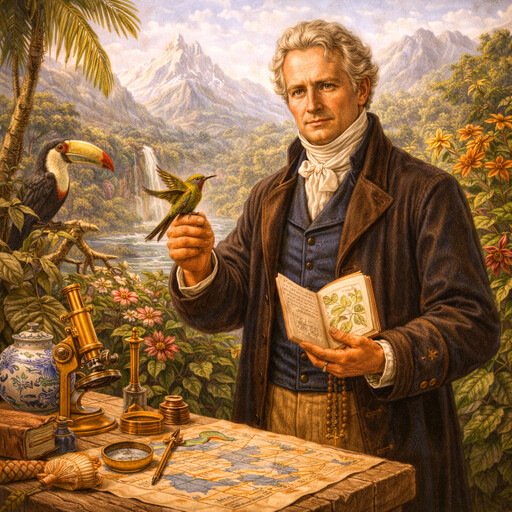
Alexander von Humboldt
Explorer of nature and the natural world

Louisiana Purchase
A land deal that doubled the United States

Lewis and Clark Expedition
Exploring the land west of the Mississippi
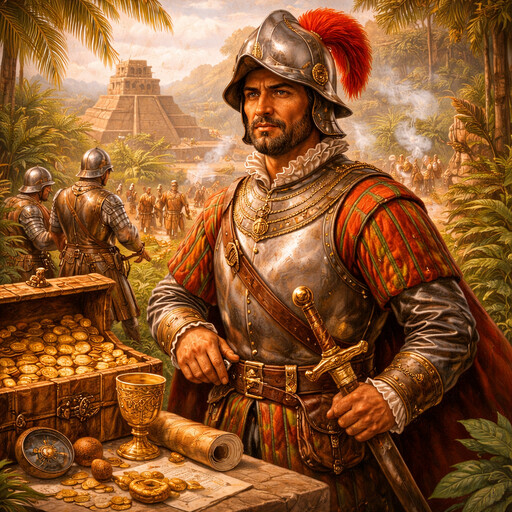
Conquistador
Spanish explorers and soldiers of empire