Belgium lies between France, the Netherlands, Luxembourg, and Germany, with a short North Sea coastline linking deepwater ports to global trade. Northern Flanders hosts flat polders and canal networks, central regions contain rolling farmland and medieval cities, and the southern Ardennes offer forests and river valleys.
Belgium is a constitutional monarchy with a king who symbolizes unity while a prime minister heads the federal cabinet. Federalism divides powers among the national government, three language communities, and three regions: Flanders, Wallonia, and Brussels-Capital. Parliaments and municipalities coordinate transport, education, and cultural policy in bilingual or trilingual settings.
A rich history of guildhalls, cathedrals, and Renaissance art grew from medieval trade alliances. The 1830 revolution created an independent state that balanced neutrality with strategic defenses, and both World Wars left memorials across the Ardennes. Today Brussels hosts the European Union and NATO headquarters, making Belgium central to diplomacy and collective security.
The economy features ports at Antwerp, Zeebrugge, and Ghent that handle petrochemicals, vehicles, and container shipping. Advanced logistics support aerospace, pharmaceuticals, chocolate artisans, and high-tech research parks. Universities collaborate with startups on biotechnology and clean energy, while trains and canals connect factories to neighboring countries.
Belgian culture blends Flemish and Walloon traditions, with town squares showcasing guildhalls, lace markets, and Art Nouveau architecture. Cuisine includes chocolate, waffles, fries, and abbey beers served in lively cafés, and festivals celebrate comics, jazz, and cycling classics. Nature parks protect Ardennes wildlife, and coastal dunes invite sailing and migratory birdwatching.
Belgium
Level
readlittle.com
Crossroads of languages, trade, and governance
What We Can Learn
- Belgium spans coastal ports, medieval cities, and Ardennes forests.
- Federal institutions divide power among regions, communities, and the monarchy.
- Historical trade and neutrality led to Brussels hosting EU and NATO bodies.
- Logistics, research, and culinary arts drive the economy and tourism.
Related Reads
No image
Monarchy
Government ruled by a royal family

Johann Gottfried Herder
German thinker of culture and language
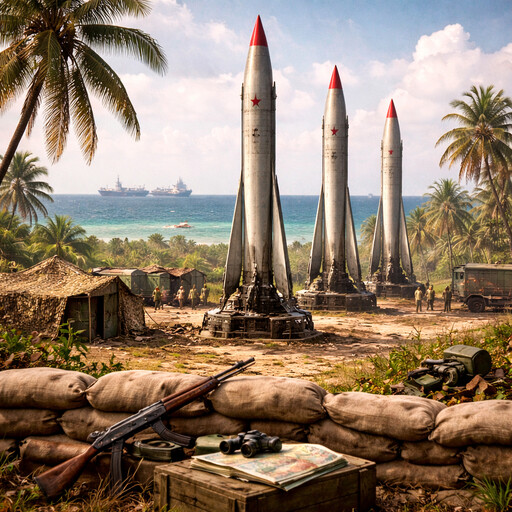
Cuban Missile Crisis
Cold War nuclear standoff in 1962
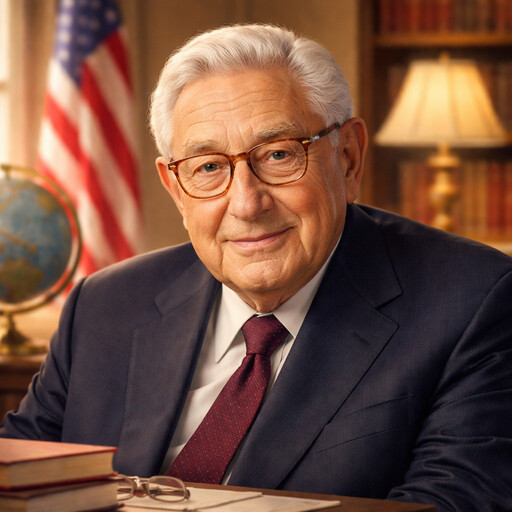
Henry Kissinger
American diplomat and foreign policy leader
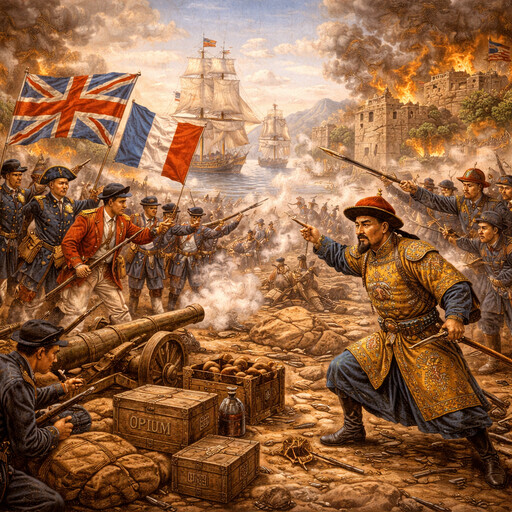
Second Opium War
Renewed conflict between China and Western powers
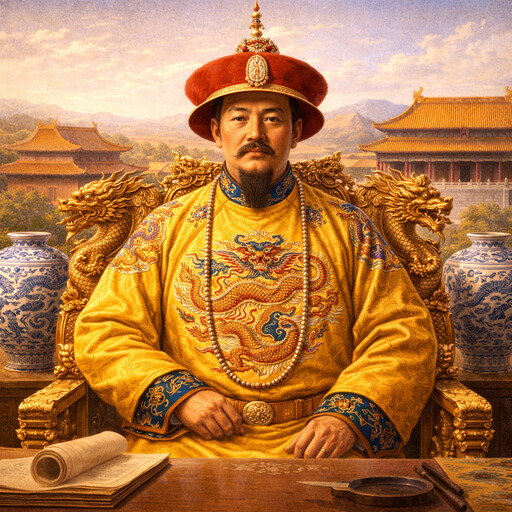
Ming dynasty
Chinese dynasty from 1368 to 1644
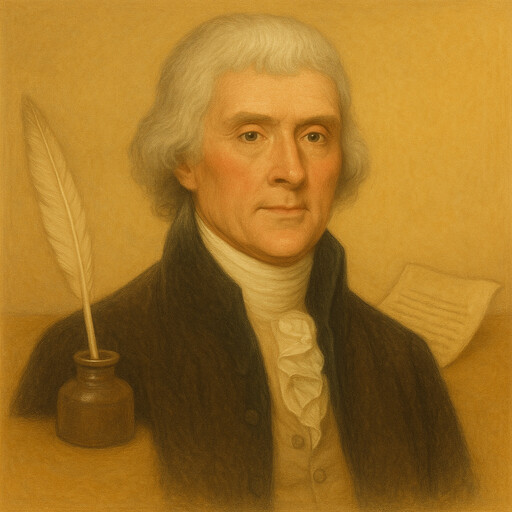
Thomas Jefferson
Author and third U.S. president
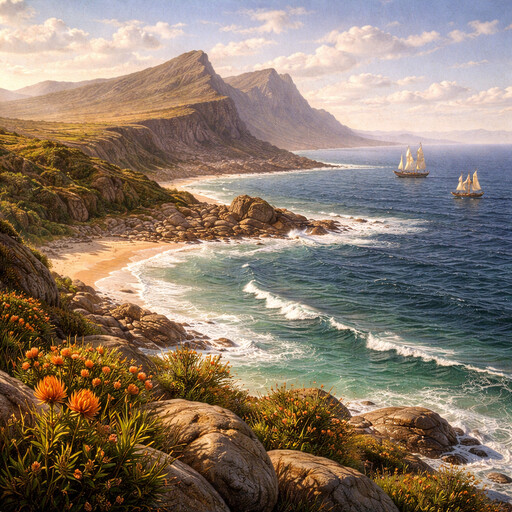
Cape of Good Hope
Southern headland of Africa
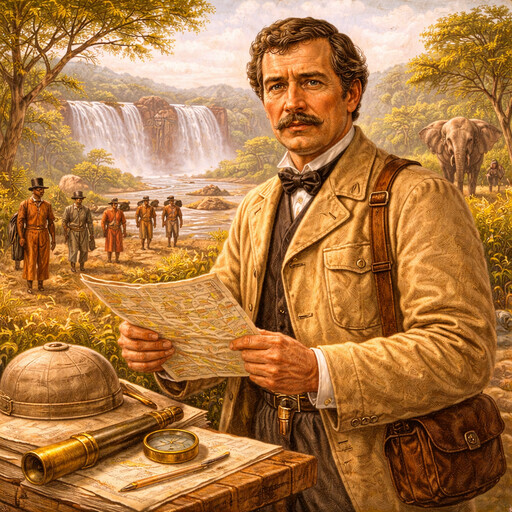
David Livingstone
Scottish explorer of Africa
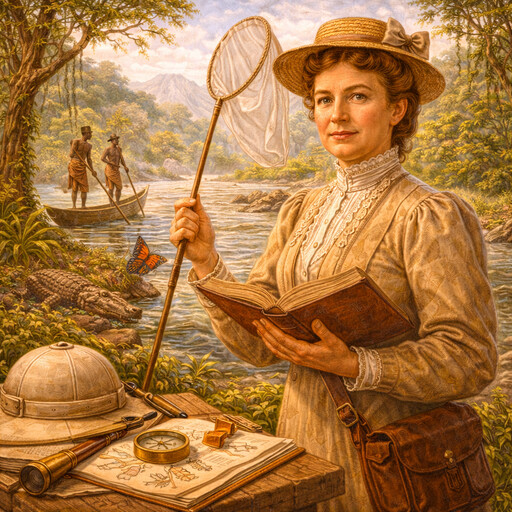
Mary Kingsley
British traveler and writer in West Africa
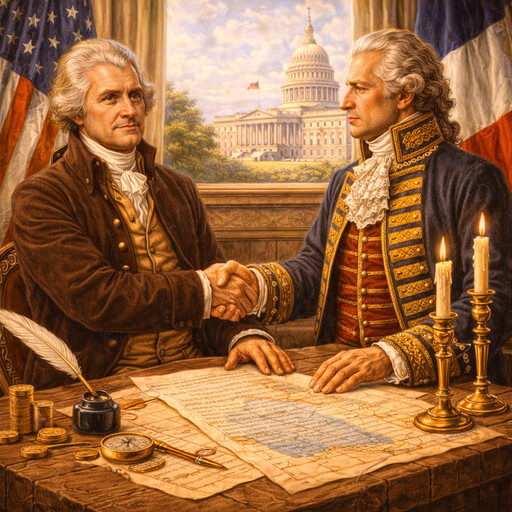
Louisiana Purchase
A land deal that doubled the United States

Lewis and Clark Expedition
Exploring the land west of the Mississippi