Amber is a shiny, golden-brown material that comes from tree resin which hardened over millions of years. It is not a stone or a metal, but a natural substance made from the sticky sap that once flowed from trees. Over time, this sap dried, buried under soil, and slowly turned into solid amber. Because of its warm color and smooth surface, amber has been treasured since ancient times as a material for jewelry and decoration.
Amber forms when tree resin falls to the ground or is trapped in tree bark. If it stays protected from air and water, it can harden and last for millions of years. During this process, small insects, leaves, or even tiny air bubbles can become trapped inside the resin. These trapped remains stay perfectly preserved, giving scientists clues about life long ago. For example, an ant or mosquito caught in amber can show what kinds of creatures lived in prehistoric forests.
The color of amber can range from pale yellow to deep orange or reddish brown. Some rare pieces even appear green or blue when light passes through them. Because amber is light in weight and can be polished easily, people have used it to make beads, necklaces, and carvings for thousands of years. In some cultures, it was believed to have protective or healing powers, and people wore it as a charm for good luck.
Scientists study amber to learn about ancient ecosystems. Fossils inside amber are often better preserved than those found in rock, since the resin protects them from decay. By studying insects, pollen, or plant pieces inside amber, scientists can discover what forests and climates looked like millions of years ago. For example, amber from the Baltic sea region has revealed details about forests that once covered northern europe.
Amber has also played a role in history and art. In ancient Greece and Rome, it was traded as a valuable material. The famous Amber Room in russia was decorated entirely with amber panels and is considered one of the world’s artistic treasures. Today, amber remains popular in museums, jewelry shops, and science collections, connecting nature’s beauty with earth’s deep history.
Amber reminds us that even something small—like a drop of tree resin—can capture a whole story about the past, preserving it for millions of years to come.
Amber
Level
readlittle.com
Golden fossilized tree resin
What We Can Learn
- Amber is hardened tree resin, not a mineral or stone.
- It can trap and preserve ancient insects and plants.
- Scientists study amber to learn about prehistoric life and environments.
- People have valued amber for beauty, art, and jewelry for thousands of years.
Related Reads
No image
Monarchy
Government ruled by a royal family

Johann Gottfried Herder
German thinker of culture and language
Conquistador
Spanish explorers and soldiers of empire
Conifer
Cone-bearing trees and shrubs
Evergreen
Plants that keep leaves year-round
Herodotus
Ancient Greek writer of early history
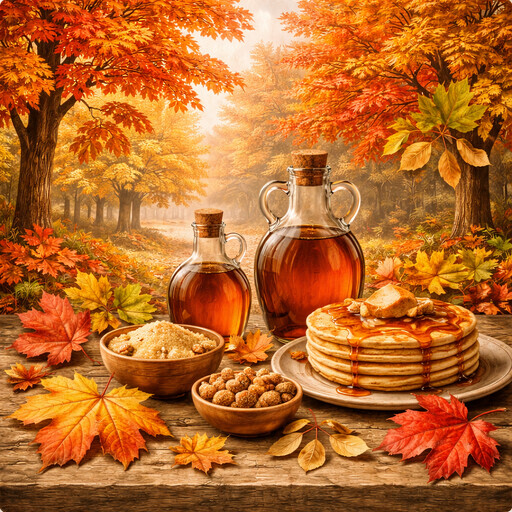
Maple
A tree with leaves and sweet sap
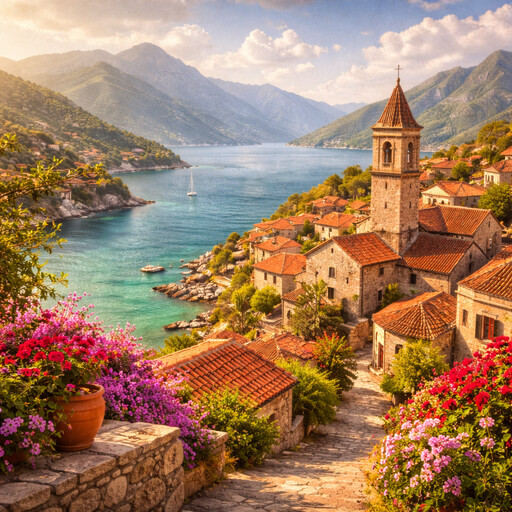
Balkans
Southeastern European region

La Marseillaise
National anthem of France
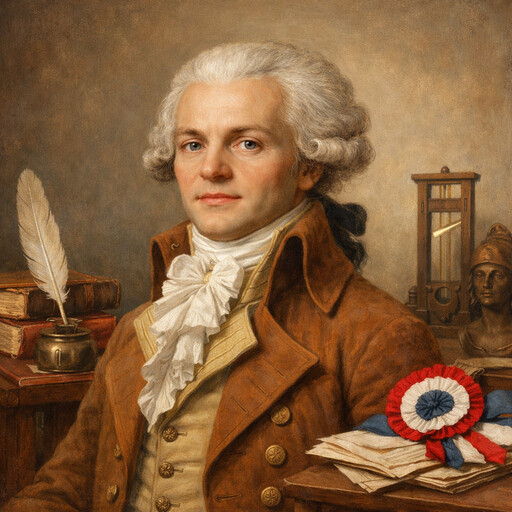
Maximilien Robespierre
Leader during the French Revolution

Napoleon
French general and emperor
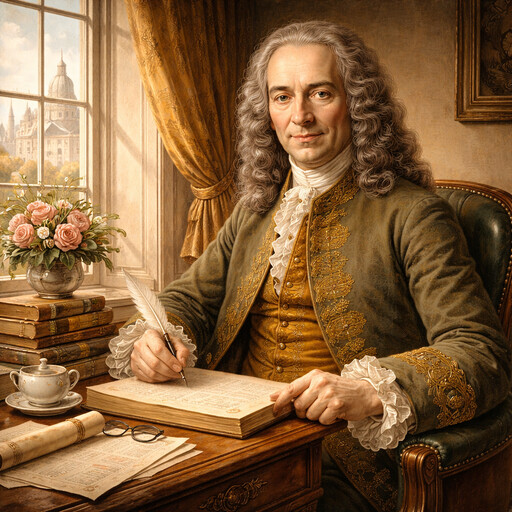
Voltaire
French writer of the Enlightenment