Germination is the process in which a seed begins to grow and develop into a young plant. A seed is a small structure that contains a plant embryo, which is a very early stage of a plant. Seeds can remain inactive for long periods. They begin germination only when the right conditions are present. These conditions usually include water, oxygen from air, and a suitable temperature. Without these conditions, a seed will not start to grow.
A typical seed has several main parts. The seed coat is the outer covering that protects the seed. Inside is the embryo. The embryo includes a tiny root and a tiny shoot. Many seeds also contain stored food. This food is often found in structures called cotyledons, which are seed leaves. The stored food provides energy for the embryo during early growth. This is important because the young plant cannot make its own food yet.
Germination usually begins when a seed absorbs water. This process is called imbibition. Water causes the seed to swell and the seed coat to soften. Oxygen then enters the seed and allows respiration to begin. Respiration is a process in which cells release energy from stored food. As energy becomes available, the embryo starts to grow. The root, called the radicle, is usually the first part to emerge. It grows downward into the soil and helps anchor the plant.
After the root emerges, the shoot begins to grow upward. The shoot includes a stem and leaves. The stem pushes through the soil toward the surface. Once the leaves reach light, the young plant can begin photosynthesis. Photosynthesis is the process by which plants use light to make food from water and carbon dioxide. At this stage, the plant is called a seedling. The seedling gradually uses less stored food as it becomes able to make its own food.
Different seeds have different germination needs. Some seeds require light, while others germinate better in darkness. Some seeds need a period of cold before they can germinate. This cold period is called stratification. Stratification helps prevent seeds from germinating at the wrong time of year. Other seeds have very hard seed coats and need to be scratched or weakened before water can enter. This process is called scarification.
Germination occurs in many environments. It can happen in soil, sand, or even on wet paper if conditions are right. Farmers and gardeners use knowledge of germination to grow crops and plants. In nature, germination allows plant populations to continue from one generation to the next. Although the process varies among plant species, the basic steps of water absorption, root growth, and shoot growth are common to most seeds.
Germination
Level
readlittle.com
How a seed begins to grow
What We Can Learn
- Germination is the process by which a seed begins to grow.
- Water, air, and suitable temperature are needed for germination.
- The root usually grows before the shoot.
- Stored food supports early growth before photosynthesis begins.
Related Reads
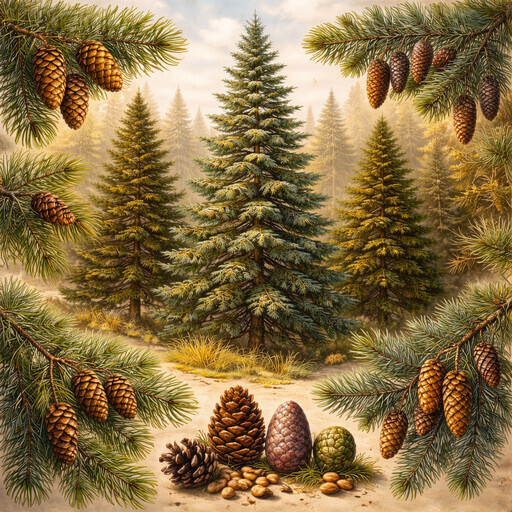
Conifer
Cone-bearing trees and shrubs
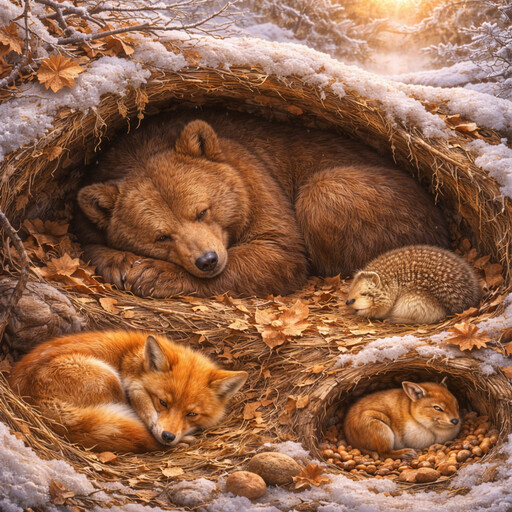
Dormancy
A temporary state of inactivity
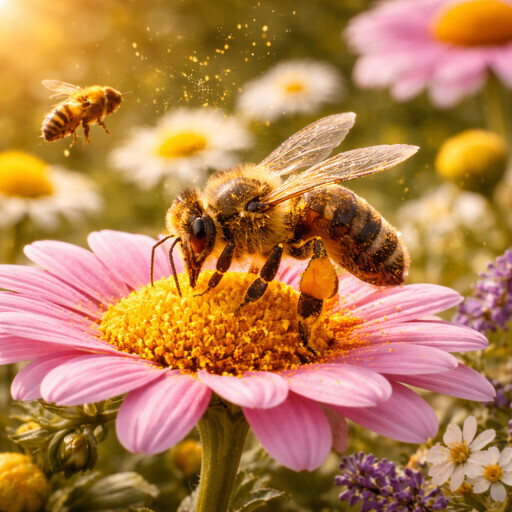
Pollination
Movement of pollen between flowers
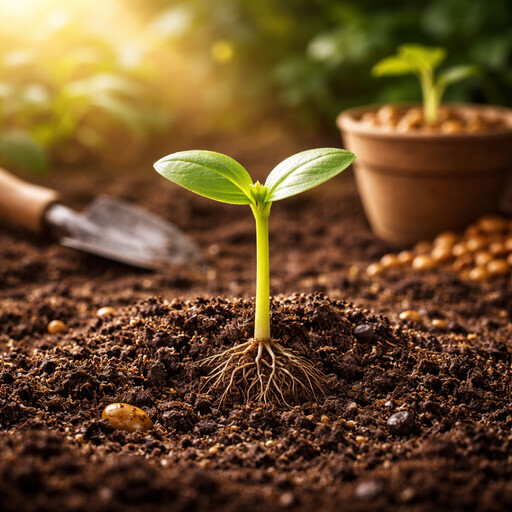
Seedling
Young plant after germination
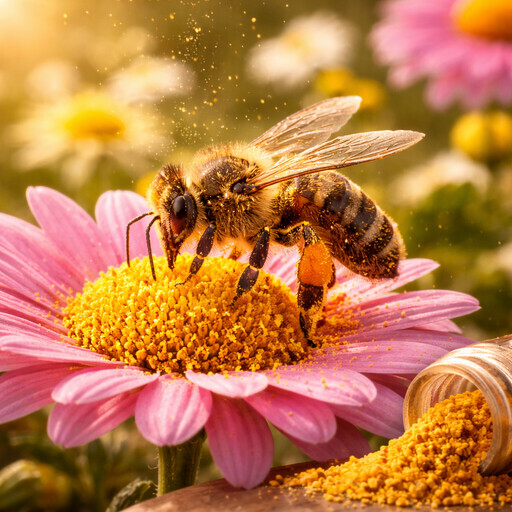
Pollen
Tiny grains used in plant reproduction
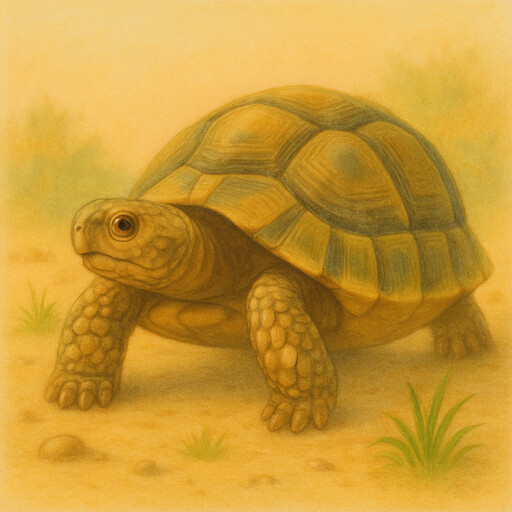
Turtle
Shell-covered travelers of land and sea
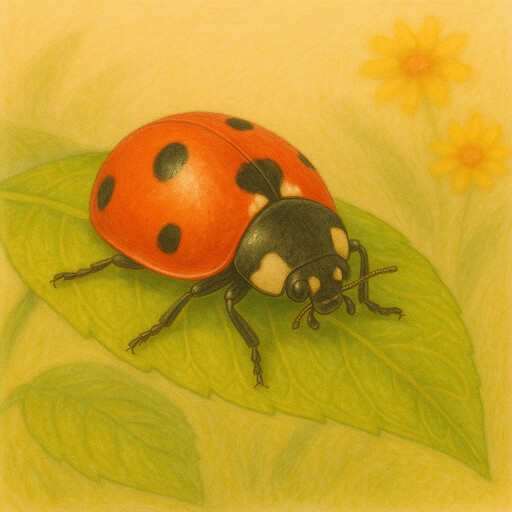
Ladybug
Spotty garden guardians against pests
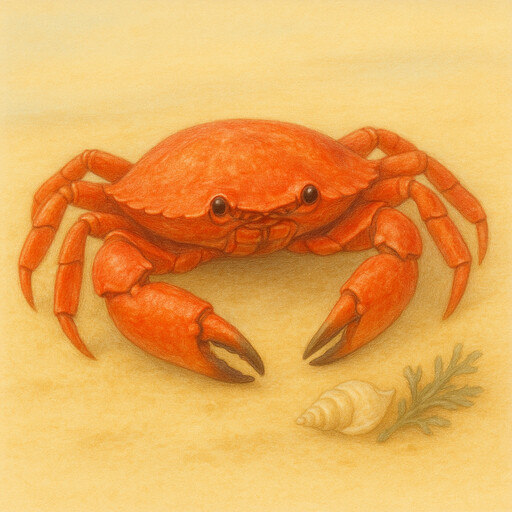
Crab
Sideways walkers that clean the shore
Fish
Underwater swimmers with gills and fins
Jellyfish
Drifting cnidarians with stinging tentacles
Sea turtle
Ancient mariners with protective shells
Amphibian
Double-life animals of water and land