sea turtle refers to seven living species of marine turtles, including green, loggerhead, hawksbill, leatherback, Kemp's ridley, olive ridley, and flatback turtles. Their lightweight shells and powerful flippers allow them to glide through open water, yet they still breathe air and must surface regularly.
Most sea turtles spend decades roaming feeding grounds—seagrass meadows for greens, coral reefs for hawksbills, jellyfish-rich waters for leatherbacks. Females return to the beaches where they hatched, sometimes navigating across entire ocean basins, to dig nests and lay dozens of eggs in the sand at night.
Hatchlings face immediate challenges as they scramble toward the sea, dodging birds, crabs, and human obstacles. In the ocean, juveniles ride currents in floating seaweed until they grow large enough to forage independently. Adult turtles can live 50 years or more, helping maintain healthy seagrass beds and coral reefs by grazing and controlling prey populations.
Sea turtles are threatened by habitat loss, poaching, entanglement in fishing gear, plastic debris, and rising temperatures that skew hatchling sex ratios (warmer sand produces more females). Coastal lights disorient hatchlings, and boat strikes injure turtles near busy channels.
Conservation programs protect nesting beaches, relocate eggs to hatcheries, reduce beachfront lighting, and promote turtle-excluder devices (TEDs) that let turtles escape fishing nets. International treaties regulate trade in turtle products, and volunteers monitor nests, rescue stranded turtles, and educate communities about ways to coexist.
Sea turtle
Level
readlittle.com
Ancient mariners with protective shells
What We Can Learn
- Sea turtles are air-breathing reptiles with flippers and streamlined shells
- They migrate between feeding areas and natal nesting beaches
- Threats include fishing gear, pollution, habitat loss, and warming temperatures
- Beach protection, lighting rules, and turtle-excluder devices support recovery
Related Reads
Eye
Organ used for seeing light
Paul Ehrlich
Pioneer of modern medical science

Sense
Ways humans receive information
Natural selection
How living things change over time
Botany
The study of plants and plant life
Dormancy
A temporary state of inactivity
Germination
How a seed begins to grow
Photosynthesis
How plants make food using light
Nutrient
Substance needed for growth and life
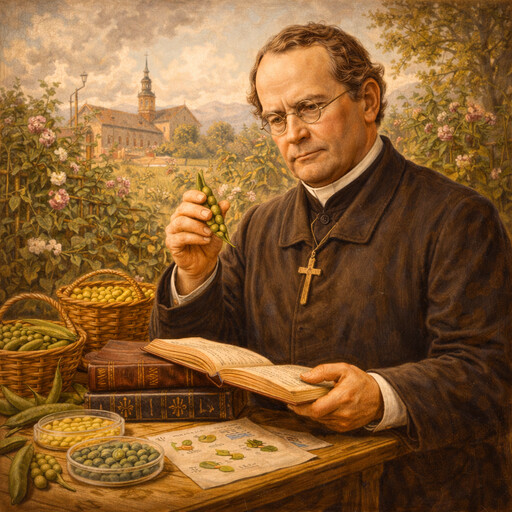
Gregor Mendel
Monk who studied inheritance in plants
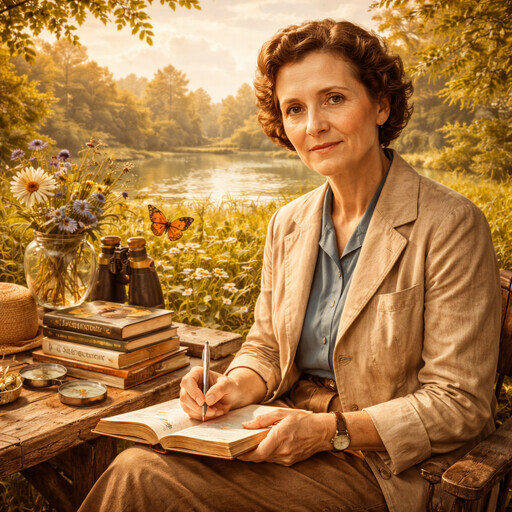
Rachel Carson
Scientist and writer on nature
Plant
Living organism that makes its own food