Pollination is a natural process that happens in many plants, especially flowering plants. It occurs when pollen is moved from the male part of a flower to the female part of the same flower or another flower. Pollen is a fine powder that contains the male cells of a plant. This movement is necessary for plants to make seeds. Without pollination, many plants cannot reproduce.
In a flower, the male part is called the stamen. The stamen produces pollen in a structure called the anther. The female part is called the pistil. The pistil includes the stigma, style, and ovary. The stigma is usually sticky, which helps it catch pollen. When pollen lands on the stigma, pollination has taken place. This step comes before fertilization, which is when male and female cells join.
Pollination can happen in different ways. Wind pollination occurs when pollen is carried through the air. Plants that use wind pollination often produce large amounts of light pollen. Grasses and many trees use this method. Animal pollination happens when animals move pollen between flowers. Common pollinators include bees, butterflies, moths, birds, and bats. As these animals visit flowers to collect nectar or pollen, grains stick to their bodies and are carried to the next flower.
Some plants can pollinate themselves. This is called self-pollination. In this case, pollen from a flower fertilizes the same flower or another flower on the same plant. Other plants require pollen from a different plant of the same species. This is called cross-pollination. Cross-pollination increases variation, which means differences among plants of the same kind. Variation helps plant populations survive in different environments.
After pollination, fertilization may occur. The pollen grain grows a small tube down through the style and into the ovary. Inside the ovary are ovules, which contain female cells. When a male cell from the pollen joins a female cell in an ovule, fertilization happens. The ovule then develops into a seed. In many plants, the ovary grows into a fruit that protects the seeds.
Pollination happens all over the world in forests, fields, gardens, and farms. Many wild and cultivated plants depend on this process. Scientists study pollination to understand plant life cycles and plant populations. Changes in pollinator numbers or environments can affect how pollination happens, which can change how plants grow and spread.
Pollination
Level
readlittle.com
Movement of pollen between flowers
What We Can Learn
- Pollination moves pollen to the female part of a flower.
- Pollen comes from the male part of a flower.
- Pollination can be done by wind or animals.
- Pollination happens before fertilization.
Related Reads
Conifer
Cone-bearing trees and shrubs
Seedling
Young plant after germination
Germination
How a seed begins to grow
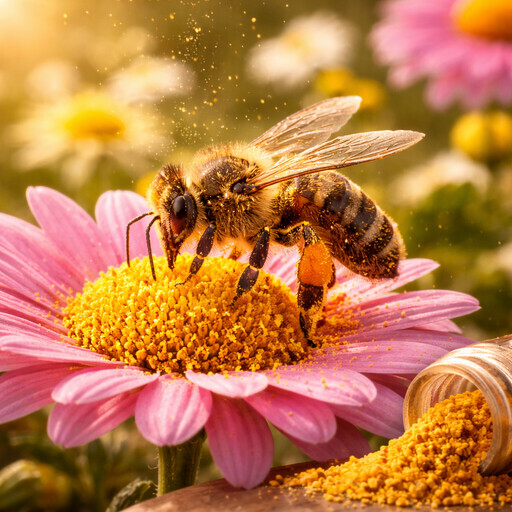
Pollen
Tiny grains used in plant reproduction
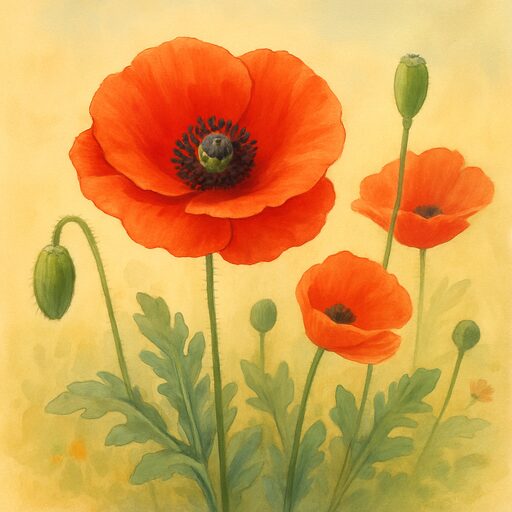
Poppy
A bright flower with colorful petals
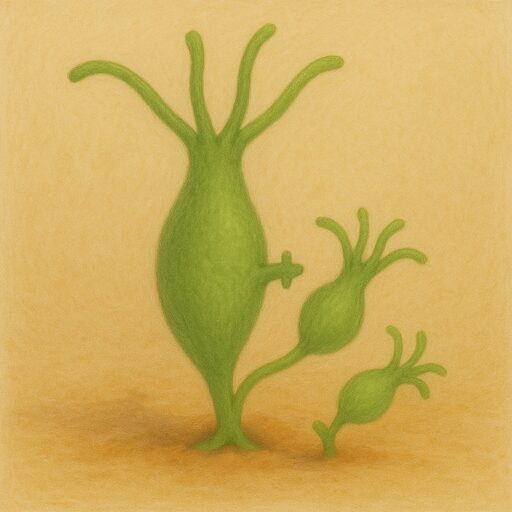
Asexual reproduction
Reproduction from one parent only
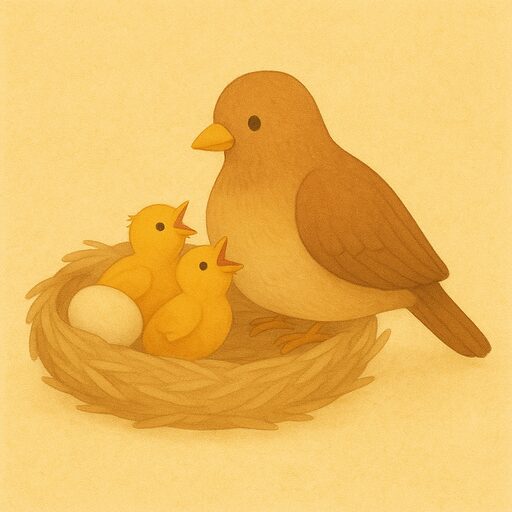
Reproduction
How living things make new individuals