A plant is a living organism that belongs to the plant kingdom. Plants grow in many places, such as forests, fields, deserts, oceans, and lakes. Most plants are green because they contain a substance called chlorophyll. Chlorophyll helps plants make their own food using light from the Sun. This process is called photosynthesis, which means making food using light.
Plants have several main parts. Many plants have roots, stems, and leaves. Roots grow underground or underwater. They hold the plant in place and take in water and minerals from the soil. A stem supports the plant and moves water and food between roots and leaves. Leaves are usually flat and green. They collect sunlight and are the main place where photosynthesis happens.
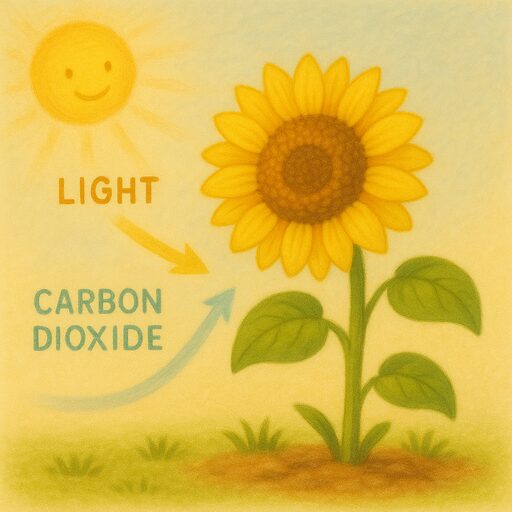
Photosynthesis uses sunlight, water, and a gas called carbon dioxide. Carbon dioxide is found in the air. During photosynthesis, plants use these materials to make sugar, which is their food. At the same time, plants release oxygen into the air. Oxygen is a gas that many living things, including animals and humans, need to breathe.
There are many types of plants. Some plants are very small, such as mosses. Others are very large, such as trees. Plants can be grouped by how they grow and reproduce. Flowering plants produce flowers and seeds. Examples include roses, grasses, and fruit trees. Non-flowering plants do not produce flowers. Examples include ferns and pine trees. Some plants reproduce using seeds, while others use spores.
Plants need certain conditions to grow. These include light, water, air, and suitable temperature. Different plants need different amounts of these things. A cactus can grow in dry places with little water. A water lily grows in ponds and lakes. These differences help plants live in many environments around the world.
Plants are an important part of ecosystems. An ecosystem is a system that includes living things and their environment. Plants often form the base of food chains. Animals may eat plants directly, or eat other animals that eat plants. Plants also help shape the environment by holding soil in place and affecting the air and water around them.
Plant
Level
readlittle.com
Living organism that makes its own food
What We Can Learn
- Plants are living organisms that make their own food.
- Most plants use photosynthesis to make sugar.
- Plants have roots, stems, and leaves.
- There are many different types of plants.
Related Reads
Eye
Organ used for seeing light
Paul Ehrlich
Pioneer of modern medical science
Sense
Ways humans receive information
Natural selection
How living things change over time
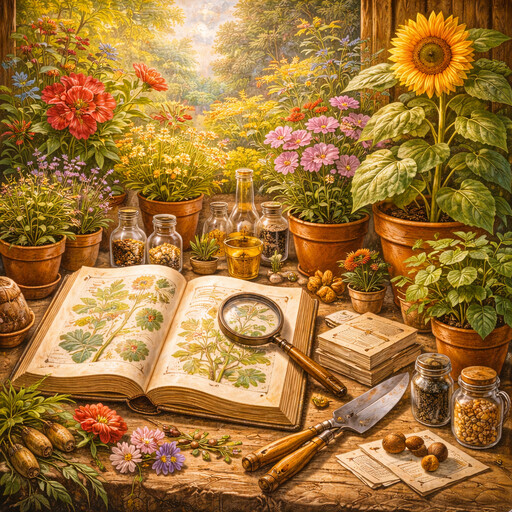
Botany
The study of plants and plant life
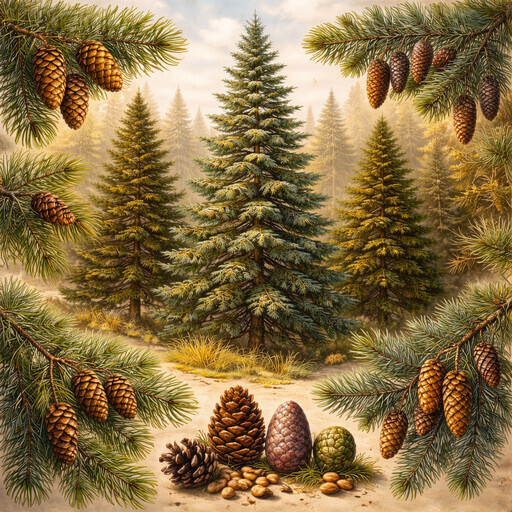
Conifer
Cone-bearing trees and shrubs
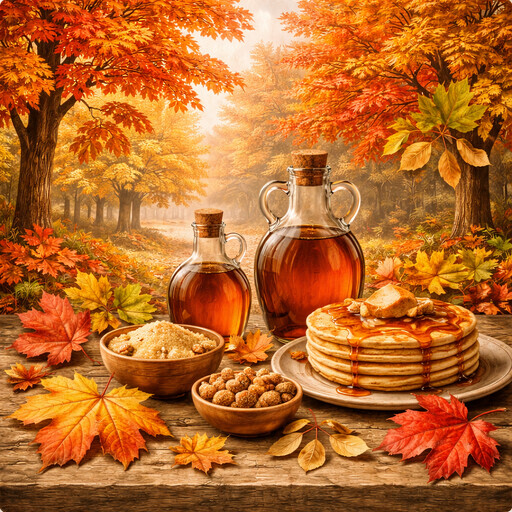
Maple
A tree with leaves and sweet sap
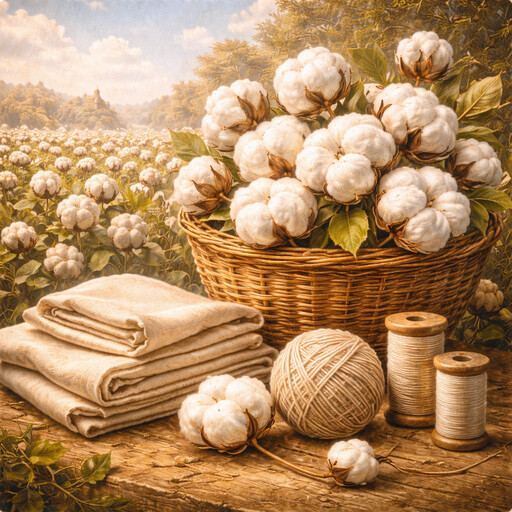
Cotton
A natural fiber from plants
Evergreen
Plants that keep leaves year-round
Dormancy
A temporary state of inactivity
Photosynthesis
How plants make food using light
Nutrient
Substance needed for growth and life