Pollen is a very small grain made by many plants, especially flowering plants. It plays a key role in plant reproduction. Reproduction means the process by which living things produce new individuals. Pollen grains carry special cells that are needed for plants to make seeds. These grains are usually yellow, but they can also be white, brown, or other colors. Because pollen grains are very small, they are often carried by wind, water, or animals.
Pollen is produced in the male parts of a flower. The male part is called the stamen. At the top of the stamen is the anther, which makes and releases pollen. Each pollen grain contains a male cell. This cell must reach the female part of a flower for reproduction to continue. The female part of a flower is called the pistil. It includes the stigma, style, and ovary. The stigma is usually sticky, which helps it catch pollen.
The movement of pollen from the anther to the stigma is called pollination. Pollination can happen in several ways. Some plants release pollen into the air, and the wind carries it to other plants. These plants often produce large amounts of light pollen. Other plants depend on animals such as bees, butterflies, birds, or bats. When these animals visit flowers to collect nectar, pollen sticks to their bodies and is carried to the next flower they visit.
Once pollen reaches the stigma, it begins the next step in reproduction. The pollen grain grows a tiny tube down through the style and into the ovary. The ovary contains ovules, which are structures that can become seeds. When the male cell from the pollen joins with a female cell in an ovule, fertilization happens. Fertilization is the joining of male and female cells. After this, the ovule develops into a seed, and the ovary may develop into a fruit.
Pollen grains have different shapes and surfaces, depending on the plant. Some pollen grains are smooth, while others have spikes or rough surfaces. These shapes help pollen stick to insects or survive travel through the air. Scientists study pollen to learn about plants from the past. Fossil pollen can remain in soil or ice for thousands of years. By examining fossil pollen, scientists can learn what kinds of plants once grew in an area.
Pollen can also affect people. Some people have allergies to pollen. An allergy is a strong reaction of the body’s immune system to something harmless. When pollen enters the nose or eyes, it can cause sneezing, itchy eyes, or a runny nose. This condition is often called hay fever. Different plants release pollen at different times of the year, which is why allergy symptoms can change with the seasons.
Pollen
Level
readlittle.com
Tiny grains used in plant reproduction
What We Can Learn
- Pollen is made by flowering plants.
- It carries male cells for plant reproduction.
- Pollination moves pollen to the female parts of flowers.
- Pollen can be carried by wind or animals.
Related Reads
Conifer
Cone-bearing trees and shrubs
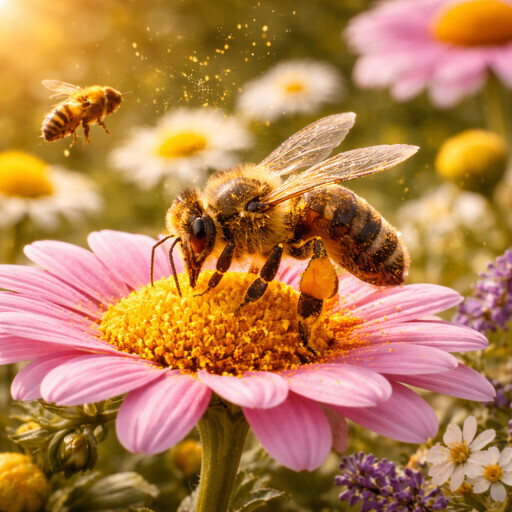
Pollination
Movement of pollen between flowers
Seedling
Young plant after germination
Germination
How a seed begins to grow
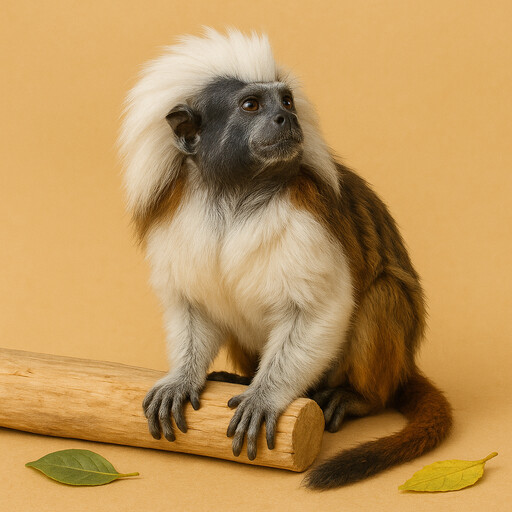
Tamarin
Tiny monkeys with bold mustaches
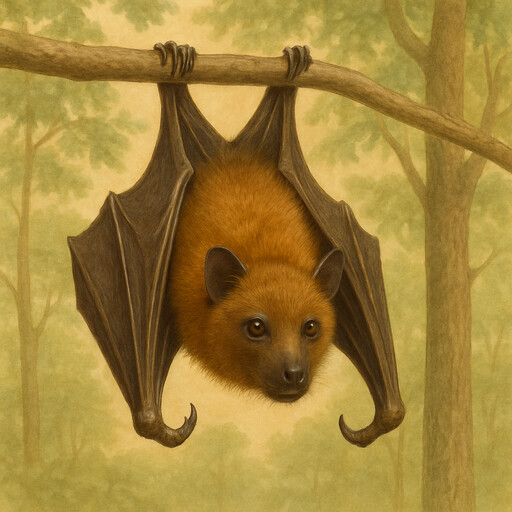
Fruit bat
Nighttime pollinators with keen noses
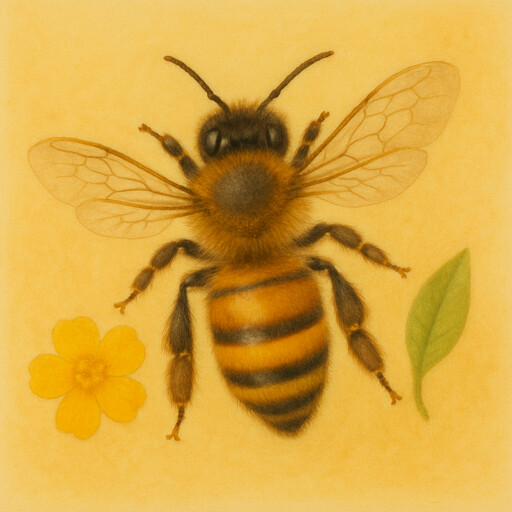
Bee
Buzzing pollinators that power gardens and farms
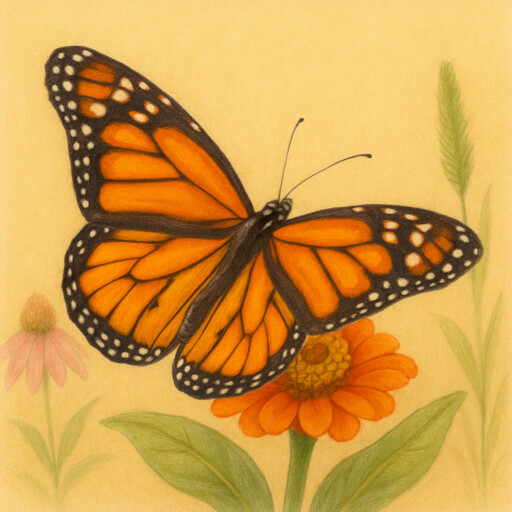
Butterfly
Winged pollinators painted by sunlight
Insect
Six-legged masters of adaptation
Poppy
A bright flower with colorful petals
Biodiversity
The variety of life on Earth
Asexual reproduction
Reproduction from one parent only